Leave a Message : info@aabindustrygroup.com
Phone : +86 13951823978
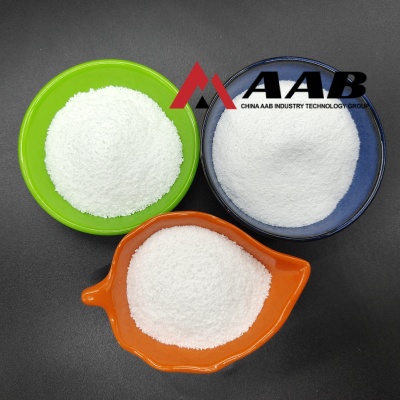
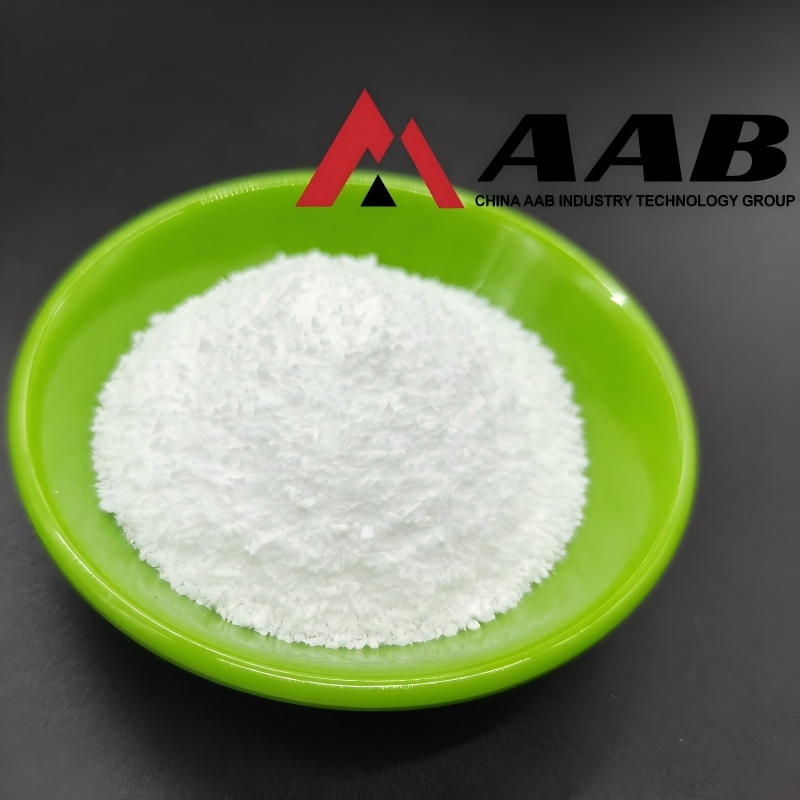
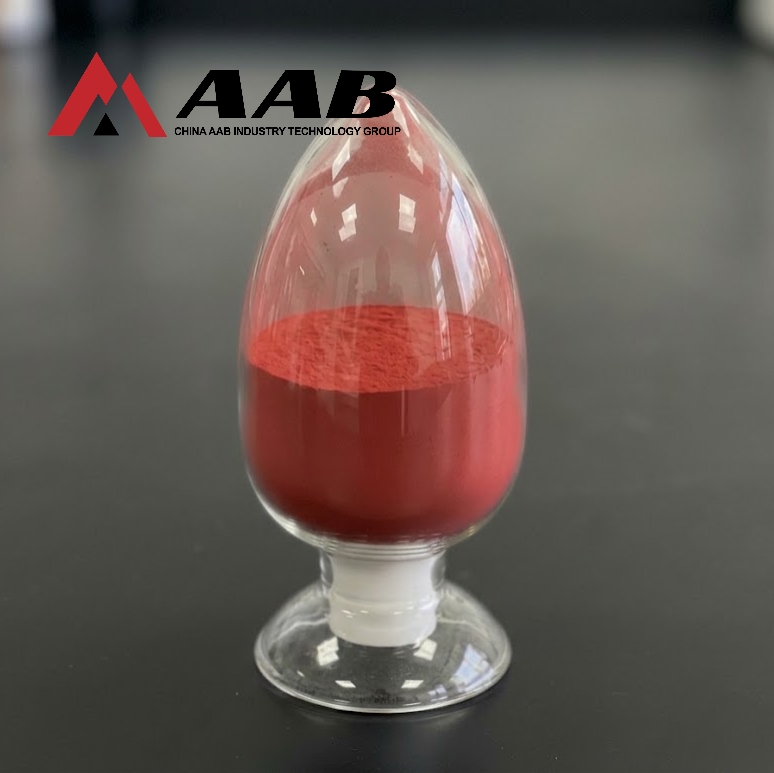
Cellulose Acetate Propionate CAP-482-20 is a white powder made from renewable cellulose. It has similar solubility and compatibility to CAP-482-0.5, but with higher viscosity. When dissolved in appropriate solvents, it forms a clear, colorless solution with great oil resistance and minimal odor. It is used in inks, varnishes, nail lacquers, automotive, industrial electronics, packaging films, lighting, LCD displays, paints, coatings, and textiles.
Our production facility was established in September 2014 with a registered capital of 50 million Chinese Yuan. The site covers an area of 54,500 square meters and holds certifications including ISO 9001, ISO 14001, ISO 45001, and the EU REACH registration certificate. The annual production capacity for our Cellulose Acetate Butyrate (CAB-381 and CAB-551) is 10,000 tons, while the capacity for Cellulose Acetate Propionate(CAP) and Cellulose Acetate (CA) is 6,000 tons.Chemical Name :
Cellulose Acetate PropionateApplication :
Automotive,Building materials,Paints & coatings,Textile coatings,Printing inks,Paper coatings and so on.Product model :
CAP-482-20Viscosity :
76 poise or 20sAppearance :
White PowderCellulose Acetate Propionate CAP-482-20 is a white powder that has a similar solubility and compatibility profile to CAP-482-0.5, with the key difference being its higher viscosity. It is derived from cellulose, a renewable natural resource, and has an approximate bio-content value of 43%, calculated based on the bio-based carbon atoms per anhydroglucose unit.
When dissolved in suitable solvents, CAP-482-20 forms a clear, colorless solution, making it an ideal choice for a variety of applications. It exhibits excellent oil resistance and minimal odor, making it highly suitable for applications where these properties are essential. It can be used alone or in combination with CAP-482-0.5 to achieve the desired performance characteristics.
CAP-482-20 is widely used across many industries, including as a film former in inks, overprint varnishes, and nail lacquer topcoats. It is also commonly utilized in sectors such as automotive (OEM, refinish, and plastics), building materials, industrial electronics, and non-food contact packaging films. Additional applications include lighting, LCD displays, photographic imaging, paints & coatings, and textile coatings, demonstrating its versatility across a broad range of sectors.
Typical Properties
|
Appearance: White powder |
|
|
Propionyl Content: 46% |
Tukon Hardness:23 Knoops |
|
Acetyl Content: 2.5% |
Wt/Vol:1.22 kg/L (10.20 lb/gal) |
|
Hydroxyl Content: 1.8% |
Acidity as Acetic Acid: 0.01wt% |
|
Viscositya: 76 poise |
Ash Content: ≦0.03% |
|
Melting Point:188-210°C |
Glass Transition Temperature (Tg):147°C |
Remark:
aViscosity determined by ASTM Method D 1343. Results converted to poises (ASTM Method D 1343) using the solution density for Formula A as stated in ASTM Method D 817 (20% Cellulose ester, 72% acetone, 8% ethyl alcohol).
Advantages:
Applications:

Package & Storage:
Tags :
Hi! Click one of our members below to chat on