• Why choose Nano Titanium Dioxide for Metallic Paints & Coatings?
    Why choose Nano Titanium Dioxide for Metallic Paints & Coatings? Apr 16, 2026
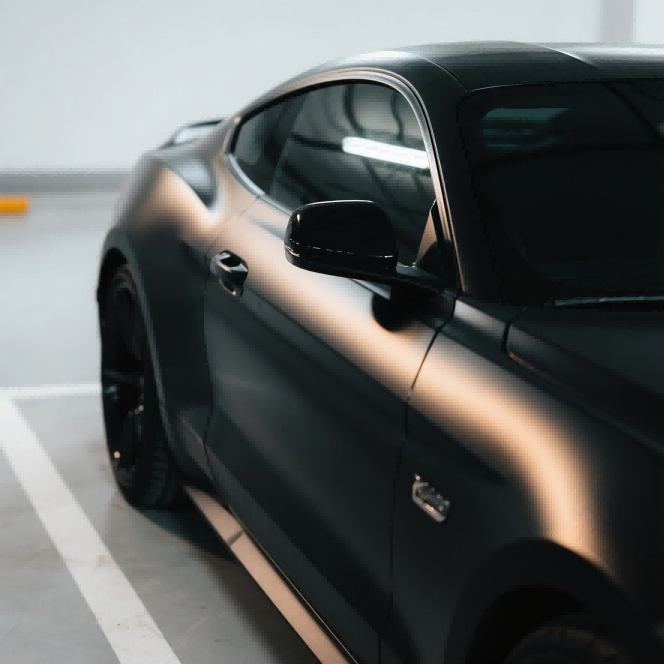
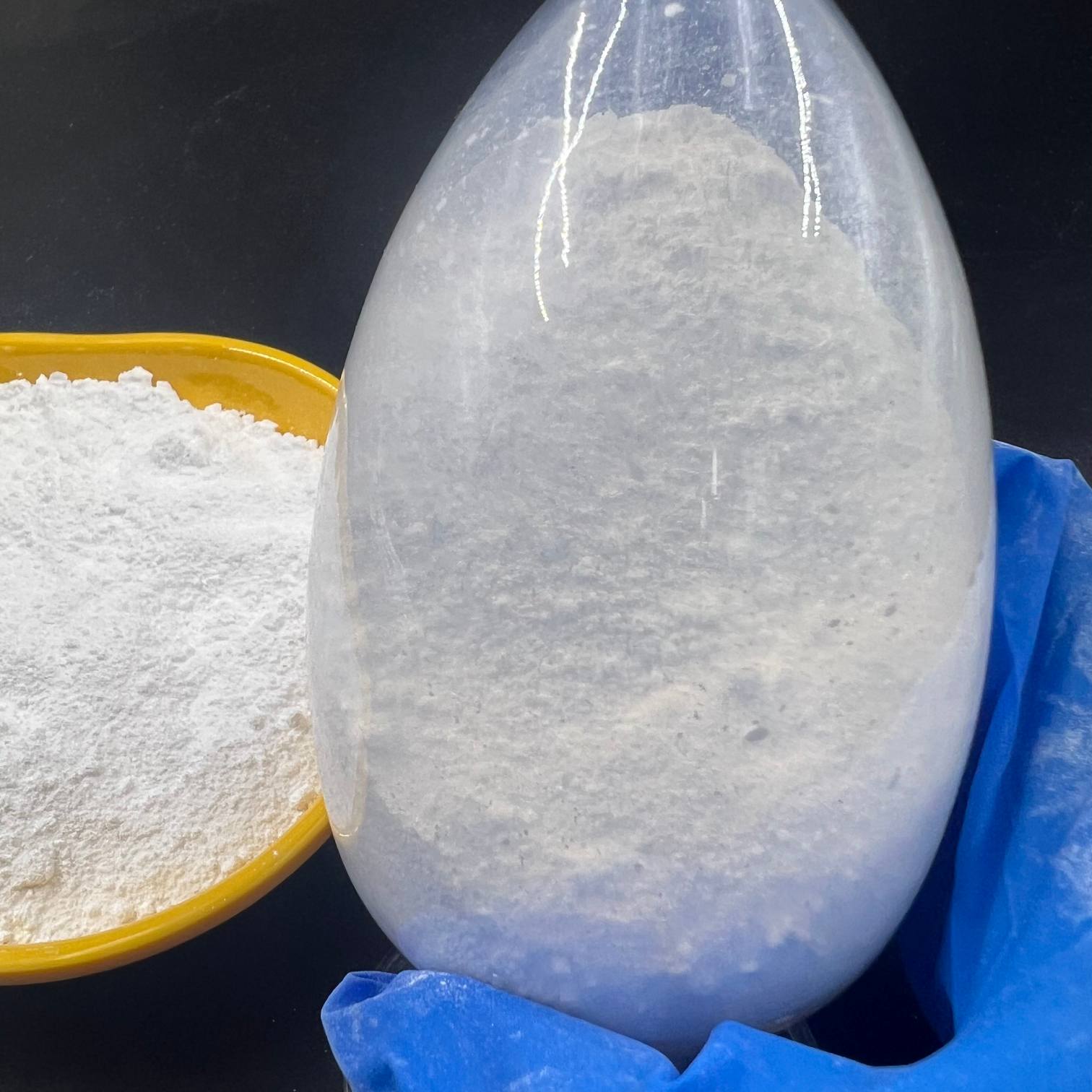
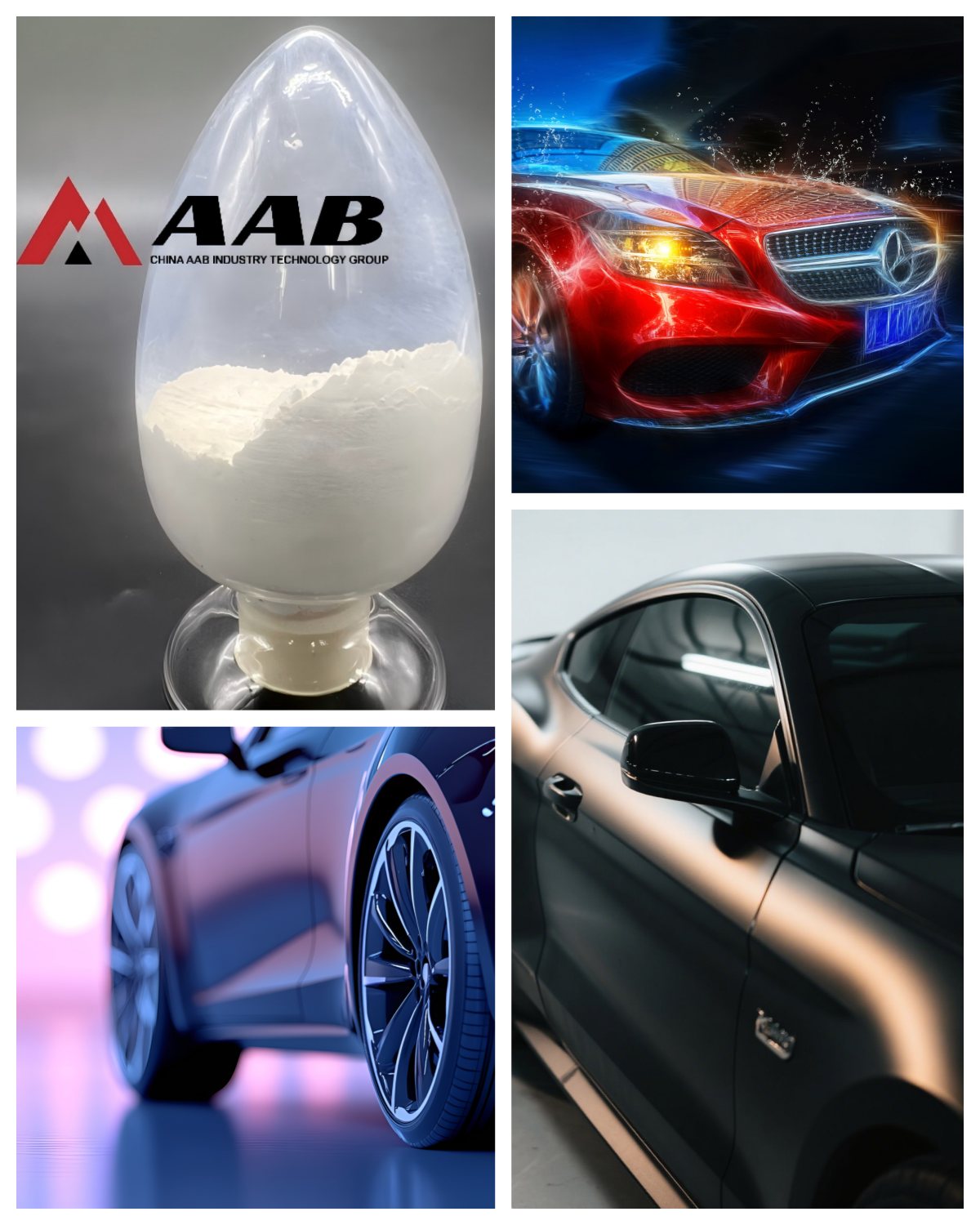
    Nano titanium dioxide (Nano TiO₂) is a form of titanium dioxide with particle sizes ranging from 1 to 100 nanometers. Its ultrafine particles give it unique optical, chemical, and functional properties, enabling applications in areas where conventional TiO₂ cannot meet the requirements. With advances in nanotechnology, surface modification, and composite processing, the applications of nano TiO₂ are continuously expanding—from everyday consumer products to high-end manufacturing and environmental protection. Due to its ultrafine particle size, photocatalytic activity, and high surface area, nano titanium dioxide is transitioning from a traditional pigment to a frontier functional material. Whether in environmental protection, new energy, or high-end manufacturing, nano TiO₂ demonstrates tremendous application potential. As technology matures and costs decrease, nano TiO₂ is expected to play an increasingly important role in industry, daily life, and scientific research.   Key Functions of Nano Titanium Dioxide Nano titanium dioxide (Nano TiO₂), with particle sizes below 100 nanometers, a high specific surface area, and a white loose powder appearance, possesses a wide range of functional applications. Its main functions can be summarized into eight categories: Antibacterial Function: Under ultraviolet light, nano TiO₂ generates reactive radicals that effectively kill bacteria and pathogens. It is widely used in water treatment, air purification, and antibacterial coatings for hospitals, operating rooms, and residential spaces, providing self-cleaning, anti-fouling, and deodorizing effects. UV Protection: Nano TiO₂ can absorb, reflect, and scatter ultraviolet rays while remaining transparent to visible light. It acts as a physical and chemical UV blocker in sunscreens, food packaging, coatings, and plastic fillers, offering stable, non-toxic protection.  Photocatalytic Function: Activated by light, nano TiO₂ decomposes organic pollutants such as formaldehyde and some inorganic substances, purifying air and surfaces, and enabling self-cleaning materials.  Anti-Fog and Self-Cleaning: TiO₂ films exhibit superhydrophilicity, preventing water droplet formation. Rainwater or cleaning can remove contaminants, keeping glass, ceramics, and tiles clean and clear.  New Energy Materials: In lithium-ion batteries and solar cells, nano TiO₂ improves capacity, charge/discharge performance, cycling stability, and photovoltaic conversion efficiency, while reducing costs and extending service life. Textile Sizing Replacement: Nano TiO₂ can replace traditional PVA sizing, enhancing yarn performance, reducing environmental impact, lowering production costs, and simplifying processing. High-End Automotive Coatings: When combined with metallic or pearlescent pigments, nano TiO₂ produces multi-angle color-changing effects, pearl luster, and metallic sheen, enhancing the visual quality of automotive paints. Other Functions: Nano TiO₂ can degrade certain plastics and harmful gases, offering potential in environmental purification and the development of high-performance composite materials.   Thanks to these versatile functions, nano titanium dioxide is transitioning from a traditional pigment to a functional material, with wide applications in protection, environmental sustainability, new energy, textiles, and high-end coatings. Its research and utilization continue to drive technological and industrial advancements. Applications of Kmeris® MT-5008HD Nano Titanium Dioxide in Industrial Coatings Kmeris® MT-5008HD is a high-performance nano titanium dioxide with ultra-fine particle size, large specific surface area, and a white loose powder appearance. It combines photocatalytic activity, UV resistance, and self-cleaning properties, making it ideal for high-end coating applications.   1. Automotive CoatingsIn automotive paints, MT-5008HD can be combined with metallic or pearlescent pigments to achieve multi-angle color-changing effects and pearlescent luster, enhancing the metallic sheen and depth of the car finish. Nano TiO₂ films exhibit strong superhydrophilicity and long-lasting stability under light, making them highly effective for anti-fog applications in automotive use. When applied to car side mirrors or windshields, moisture in the air does not condense into scattered droplets; instead, it forms a uniform water film. This prevents light scattering and maintains clear visibility, significantly enhancing driving safety.   Additionally, the photocatalytic properties of nano TiO₂ can decompose organic contaminants on vehicle surfaces, such as oil, dust, and bacteria. Under sunlight, these pollutants are oxidized into harmless CO₂ and H₂O and can be easily washed away by rain, achieving a self-cleaning effect.   This functionality is not limited to mirrors and windshields; it can also be applied to headlights, windows, and car paint surfaces, reducing cleaning frequency, lowering maintenance costs, and maintaining a bright, clean appearance. The anti-fog and self-cleaning properties of nano TiO₂ make it an ideal material for high-end automotive coatings and functional glass.   2. Metallic CoatingsMT-5008HD can be used in premium metallic paints, where it protects metal surfaces from photochemical oxidation and corrosion by scattering and absorbing UV light. Its ultra-fine particle size ensures smooth and uniform paint films, providing excellent visual effects and coating durability.   3. Architectural Exterior CoatingsIn building exterior paints, MT-5008HD forms UV-resistant, anti-fouling, and self-cleaning coatings. The photocatalytic activity of nano TiO₂ decomposes organic pollutants attached to the surface, which can then be washed away by rain, reducing maintenance costs and maintaining vibrant exterior colors over time.   4. Aircraft Skin PaintsAircraft coatings require exceptional durability and protection. MT-5008HD nano TiO₂ absorbs and scatters UV rays, reducing coating aging, enhancing surface wear resistance, and improving corrosion protection. Its photocatalytic self-cleaning function also helps maintain clean aircraft surfaces, lowering maintenance frequency and extending service life.   We warmly invite you to visit our factory to see our production capabilities firsthand and explore the high-quality applications of our products. For more detailed information about Kmeris® MT-5008HD Nano Titanium Dioxide or to discuss how it can meet your specific needs, please do not hesitate to contact us. We look forward to collaborating with you and helping you unlock the full potential of nano TiO₂ in your applications.
  • Nano Titanium Dioxide vs. Ordinary Titanium Dioxide: Which One Should You Go for?
    Nano Titanium Dioxide vs. Ordinary Titanium Dioxide: Which One Should You Go for? Apr 16, 2026
    Titanium dioxide (TiO₂) is a common white inorganic pigment widely used in coatings, plastics, cosmetics, and food. With the development of nanotechnology, Micro titanium dioxide (TiO₂) has emerged. Although both are chemically TiO₂, they differ significantly in structure, performance, and applications.   1. Particle Size and Structural Differences Conventional Titanium Dioxide: Particle size is usually above 200–300 nanometers, falling in the micron range. The larger particles have a relatively smaller surface area. Nano Titanium Dioxide: Particle size is usually below 100 nanometers, sometimes in the range of 10–50 nanometers. These extremely small particles have a greatly increased surface area, exhibiting pronounced nanoscale effects. This difference in particle size leads to notable variations in optical properties, chemical activity, and dispersibility.   2. Optical Performance Differences Opacity and Whiteness: Conventional TiO₂ provides excellent opacity due to its high refractive index and suitable particle size. Nano TiO₂ has slightly lower opacity because its particles are smaller than the wavelength of visible light, making it suitable for transparent or semi-transparent coatings. Optical Effects: Nano TiO₂ has strong photocatalytic activity under ultraviolet light and can effectively absorb and scatter UV rays, making it ideal for sunscreens and self-cleaning materials.   3. Chemical Activity and Functional Differences Conventional TiO₂: Chemically stable and unlikely to trigger photocatalytic reactions. Nano TiO₂: Due to its large surface area and abundant reactive sites, it readily generates free radicals under light. This makes it useful for self-cleaning coatings, air purification, and degradation of organic pollutants.However, this high activity may pose potential risks to organic materials or biological tissues, which is why surface modification (e.g., coating with silica or alumina) is often applied to reduce such risks. 4. Dispersibility and Processing Performance Conventional TiO₂: Larger particles tend to settle or agglomerate and require mechanical stirring or dispersants to maintain uniformity. Nano TiO₂: Small particle size and high surface energy make it easier to form stable dispersions, but it also tends to agglomerate, requiring surface treatment or dispersants to maintain even distribution.   5. Application Differences Feature Conventional TiO₂ Nano TiO₂ Opacity High Lower, suitable for transparent applications UV Absorption Moderate High, ideal for sunscreens and photocatalysis Photocatalytic Activity Low High, suitable for self-cleaning and environmental purification Cosmetics Mainly opaque coverage Sunscreens, transparent foundations Coatings Interior/exterior paints, plastic fillers Functional coatings, antibacterial coatings, photocatalytic coatings, Self-cleaning coatings   Although nano titanium dioxide and conventional titanium dioxide share the same origin, they have diverged into two distinct technological paths: one as a “pigment” and the other as a “functional material.” Understanding the fundamental differences between the two is the first step toward scientifically selecting materials and precisely developing products. With continuous advances in surface modification and composite technologies, the application prospects of nano titanium dioxide in environmental protection, new energy, and high-end manufacturing are becoming increasingly broad.
  • Carbon Black Dispersing Additive for Coating & ink
    Carbon Black Dispersing Additive for Coating & ink Mar 30, 2026
    High-pigment carbon black and organic pigments are notoriously difficult to disperse—a challenge that is especially common in high-end automotive and industrial coatings. This often leads to increased system viscosity, higher grinding costs, reduced storage stability, and even defects in the dry film such as hue deviation (e.g., reddish carbon black), floating, flooding, and gloss reduction. Our product offers an effective and reliable solution to these issues.   When dealing with high surface area carbon black and structurally complex organic pigments, dispersants often face a dilemma: they must reduce system viscosity while simultaneously maintaining color stability. To meet these demanding requirements, our KBS-6175 dispersing additive  features a unique polyurethane copolymer structure and provides a systematic solution. It is analogous to BYK-163 and EFKA-4063. It goes beyond traditional additive functionality by fundamentally restructuring pigment dispersion behavior through a dual stabilization mechanism combining steric hindrance and electrostatic repulsion.   How Does KBS-6175 to Achieve a Balance Between Viscosity Reduction and Color Stability?  1. Steric Hindrance BarrierLong-chain polymers form a robust three-dimensional protective layer on the pigment surface, acting like a physical scaffold that separates adjacent particles and effectively prevents flocculation and agglomeration caused by Brownian motion.   2. Electrostatic RepulsionUniform surface charges are imparted to pigment particles, creating a secondary “safety lock” through electrostatic repulsion. This ensures system stability even under high solid content or high shear conditions. This “physical + chemical” dual stabilization mechanism effectively resolves the common issue of co-flocculation in multi-component systems, laying a solid foundation for long-term storage stability of coatings. Why Choose Our KBS-6175? 1. Enhances Blackness QualityKBS-6175 is specifically designed for high-pigment carbon black. After dispersion, the black paste exhibits a clean, intense bluish undertone, eliminating the common reddish or yellowish hues found in the industry. This ensures precise color matching and high-end coating appearance.   2. Shortens Grinding Time and Production CycleKBS-6175 effectively reduces slurry viscosity during grinding, improving efficiency and speed. Under the same energy input, it enables higher output. It also supports high pigment loading formulations, shortening production cycles and delivering direct economic benefits.   3. Improves Gloss, Color Saturation, and TransparencyOnly fully dispersed pigments can deliver optimal performance. With KBS-6175, coatings show significant improvements in gloss, color saturation, transparency, and hiding power, resulting in richer and more durable color performance.   4. Broad Application CompatibilityKBS-6175 is highly compatible with two-component polyurethane (2K PU) systems and baking-curing systems. It performs reliably across automotive coatings, industrial anti-corrosion coatings, architectural coatings, and wood coatings, supporting the development of diverse product lines.   Choose our KBS-6175 to effectively solve your coating challenges such as difficult dispersion of high-pigment carbon black, poor stability of organic pigments, and issues like floating and flooding. Feel free to contact us for the TDS and application guidelines.
  • TGIC VS. HAA Powder Coatings! Which Has Better Weather Resistance?
    TGIC VS. HAA Powder Coatings! Which Has Better Weather Resistance? Mar 30, 2026
    Currently, there are only a few systematic studies comparing the coating performance of TGIC and HAA, two types of outdoor curing agents. In this study, the coatings made with different curing agents were tested using methods such as water boiling, high-temperature baking, solvent wiping, and accelerated weathering.   The results showed that when the same polyester resin was cured with TGIC and HAA respectively, the polyester-TGIC coating performed better in water boiling resistance and yellowing resistance under high-temperature baking. In contrast, the polyester-HAA coating showed better resistance to solvent wiping and better weathering performance   As a type of polymer material, the performance of thermosetting powder coating primarily depends on the structure and aggregation state of the resin used. The curing agent plays a key role in determining its aggregation state.   Triglycidyl isocyanurate (TGIC) and hydroxyalkylamide (HAA) are the two mainstream curing agents for outdoor thermosetting powder coatings. Powder coatings cured with TGIC typically achieve excellent light and heat stability, abrasion resistance, and outstanding weathering performance. As a result, TGIC has remained highly favored since its introduction.   However, as people's living standards have risen and environmental awareness has grown, TGIC has faced increasing scrutiny due to its inherent toxicity and the environmental harm caused during its manufacturing process. As early as 1998, Europe and Australia had already banned the use of TGIC.   As the most ideal alternative to TGIC, HAA has developed rapidly in the industry since its successful development. In 2003, it officially replaced TGIC to become the world's largest curing agent for weather-resistant powder coatings. Except for a few properties where it does not perform as well as TGIC-cured powder coatings, the overall performance of powder coatings cured with HAA is comparable to that of TGIC-cured systems.   This study focuses on the aging performance of outdoor powder coatings. Powder coatings were prepared using TGIC and HAA respectively, and the advantages and disadvantages of each in terms of aging performance were compared and investigated.     1. Experimental Section 1.1 Experimental Raw Materials Super weather-resistant polyester resin (hereinafter referred to as polyester); curing agent TGIC; curing agent HAA; titanium dioxide; barium sulfate; leveling agent; benzoin; gloss enhancer.     1.2 Powder Coating Preparation   Table 1 Formulation of Powder Coatings Raw Material TGIC-type Coating Formulation /g HAA-type Coating Formulation /g Polyester Resin 279 285 TGIC/HAA 21 15 Titanium Dioxide (TiO₂) 102 102 Barium Sulfate (BaSO₄) 90 90 Leveling Agent 4 4 Benzoin 2 2 Brightener — 2.2   Powder coatings were prepared according to the basic formulation shown in Table 1. The process steps were as follows: batching → premixing → extrusion → tableting → grinding → sieving → finished product. The prepared powder coatings were applied by electrostatic spraying and then cured at 200°C for 10 minutes to obtain the powder coatings.   1.3 Experimental Testing and Conditions 1.3.1 Isothermal Curing Test Isothermal curing tests of the powder coatings were conducted using differential scanning calorimetry (DSC). The test conditions were as follows: N₂ as protective gas at a flow rate of 50 mL/min; heating rate of 300 K/min, rapidly heating to 200°C and holding for 20 min.   1.3.2 Water Boiling Test Water boiling tests were carried out using a sterilizing pressure cooker with deionized water at 120°C. After the water boiling test, the coating surface was wiped dry, and the color difference and gloss were measured.   1.3.3 Water Absorption Rate Test The water absorption rate of the coating was calculated based on the mass difference before and after water absorption. The mass of the coating after vacuum drying was recorded as m₁, and the mass after immersion in water or boiling, with the surface wiped dry with paper, was recorded as m₂. The water absorption rate ω = [(m₂ − m₁)/m₁] × 100%.   1.3.4 Baking Test Baking tests were conducted using a forced-air oven, with a baking time of 2 hours. After baking, the color difference and gloss of the coating were measured.   1.3.5 Solvent Wiping Test The powder coating was sprayed onto an aluminum substrate and cured at 200°C for 10 minutes. A methyl ethyl ketone (MEK) instrument wiping test was performed, with a load of 1000 g on the test panel and a wiping frequency of 50 times per minute. The number of wipes required to expose the substrate was recorded. Each coating thickness was wiped three times, and the average of the three results was taken.   1.3.6 Accelerated Artificial Weathering Test Accelerated artificial weathering tests were conducted using a QUV-313 tester. The test conditions were as follows: irradiance of 0.71 W/m², 4 hours of light exposure at 60°C, followed by 4 hours of condensation at 50°C. After the test, the color difference and gloss of the coating surface were measured.   1.3.7 Coating Thickness Test The coating thickness test was carried out in accordance with GB/T 4957.   1.3.8 Coating Gloss Test The coating gloss test was carried out in accordance with GB/T 9754, measured at a 60° incident angle.   1.3.9 Coating Color Difference Test The coating color difference test was carried out in accordance with GB/T 11186.2 and GB/T 11186.3.     2. Results and Discussion 2.1 Isothermal Curing Test Figure 1 shows the isothermal curing process curves of polyester-TGIC and polyester-HAA at 200°C.   Figure 1 shows the isothermal curing process curves of polyester-TGIC and polyester-HAA at 200°C. The experimental results show that the time to reach the maximum reaction rate for polyester-TGIC during isothermal curing was 21 seconds, while for polyester-HAA it was 15 seconds. This indicates that the reaction between polyester and TGIC is faster. Meanwhile, as can be seen from the curing reaction degree curve (Figure 2), at 600 seconds, the reaction degree of polyester with TGIC reached 98.82%, while that of polyester with HAA reached 94.60%. At 200°C, within the same period, the reaction between polyester and TGIC was faster and achieved a higher reaction degree compared to that between polyester and HAA. This may be due to the presence of a curing accelerator in the polyester that promotes the reaction with TGIC, while this accelerator shows no significant accelerating effect on the reaction between polyester and HAA. Overall, under the curing condition of 200°C for 10 minutes, the difference in reaction degree between polyester-TGIC and polyester-HAA is relatively small, which has little effect on the overall performance differences of the coatings.   2.2 Water Resistance Test   Figure 3 shows the changes in color difference and gloss retention of polyester-TGIC coating and polyester-HAA coating under different water boiling times.   As can be seen from Figure 3, with increasing water boiling time, the color difference of the coatings increased while the gloss retention decreased. It can also be observed that the changes in color difference and gloss retention of the polyester-HAA coating were greater than those of the polyester-TGIC coating. In particular, the gloss retention of the polyester-HAA coating showed a sharp decline.   As water boiling time extended, the surface of the polyester-HAA coating exhibited severe loss of gloss and even chalking. This phenomenon may be attributed to the larger free volume of the polyester-HAA coating at 120°C, making it easier for water to penetrate into the coating and react with it during the water boiling process.   In addition, to compare the affinity between the coatings and water, the water absorption rates of the coatings were investigated under different conditions.   Table 2 shows the water absorption rates of the coatings at room temperature and after water boiling at 120°C for 2 hours. It can be seen that at room temperature, the water absorption rate of the polyester-TGIC coating was slightly higher than that of the polyester-HAA coating. Table 2 Water absorption of coatingunder different conditions Coating Polyester-TGIC Polyester-HAA Water absorption (room temperature (~30℃)) 1.53% 0.86% Water absorption(120℃/2h) 9.54% 31.2%  After water boiling at 120°C for 2 hours, the water absorption rates of both coatings changed significantly compared to those at room temperature. After water boiling, the water absorption rate of the polyester-HAA coating increased sharply and was much higher than that of the polyester-TGIC coating.   The factors causing the changes in water absorption under different conditions may be due to the fact that at room temperature, the coating structure remains dense, making it difficult for water to adsorb and penetrate into the coating, resulting in relatively low water absorption rates for both coatings. However, under water boiling conditions at 120°C, the coating structure undergoes significant changes, allowing a large amount of water to enter the coating interior, leading to a sharp increase in water absorption.   For polymers, below the glass transition temperature, the internal structure exhibits rigid "voids"; above the glass transition temperature, the internal structure exhibits flexible "free volume."   The difference in water absorption between the polyester-TGIC coating and the polyester-HAA coating at 120°C may be due to the greater flexibility of the polyester-HAA coating compared to the polyester-TGIC coating. The polyester-HAA coating has a larger free volume at 120°C, allowing it to accommodate more water.     2.3 Heat Resistance Test     Figure 4 shows the changes in color difference and gloss retention of the polyester-TGIC coating and polyester-HAA coating after baking at different temperatures.   It can be observed that as the baking temperature increased, the color difference of both coatings increased, and the color difference change of the polyester-HAA coating was significantly greater than that of the polyester-TGIC coating.   This is mainly due to the presence of nitrogen elements in HAA itself and during its production process, which are prone to discoloration, as well as nitrogen-containing impurities remaining from the HAA manufacturing process. Under high-temperature conditions, a series of reactions occur, generating chromophoric groups that cause yellowing.   During the baking process, the gloss retention of the polyester-TGIC coating remained unchanged initially, then showed a sharp decline at 250°C. This was mainly due to secondary melting of the coating at 250°C, resulting in severe orange peel on the coating surface. In contrast, the gloss retention of the polyester-HAA coating remained unchanged or slightly increased under the same test conditions, mainly due to re-leveling of additives on the coating surface.   Comparing the experiments of polyester-TGIC and polyester-HAA coatings at different temperatures, it can be seen that the yellowing resistance of polyester-TGIC is far superior to that of polyester-HAA. However, at 250°C, the polyester-TGIC coating undergoes secondary melting, which severely compromises its normal use. Therefore, excessively high temperatures should also be avoided when using polyester-TGIC.     2.4 Solvent Resistance Test   Table 3 Solvent rubs for coating with different thickness Coating Polyester-TGIC Polyester-HAA Thickness (~45 μm) 17 28 Thickness (~55 μm) 33 38 Thickness (~65 μm) 40 41     2.5 Accelerated Artificial Weathering Test     Figure 5 shows the test results of polyester-TGIC and polyester-HAA coatings under different aging times. It can be seen that as the aging time increases, the color difference of the polyester-TGIC coating gradually increases while the gloss retention gradually decreases. Similarly, the color difference of the polyester-HAA coating also gradually increases and the gloss retention gradually decreases.   It can also be observed that at the same aging time, the changes in color difference and gloss retention of the polyester-HAA coating are smaller than those of the polyester-TGIC coating. This indicates that the weathering resistance of the polyester-HAA coating is superior to that of the polyester-TGIC coating.   Conclusion (1) When using TGIC and HAA to cure the same polyester resin respectively, the reaction between polyester and TGIC is faster than that between polyester and HAA. (2) The polyester-TGIC coating exhibits better water boiling resistance and yellowing resistance under high-temperature baking compared to the polyester-HAA coating. (3) The polyester-HAA coating exhibits better solvent wiping resistance and weathering resistance compared to the polyester-TGIC coating.
  • How Antifouling Coatings Address the Challenge of Marine Biofouling
    How Antifouling Coatings Address the Challenge of Marine Biofouling Mar 30, 2026
    The ocean is a world of extraordinary biodiversity, nurturing over 8,000 species of plants and 59,000 species of animals. Among them, approximately 600 species of fouling plants and 18,000 species of fouling animals will take the hull of a ship as their attachment target. These fouling organisms each have their own characteristics: barnacles possess hard calcareous shells with extremely strong adhesion, capable of firmly attaching even at a ship speed of 10 knots; oysters and mussels are mollusks that grow rapidly, and the organic acids they secrete can corrode the steel plate; sea squirts and bryozoans are colonial organisms that tend to form thick fouling layers on the hull; algae such as green algae and brown algae rely on photosynthesis for growth and are mainly distributed near the waterline; in addition, bacterial slime, secreted by bacteria and diatoms, represents the initial stage of the fouling process, creating conditions for the subsequent attachment of larger organisms.   The impact of these fouling organisms is far greater than one might imagine: with just 5% hull fouling, fuel consumption increases by 10%. When fouling reaches 50%, fuel consumption surges by over 40%. On a global scale, if the world's fleet had an average fouling level of 50%, an additional 7.06 billion tons of fuel would be burned each year, resulting in 210 million tons of excess carbon dioxide emissions. When a ship's hull becomes heavily encrusted with barnacles, oysters, and algae, it is like donning a suit of heavy armor—not only does sailing speed drop and fuel consumption soar, but even more troubling, the secretions from these organisms quietly corrode the steel, shortening the vessel's service life.   In the face of challenges posed by these "uninvited guests"—reduced speed, increased fuel consumption, and hull corrosion—humanity has never ceased its search for solutions. Today, we dive into the world of antifouling coatings on the hull, focusing on this unassuming layer of paint, to see how it has become a critical defense line in the struggle against marine organisms.   What is Antifouling Coating? Antifouling coating is a specialized coating applied over the anti-corrosion primer on the hull. It works by continuously releasing antifouling agents, forming a thin layer containing active ingredients at the interface between the seawater and the coating, killing or repelling the larvae and spores of marine organisms that attempt to attach. Maintaining the effectiveness of antifouling coatings throughout a ship's docking cycle of approximately five years presents a significant technical challenge.   1. Characteristics of Antifouling Coatings Antifouling effectiveness: Prevents marine organism attachment within a specified period Antifouling agent leaching: Continuous and stable release into seawater Water permeability: The coating film must have a certain degree of water permeability to maintain antifouling agent leaching Interlayer adhesion: Good bonding with the anti-corrosion primer, with mutual solubility between coating layers Resistance to seawater impact: No blistering or peeling during prolonged immersion Self-polishing property (modern types): Gradual dissolution of the coating film during navigation, resulting in an increasingly smooth surface   2. Composition of Antifouling Coatings Antifouling Agents: The core component, which must be slightly soluble in seawater and capable of killing or repelling marine organisms Traditional: Cuprous oxide, organotin (TBT), mercury oxide (banned), DDT (phased out) Modern: Copper pyrithione, zinc pyrithione, zineb, isothiazolone, etc. (low toxicity, environmentally friendly) Binders/Resins: Control the leaching rate of antifouling agents Soluble binders: Rosin (traditional), organotin copolymers (banned), acrylic copolymers (modern tin-free types) Insoluble binders: Asphalt, chlorinated rubber, acrylic resins, etc. Pigments: Improve mechanical properties and regulate leaching rate; commonly used are zinc oxide, iron oxide red, talc Solvents and Additives: Thixotropic agents, anti-settling agents, stabilizers, etc.   3. Antifouling Mechanism: How to Drive Away Uninvited Guests? The working mechanism of antifouling coating is as follows: when the coating film comes into contact with seawater, the antifouling agents (such as copper ions) gradually dissolve into the seawater, forming a thin active layer approximately ten to twenty microns thick on the coating surface, thereby repelling or killing the larvae and spores of marine organisms that attempt to attach.   The release rate of antifouling agents is measured by "leaching rate." Different antifouling agents require different leaching rates to remain effective: for copper ions, approximately 10 μg/(cm²·d); for organotin, only 1 to 2 μg/(cm²·d).   Control of the leaching rate is crucial—if the rate falls below the critical value, the antifouling effectiveness is lost; if it exceeds the critical value, it wastes the antifouling agents and shortens the coating's service life. Therefore, a high-performance antifouling coating must maintain a stable leaching rate slightly above the critical value throughout its service period, which can last several years.   Types of Antifouling Coatings: Five Generations from Traditional to Future In response to the challenge of marine fouling, antifouling coatings have undergone multiple technological iterations over the past several decades. From early traditional antifouling coatings, to the revolutionary organotin self-polishing coatings, to today's mainstream tin-free self-polishing systems, and even to future-oriented low-surface-energy non-toxic coatings—each technological breakthrough represents a pursuit of a better balance among antifouling effectiveness, service life, and environmental safety. This path of technological evolution also reflects humanity's deepening understanding of marine environmental protection.   First Generation: Conventional Types (Soluble / Contact / Diffusion Types) Antifouling Agents Soluble Type Antifouling Agents:Uses rosin as a soluble binder, with the entire paint film gradually dissolving in seawater, allowing antifouling agents to be continuously released.Disadvantages: High initial leaching rate, rapid decline in performance at later stages, and a service life of 1–3 years.   Contact Type Antifouling Agents:Uses an insoluble resin as the binder, with a very high content of antifouling agents (volume ≥ 52.4%). The particles are densely packed; as the surface layer dissolves, the inner agents are released through the voids.Service life: Can exceed 2 years.   Diffusion Type Antifouling Agents:Uses organotin compounds as antifouling agents (now phased out). Seawater penetrates the coating, causing it to swell, and the antifouling agents diffuse outward from the interior of the film.   Second Generation: Organotin Copolymer Self-Polishing (TBT-SPC) Antifouling Agents Developed in the 1970s, this was a groundbreaking innovation in antifouling technology. The organotin copolymer serves both as the antifouling agent and the binder. In seawater, it undergoes hydrolysis, enabling a steady release of organotin while the paint film gradually dissolves. As a result, the surface becomes increasingly smooth—this is known as the “self-polishing” effect.   Advantages: Stable leaching rate of antifouling agents, with a service life of up to 5 years Self-smoothing film reduces drag and saves fuel Resistant to alternating wet and dry conditions, suitable for use at the waterline Easy maintenance, allowing direct overcoating   Fatal Drawback:Organotin compounds are highly toxic to non-target marine organisms. They have been shown to cause imposex in gastropods and deformities in oysters, and can enter the human body through the food chain. In 2001, the International Maritime Organization (IMO) adopted the International Convention on the Control of Harmful Anti-Fouling Systems on Ships (AFS Convention), which led to a global ban on organotin-based antifouling paints. A complete prohibition came into effect on January 1, 2008.   Third Generation: Tin-Free Self-Polishing Antifouling Coatings (Mainstream Today) Developed as a replacement for TBT-based systems, these coatings mainly fall into three categories:   1. Hydration Type (CDP) Antifouling CoatingsUses rosin as a soluble binder, with hydrophobic resins controlling the release rate. The mechanism is as follows: rosin reacts with seawater to release biocides, while the surface hydrophobic resin forms a honeycomb-like structure. Under the scouring action of seawater, these structures break off, achieving “mechanical polishing.”Service life: Approximately 36 monthsFeatures: Lower cost, but forms a relatively thick leached (saponified) layer (~75 μm), requiring high-pressure freshwater washing during maintenance.   2. Hydrolysis Type (SPC) Antifouling CoatingsUses copper acrylate, zinc acrylate, or silyl acrylate copolymers as binders. These undergo hydrolysis or ion exchange in seawater, enabling a controlled and steady release of antifouling agents—achieving true “chemical polishing.”Features: Thin leached layer (~25 μm), excellent self-smoothing properties, and a service life of up to 60 months. Suitable for high-speed vessels (>20 knots). Zinc Acrylate Type Antifouling Coatings:Polymer–COO–Zn–X + Na⁺ → Polymer–COO⁻Na⁺ + Zn²⁺ + X⁻ Silyl Acrylate Type Antifouling Coatings:Polymer–COO–SiR₃ + Na⁺ + Cl⁻ → Polymer–COO⁻Na⁺ + R₃SiCl   3. Hybrid Type Antifouling CoatingsCombines CDP and SPC technologies, with a high solids content (~60%). The leached layer is about 45 μm thick, offering a service life of 36–60 months at a moderate cost.   Fourth Generation: Low Surface Energy (Non-Toxic) Antifouling Coatings This represents the most ideal antifouling approach: no release of any antifouling agents. By creating an ultra-low surface energy, the coating makes it difficult for marine organisms to attach, or prevents them from adhering firmly. Any attached organisms can be easily removed by water flow during vessel operation.   Mainstream Materials: Silicone resins (polydimethylsiloxane, PDMS) Fluorocarbon resins   Advantages: Completely non-toxic and environmentally friendly Antifouling service life of 5–10 years Lower dry-docking and maintenance costs   Limitations: Best suited for vessels operating at relatively high speeds (15–30 knots) High cost Complex application process Relatively poor adhesion   Latest Developments:Fluorinated polysiloxanes (such as PNFHMS and PTFPMS), which combine the low surface energy of fluorocarbons with the high elasticity of silicone materials.   Latest Standard for Ship Bottom Antifouling Coatings: GB/T 6822—2024 In 2006, China merged and revised GB/T 13351—1992 General Technical Conditions for Ship Bottom Anti-Rust Paints and GB/T 6822—1986 General Technical Conditions for Ship Bottom Antifouling Paints into GB/T 6822—2008 Antifouling and Anti-Corrosion Coating Systems for Ship Hulls. The newly updated standard, GB/T 6822—2024, specifies the following requirements for antifouling coatings: Compatibility with Anti-Corrosion Coatings:Includes shallow sea immersion tests, dynamic simulation tests, and cathodic protection compatibility tests. Antifouling Performance:Evaluated through shallow sea immersion testing. Toxicity Requirements:Must not contain asbestos or prohibited chemical substances. Application Properties:Suitable for high-pressure airless spraying, air spraying, roller coating, and brush application. Storage Stability: After 1 year of natural storage or 30 days of accelerated storage, the coating must be able to be uniformly mixed within 5 minutes.   Future Development Trends: Environmentally Friendly, Long-Lasting, and Low Surface Energy Advancement of Tin-Free Self-Polishing Coatings:Further optimization of copper/zinc/silyl acrylate copolymers to improve polishing stability and extend antifouling service life. Copper-Free Antifouling Coatings:Reduce the use of cuprous oxide and develop low-copper or copper-free systems based primarily on organic antifouling agents. Upgrading Low Surface Energy Coatings:Overcome the application challenges and poor adhesion of silicone-based coatings to expand their range of use. Biobased Antifouling Agents:Extract natural antifouling substances from marine plants and animals, such as capsaicin and eucalyptus extracts. Fiber Flocking Antifouling:Utilize micro-fiber structures to make it difficult for fouling organisms to attach. Smart Monitoring Coatings: Integrate sensors into coatings to provide real-time feedback on antifouling agent release status.   The development of marine antifouling coatings still faces multiple challenges. On one hand, a balance must be struck between antifouling effectiveness and ecological safety; on the other hand, it must adapt to variations in different marine environments, sailing speed conditions, and service cycles. From the rise and fall of organotin, to the emergence of tin-free self-polishing coatings, and the ongoing exploration of low-surface-energy coatings—each advancement represents a pursuit of more environmentally friendly and longer-lasting solutions. Therefore, future development directions will place greater emphasis on green environmental protection, high efficiency and longevity, as well as multifunctional integration—such as integrated coating systems that combine anti-corrosion, antifouling, and drag reduction properties.   Facing these multiple challenges in marine antifouling coatings—balancing ecological safety, environmental adaptability, and long-term performance—future technological breakthroughs rely on continuous innovation in core materials. China AAB Group stands at the forefront of the industry, offering a range of high-performance antifouling raw materials and solutions:   From Copper Acrylate Self-polishing Resin and Silyl Acrylate Self-polishing Resin (SPSi-A100), to high-efficiency antifouling agents such as Zinc Pyrithione (ZPT) , Copper Pyrithione Powder 98% (CPT-98) , and Copper Pyrithione Paste/Dispersion (CPT) , as well as the broad-spectrum fungicide DCOIT 98% —we are committed to providing stable quality and professional technical support, helping coating manufacturers develop high-performance antifouling coatings that combine environmental friendliness, long-lasting effectiveness, and multifunctional integration. Whether you are focused on optimizing traditional systems or pioneering next-generation green antifouling technologies, China AAB Group is your trusted partner. Please contact us to learn more about our popular products and join us in advancing marine antifouling coatings toward a greener, more efficient, and smarter future.

  • What Is the Latest Price of Raw Material for Powder Coatings?
    What Is the Latest Price of Raw Material for Powder Coatings? Mar 23, 2026
    At the start of this year, bulk chemical materials have seen a broad-based surge in prices.   What’s driving this round of increases? The root cause is the international situation. Geopolitical tensions in the Middle East have directly pushed up both crude oil and shipping costs.   Against this backdrop, price hikes have spread across a wide range of chemical products. Polyester resin, acrylic emulsions and monomers, epoxy resin, leveling agents, dispersants, and others have seen increases ranging from 3% to 12%. The most striking case is epoxy resin, which has surged by more than 30% in just one month.     Among the more specialized materials, the TGIC curing agent has jumped from 31,000 yuan per ton to 36,000 yuan per ton—a sharp rise of 5,000 yuan per ton, or 16%. Orders are already booked through mid-April, and manufacturers are restricting new sales, accepting only repeat orders from existing customers.   As for the HAA curing agent, new orders have been completely suspended. Manufacturers have stated that due to “a sharp surge in the price of raw material adipic acid, combined with production capacity constraints, no new orders will be accepted in the short term.” The current price stands at 15–17.5 yuan per kilogram.   Titanium dioxide (rutile type) has also seen notable increases. Before the Chinese New Year, the mainstream ex-factory price was between 11,800 and 12,500 yuan per ton. It has now risen to 12,800–13,600 yuan per ton, while the chloride-process grade is priced at 13,800–14,500 yuan per ton—an increase of more than 1,000 yuan per ton compared to the end of last year.   For further updates, please subscribe to our newsletter—we will continue to track developments.
  • Beyond the Nitrocellulose Crisis: Why CAB is the Safe & Stable Choice for Inks
    Beyond the Nitrocellulose Crisis: Why CAB is the Safe & Stable Choice for Inks Mar 20, 2026
    In July 2025, the global printing ink industry was once again confronted with rising raw material costs. On July 3, 2025, Sun Chemical announced a price increase across its entire portfolio of nitrocellulose-containing products in Europe, the Middle East, and Africa, citing “significant raw material cost increases.”January 28, 2026 – Sun Chemical Packaging and Graphics will implement a price increase across its portfolio of nitrocellulose containing products in Latin America, driven by sustained and significant increases in nitrocellulose costs. The adjustments take effect immediately, or as stipulated in existing customer agreements, with the level of increase varying by product type and nitrocellulose(NC) content. (Source: Sun Chemical Official Website)   Nitrocellulose, also know as NC, is a key functional resin in traditional solvent-based inks. It delivers excellent printability, leveling, fast-drying performance, and effective fixation of metallic or pearlescent pigments. However, nitrocellulose is classified as a flammable and explosive hazardous material (UN2556, Class 4.1), requiring extremely stringent conditions for transportation and storage. Even a slight oversight can lead to safety incidents.   If price increases can still be absorbed through cost pass-through, the inherent nature of nitrocellulose presents a safety hazard that can never be circumvented. On August 12, 2015, the massive explosion at the Tianjin Port claimed 165 lives and injured 798 people. One of the direct causes of the accident was the accelerated decomposition of nitrocellulose stored in containers under high temperatures, leading to heat accumulation, spontaneous combustion, and ultimately the explosion.   Nitrocellulose slowly decomposes and releases heat at room temperature. Its decomposition accelerates above 40°C, and spontaneous combustion may occur at approximately 180°C. During transportation, it must be kept away from high temperatures, direct sunlight, and open flames. Loading and unloading require strict avoidance of collision and friction, and it must not be mixed with other flammable or explosive materials. These stringent requirements have always been a "Sword of Damocles" hanging over industrial production and logistics practices.   Facing the dual pressures of rising nitrocellulose prices and supply constraints, the ink industry has begun actively seeking alternatives. CAB (Cellulose Acetate Butyrate) has emerged as one of the most attractive alternatives. CAB is a cellulose derivative modified with special functional groups, capable of maintaining high ink performance while significantly enhancing safety and environmental friendliness.   Why Choose CAB(Cellulose Acetate Butyrate) for Inks? CAB (Cellulose Acetate Butyrate) acts as a functional additive in the ink industry. Its mechanism of action is similar to that of nitrocellulose, yet it avoids the latter's fatal flaws. Control of Solvent Release and Drying Speed CAB can precisely regulate the drying process of ink on printing substrates, enabling instant drying required for high-speed printing. This prevents issues such as set-off, smudging, or plate blocking, while maintaining the gloss and adhesion of the ink layer. Improved Flow and Printability CAB reduces ink viscosity and optimizes flow, allowing the ink to better fill printing plates. It also promotes rapid leveling, forming smooth ink films and enhancing dot sharpness and print accuracy. Fixing of Metallic and Pearlescent Pigments In metallic or pearlescent inks, CAB quickly locks flake pigments in place, ensuring high brightness and uniform metallic effects, while preventing uneven sparkle or cloudiness. Enhanced Pigment Dispersion and Stability CAB improves pigment wetting and dispersion, preventing settling or flocculation, and enhancing color consistency and gloss in printed materials. Improved Film Surface Properties By increasing hardness and scratch resistance, CAB protects printed materials during subsequent processing, transportation, or stacking, while also improving gloss and anti-blocking performance. Adhesion and Chemical Resistance CAB provides excellent adhesion to non-absorbent substrates such as PE, PP, PET, PVC, and metallic foils. It also enhances the ink film’s resistance to oils, alcohol, and weak acids or bases, making it suitable for high-standard applications such as food and cosmetic packaging. High Formulation Compatibility CAB is compatible with nitrocellulose, polyamide, acrylic resins, and various solvents, allowing it to be used as a versatile modifier in a wide range of solvent-based ink formulations.     Top CAB Solutions as Alternatives to Nitrocellulose Our CAB-400, CAB-500, CAB-600, CAB-800, and CAB-900 series products are all finely processed and supplied in powder form, posing no hazardous risks. The films produced from these materials exhibit both high toughness and excellent chemical and oil resistance. They are widely applicable in various ink systems, including Flexographic Printing Inks, Screen Printing Inks, and Gravure Printing Inks. These products can effectively replace the functionality of nitrocellulose in printing inks, while eliminating the safety risks associated with its transportation and storage.  In the long term, the nitrocellulose shortage is no short-term fluctuation. As geopolitical tensions persist, military demand will not subside, and the civilian supply of nitrocellulose will remain under sustained pressure. Meanwhile, global attention to industrial safety continues to intensify. The lesson of Tianjin Port serves as a stark reminder: beyond performance and price, safety must be a core consideration in supply chain decisions.   The replacement of nitrocellulose with CAB is not a stopgap measure, but an inevitable direction driven by technological evolution and safety upgrading. For ink manufacturers and printing companies, now is the optimal time for proactive transformation—not only to address the current raw material crisis, but also to build a safer, more stable, and more sustainable future.  
  • Why Can a 0.5mm Glass Flake Coating Outperform a 2.0mm Traditional FRP Lining?
    Why Can a 0.5mm Glass Flake Coating Outperform a 2.0mm Traditional FRP Lining? Mar 09, 2026
    In extremely harsh environments such as chemical storage tanks, sea-crossing bridges, and flue gas desulfurization towers, ordinary coatings often powder and peel within a few years. Yet, there is a material that can remain steadfast on the job for decades. Its core secret lies within glass fragments thinner than a human hair—glass flakes.   The core value of glass flakes stems from their unique microstructure and physical barrier mechanism. This flake-like functional material, made from molten glass at temperatures exceeding 1200°C, has a thickness of only 2-5 microns but a diameter ranging from tens to hundreds of microns, resulting in an extremely high aspect ratio.   When hundreds of millions of glass flakes are uniformly dispersed in a resin matrix, they are not arranged randomly. Instead, they form a highly ordered, parallel, and overlapping structure within the coating, much like layers of overlapping roof tiles. The "maze effect" created by this structure forces the penetration path of corrosive media to be extended by geometric multiples—water molecules, chloride ions, and acid ions must struggle to travel along a tortuous path, with their effective diffusion distance reaching tens or even hundreds of times the physical thickness of the coating.   Industry research data shows that coatings containing glass flakes have permeability resistance far superior to traditional FRP linings. A 0.5mm thick flake coating can significantly surpass the anti-penetration capability of a 2.0mm thick FRP lining, achieving a dual leap in both performance and efficiency.   Core Advantages of Glass Flakes Beyond its exceptional resistance to permeation, glass flakes can also impart a series of outstanding properties to anti-corrosion coatings: Extremely Low Curing Shrinkage: The incorporation of a large amount of inorganic glass flakes effectively reduces the volume shrinkage of the resin during curing, minimizing residual stress within the coating and making it less prone to cracking and delamination. Excellent Thermal Stability: Glass flakes have a low coefficient of thermal expansion, which brings the linear expansion coefficient of the composite coating close to that of steel (carbon steel). This means that under conditions of drastic temperature changes (such as thermal shock), the coating can expand and contract in sync with the substrate without peeling due to stress. Its heat resistance can be increased by 20-40°C compared to similar pure resin coatings. Outstanding Mechanical Properties: Glass flakes themselves are a hard material. Their addition significantly enhances the surface hardness, abrasion resistance, and scratch resistance of the coating. It provides excellent protection even in areas subject to severe erosion and wear. Good Processability: Glass flake coatings can be applied using various methods such as brushing, rolling, and high-pressure airless spraying. They are also easy to repair, making them very suitable for large-scale on-site engineering operations.   Wide Range of Applications Thanks to their excellent performance, glass flakes are widely used in numerous demanding operating environments. Application Field Specific Scenarios Marine Engineering Ship anti-corrosion, offshore platforms, port facilities Petrochemical Storage tank linings, pipeline anti-corrosion, chemical equipment Energy & Environmental Protection Flue gas desulfurization units, nuclear facilities, power plants Infrastructure Bridge anti-corrosion, wastewater treatment, metallurgical equipment Industrial Coatings Heavy-duty anti-corrosion coatings, epoxy flake coatings, specialty coatings Composite Materials Plastic modification, rubber reinforcement, pigment production   Glass flake coating technology was first developed by Owens-Corning Fiberglass Corporation in the United States in the mid-1950s, originally used for anti-corrosion on ship hulls. Subsequently, this technology was introduced to Europe and Japan, where it flourished in the fields of marine development and energy storage.   China began to introduce this technology in the 1980s. Through digestion and absorption, multiple industry standards (such as HG/T 2641-1994) have now been established. The quality and surface treatment capabilities of domestically produced glass flakes have reached internationally advanced levels.   As modern industry demands increasingly longer-term safe operation of equipment and faces the emergence of various extreme working conditions, glass flake materials continue to evolve. From the initial epoxy resins to today's vinyl ester resins with better temperature resistance, from simple physical mixing to surface modification of flakes using silane coupling agents, technological advancements are continuously making this thin layer of "glass armor" more powerful and reliable. It is amidst this wave of technological evolution that Kmeris, a brand of China AAB Technology Company, has deeply cultivated the glass flake field for over two decades, witnessing and leading every technological iteration—from epoxy to vinyl ester resins, and from physical mixing to interface engineering. Leveraging a profound understanding of material science and continuous innovation, Kmeris continually pushes the performance boundaries of this "glass armor" to new heights.   Why Choose Kmeris Glass Flakes? More than Twenty-plus Years of Technical Heritage: Specializing in glass flake R&D since 2000, with mastery of core production processes. Advanced Ultra-fine Powder Processing Technology: Equipped with comprehensive testing and laboratory facilities, and a strict quality management system. Professional R&D Team: Continuous innovation and ongoing optimization of product performance. Flexible Customization Capability: Thickness, particle size, and surface treatment solutions can be adjusted according to customer requirements. Global Supply Capacity: Annual production capacity of 2,000 tons, serving customers worldwide. Contact us for more details about our glass flake: Manager: Bruce Email:info@aabindustrygroup.com Phone (WhatsAPP): +86 13951823978  
  • The Next Generation of Nitrocellulose: Non-Hazardous with Enhanced Performance
    The Next Generation of Nitrocellulose: Non-Hazardous with Enhanced Performance Oct 08, 2025
    In the vast cosmos of coating technology, countless new products have come and gone like ephemeral flowers. Yet one star has traversed a century while retaining its brilliance—nitrocellulose (nitrate cellulose). When discussing innovation, people often overlook classics that have stood the test of time. As one of the cornerstones of modern industrial coatings, nitrocellulose has not only endured but thrived. Its unparalleled rapid drying, exceptional decorative properties, and high cost-effectiveness continue to make it the “efficiency engine” in contemporary manufacturing systems. Why does nitrocellulose remain the formulation engineer's go-to choice—from high-end musical instrument lacquers to trendy nail polishes, from classic toys to precision plastic components? The answer lies in its century-proven, irreplaceable core advantages: 1. Unparalleled Drying Speed Nitrocellulose boasts the highest solvent release and drying speed among all film-forming resins. It achieves surface dryness within minutes or even seconds, drastically shortening production cycles, reducing dust adhesion, and boosting production line efficiency. In manufacturing where “time is money,” this is the ultimate trump card. 2. Stunning Decorative Effects Nitrocellulose coatings deliver exceptional gloss, richness, and clarity, fully showcasing the substrate's texture and color. Its excellent flow properties create an extremely flat, smooth mirror-like finish that meets the highest aesthetic demands. 3. Exceptional Hardness and Scratch Resistance Nitrocellulose forms a tough, scratch-resistant coating that provides a robust protective layer, ensuring the product's appearance remains pristine over time. 4. Superior Application Ease and Recoatability It is easy to spray and offers excellent workability. Additionally, strong interlayer solubility and adhesion facilitate touch-ups and recoating, significantly lowering application barriers and operational complexity. 5. Unmatched Cost-Effectiveness Nitrocellulose systems often deliver the most competitive total cost while matching equivalent performance. This means you don't have to pay a premium for superior performance—it's the perfect solution for achieving high performance at low cost. 6. Current Primary Applications of Nitrocellulose: Wood Coatings: The ultimate choice for high-end furniture, musical instruments (e.g., guitars, pianos), and crafts. It dries rapidly to form a highly transparent, high-gloss protective film that perfectly showcases wood's natural grain. 7. Automotive Refinish In fast-paced body shops, nitrocellulose-based quick-drying primers and topcoats significantly boost workstation throughput, ensuring efficiency. 8. Leather coatings Used on leather shoes, handbags, etc., providing a glossy, wear-resistant, and flexible coating. 9. Metal coatings Widely applied to toys, stationery, hardware fittings, etc., delivering vibrant colors and rapid protection. 10. Inks and cosmetics From flexible packaging inks to classic nail polish, nitrocellulose offers fast drying, high gloss, and excellent film-forming properties. Due to its outstanding physical and chemical properties, nitrocellulose finds extensive applications in modern industry. However, its flammable and explosive nature subjects it to government regulations, imposing production, storage, and transportation constraints that limit its use. Leveraging our expertise in cellulose product development, we have developed next generation of Nitrocellulose CAB-T881—a novel alternative to nitrocellulose. Contact us immediately to obtain samples and technical documentation.
  • What is the Hidden Pain of Nitrocellulose to Coatings & Print ink?
    What is the Hidden Pain of Nitrocellulose to Coatings & Print ink? Feb 14, 2026
    Nitrocellulose, a classic film-forming material for paints and inks, has served the industry for over a century thanks to its fast drying and glossy finish. However, in today's world where environmental protection and performance are equally important, its inherent defects are evolving into unavoidable industry challenges. From an application perspective, nitrocellulose has inherent shortcomings. Its low solids content results in extremely thin films per coat, requiring multiple applications to achieve the desired thickness, thus impacting both efficiency and cost. The coating itself is brittle, with poor adhesion and flexibility, making it prone to cracking and peeling over time, failing to meet demanding working conditions. In outdoor environments, its poor weather resistance and tendency to whiten when exposed to moisture further limit its applications.   A deeper crisis stems from safety and environmental concerns. Nitrocellulose is highly flammable, and excessively high nitrogen content can even pose an explosion risk, requiring significant safety investments in production and storage. Even more problematic is that the volatilization of large amounts of organic solvents during construction not only pollutes the environment and harms health, but also puts packaging inks containing nitrocellulose in a "non-recyclable" predicament—during plastic recycling, it causes odors, discoloration, and decreased strength, running counter to the global trend of a circular economy.   When performance shortcomings meet heavy environmental pressures, the limitations of nitrocellulose are no longer just a technical issue, but have become a footnote to industrial upgrading. Finding alternatives that balance performance and sustainability is changing from an industry option to an essential question. Modified Nitrocellulose, also called Cellulose Acetate Butyrate, which is the perfect replacement of traditional Nitrocellulose, CAB-400 is of models of its series. For those disadvantages of traditional Nitrocellulose, Cellulose Acetate Butyrate is a promising solutions for different paints & coatings, Print ink, and nain polish factories!
  • Which Cellulose Acetate Butyrate is Suitable for Plastic?
    Which Cellulose Acetate Butyrate is Suitable for Plastic? Dec 25, 2025
    In today's plastics industry, which is pursuing high performance, multi-functionality, and environmental sustainability, specialty additives are playing an indispensable role. Cellulose acetate butyrate (CAB), a specialty resin with a long history but continuously evolving performance, is a "key player" in many high-end applications. Among them, CAB-381-2, with its unique physicochemical properties, has become one of the core materials for improving the surface performance, processing performance, and final quality of plastic products. As a professional supplier that has long provided high-performance solutions to globally renowned companies, China AAB Group is committed to bringing the innovative applications of CAB-381-2 to its global partners in the plastics industry, jointly developing more competitive products.     What is Cellulose Acetate Butyrate? Cellulose acetate butyrate (CAB) is a type of thermoplastic resin obtained by modifying natural cellulose through esterification with acetic acid and butyric acid. The number "381-2" in the model name typically represents key parameters such as the content of acetyl and butyryl groups, and hydroxyl content, which determine its specific solubility, compatibility, rheological properties, and film-forming characteristics. CAB-381-2 usually exhibits excellent transparency, high gloss, good weather resistance and UV resistance, and good solubility in many solvents. As a non-reactive film-forming resin or performance modifier, it can significantly improve the surface properties of base materials.   Applications of CAB-381-2 in the plastics industryThanks to its unique combination of properties, CAB-381-2 finds diverse applications in the plastics industry, primarily as a high-performance additive or modifier: Key additive for improved surface properties: In the surface treatment of plastic products, especially PVC, ABS, and polyolefins, the addition of CAB-381-2 can significantly improve the surface gloss, smoothness, and feel of the final product, while reducing surface defects. Main component of scratch-resistant and anti-blocking coatings: CAB forms a hard, wear-resistant, transparent film, often used in the manufacture of scratch-resistant coatings for plastic films and sheets, or to prevent plastic products from sticking together during storage and transportation. Orientation agent for metallic and effect pigments: In plastic products containing metallic or effect pigments such as aluminum powder and pearlescent pigments (e.g., automotive interior parts, high-end electronic product casings), CAB-381-2 effectively promotes the directional alignment of pigments, achieving a uniform, bright, and visually deep metallic luster effect. Processing aid and compatibilizer: CAB-381-2 can improve the compatibility of certain plastic blending systems, optimize melt flowability, thereby improving processing efficiency and reducing internal stress in the finished product.   Advantages of Choosing CAB-381-2: Integrating CAB-381-2 into your plastic formulations or processes offers immediate and crucial advantages for the final product: Superior Final Appearance: Provides excellent high-gloss and high-transparency surfaces, enhancing product quality and visual appeal. Enhanced Durability: Improves surface scratch resistance, wear resistance, and chemical resistance, extending product lifespan. Excellent Processing Adaptability: Compatible with a variety of common resins and solvents, easy to process and disperse, without affecting the performance of the main material. Reliable Quality Assurance: As a mature specialty chemical, it offers stable performance and consistent batch quality, contributing to stable product quality. Sustainable Solution: Derived from natural cellulose, it has a certain bio-based background compared to purely synthetic resins, aligning with environmental trends.   Choosing the right specialty chemicals partner is the first step to successful technological innovation. As a group comprised of four companies with extensive experience in production and supply chain management, China AAB Group deeply understands the needs of global customers. Our business spans numerous industries, including plastics, coatings, and adhesives, offering over 100 high-performance products, including functional resins. We adhere to the business philosophy of "integrity and quality paramount, mutual benefit for all," and are committed to creating value for global customers through continuous innovation and attentive service. The group owns four production bases and has long provided stable supply and flexible solutions to customers in over 20 countries and regions, including Europe, North America, the Middle East, and Southeast Asia.   If you would like to learn more about how CAB-381-2 can address your specific application challenges, or to obtain free samples for testing, please feel free to contact us through our official website. We look forward to starting a successful long-term partnership with you and jointly shaping a future of higher efficiency and superior quality in the plastics industry. Feel free to contact us by info@aabindustrygroup.com or WhatsApp +86 13951823978 for Chinese high performance cost CAB reins products.
  • Copper Pyrithione CuPT 98%
    Copper Pyrithione CuPT 98% Dec 25, 2025
    In the fields of industrial and marine protection, the pursuit of high-efficiency, safe, and environmentally friendly fungicides and mildew inhibitors has always been an industry goal. Copper Pyrithione (CuPT), a fine green powder, is becoming a vital choice for global coatings, marine, construction, and pesticide industries due to its outstanding stability, broad-spectrum antibacterial properties, and low-toxicity, eco-friendly characteristics. Some of the industry leaders already benefiting from Copper Pyrithione’s exceptional performance include well-known companies such as Jotun, Hempel, National Paint, and DYO Paint. These major players in the coatings and paint industries rely on Copper Pyrithione as a key ingredient in their formulations, trusting its reliability and effectiveness in delivering high-quality, long-lasting protective solutions.   What is Copper Pyrithione (CuPT 98%)? Copper Pyrithione is a fine green powder that is insoluble in water, ensuring its longevity and effectiveness in various applications. It is a broad-spectrum fungicide and antimicrobial agent that is highly effective against fungi, bacteria, algae, and mildew. One of its standout features is its high stability, making it a long-lasting solution for preventing microbial growth on surfaces exposed to harsh environments. Its low toxicity to humans and animals, combined with its environmentally friendly nature, makes Copper Pyrithione a preferred choice across multiple industries. With global awareness growing around sustainability, this product is playing an increasingly important role in reducing the reliance on more harmful chemicals, without compromising on performance.   Key Advantages of Copper Pyrithione High Stability: Maintains chemical properties under various environmental conditions, ensuring long-lasting protection. Broad-Spectrum Efficacy: Exhibits significant inhibitory effects on both fungi and bacteria, making it suitable for a wide range of applications. Low Toxicity and Environmental Friendliness: Compared to traditional fungicides, it has a lower environmental impact, aligning with modern green chemical standards. Water-Insoluble: Easily disperses uniformly in oil-based systems (e.g., coatings, paints) for sustained effectiveness.   Wide Range of Copper Pyrithione Applications 1. Marine Antifouling Paints As a non-toxic marine biocide, Copper Pyrithione effectively prevents marine organisms from adhering to ship hulls, extending vessel service life and improving navigation efficiency. 2. Architectural and Industrial Coatings When added to architectural coatings, it provides long-term protection against mold growth on walls, roofs, and other damp surfaces, maintaining building aesthetics and structural integrity. 3. Metal Processing and Corrosion Protection Incorporating Copper Pyrithione into metal treatment fluids effectively inhibits bacterial and fungal erosion, protecting metal surfaces and extending the lifespan of workpieces. 4. Pesticides and Wood Preservation As a low-toxicity fungicidal component, it can be used in environmentally friendly pesticide formulations and wood preservative treatments, providing safe and reliable protection against mold and pests.     Copper Pyrithione (CuPT 98%) represents the forefront of modern fungicidal and anti-mildew technology—pursuing high efficiency while upholding responsibility toward the environment and health. Whether for marine antifouling, architectural protection, or industrial processing, it delivers reliable and green solutions. Choose Copper Pyrithione for long-lasting, safe, and sustainable protection. Feel free to contact us for more details via info@aabindustrygroup.com or WhatsApp +86 13951823978.
1 2 3

A total of3pages

Corporate Culture

Persisting on the operation concept of "Pursue honesty and quality at the same time, win hearts and profits together", the China AAB group’s people insist on the enterprise spirit of “environmental-friendly and continuous innovation, and dedicates service to all followers and customers around the world.” we have become long-term stable suppliers for many paint giants in the Europe, North American, the Middle East, Southeast Asia, Japan, South Korea and other countries and regions.
Read more
homepage

Need Help? Chat with us

Leave A Message
If you are interested in our products and want to know more details,please leave a message here,we will reply you as soon as we can.
Submit
Contact us #
+86 13951823978

home

products

whatsApp

Contact Us

Need Help? Chat with us

Start a Conversation

Hi! Click one of our members below to chat on