Leave a Message : info@aabindustrygroup.com
Phone : +86 13951823978
Cellulose Acetate Propionate CAP-504-0.2 is a low-odor, low-color, free-flowing powder with 5.0% hydroxyl content, providing excellent crosslinking potential. It dissolves quickly, is water-tolerant, and resists souring. With a low viscosity (0.2 seconds) and 42.5% propionyl content, it forms a clear, colorless solution. It offers UV light resistance and strong adhesion to plastics. CAP-504-0.2 is widely used in coatings, printing inks, automotive (OEM, plastics, refinishing), lighting, non-food contact films, electronic hardware, paints, photographic films, polymer modification, and process additives, demonstrating broad industry applicability.
Chemical Name :
Cellulose Acetate PropionateApplication :
Automotive OEM, automotive refining paint, automotive internal exterior decorative paint, wood coating, plastic coating and paint, Religious coatings, industrial paint, print ink, Nailpolish.Product model :
CAP-504-0.2Viscosity :
Viscosity: 0.76 poise (0.2s)Appearance :
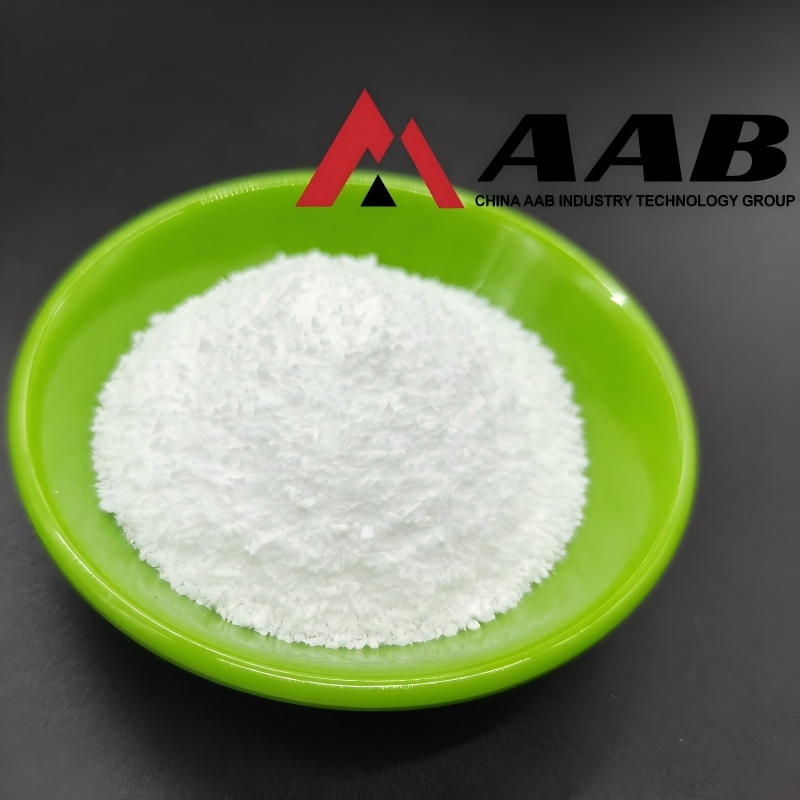
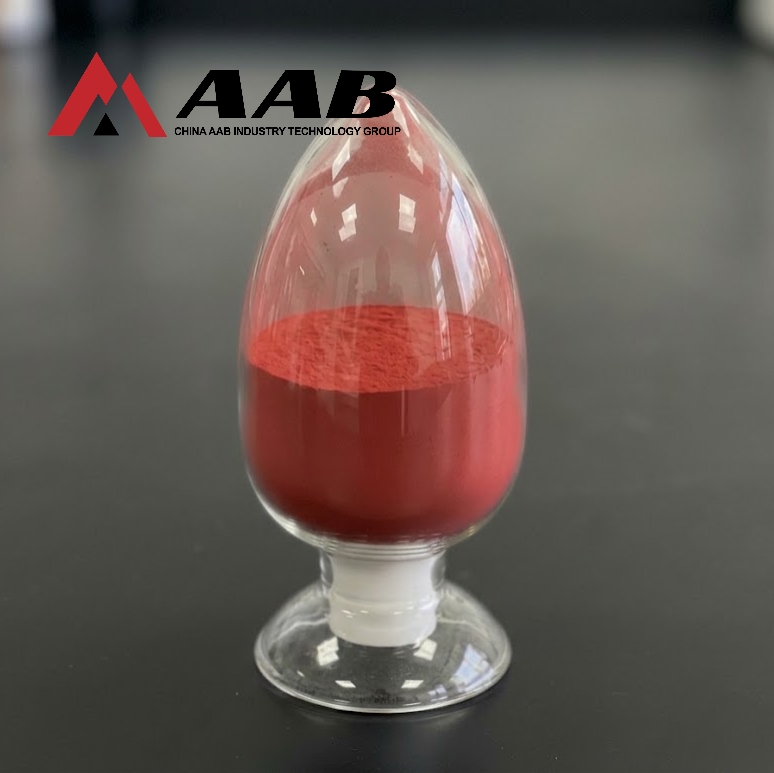
Free-flowing white powderCellulose Acetate Propionate CAP-504-0.2 is a free-flowing powder with low odor and low color, featuring a high hydroxyl content of 5.0%. Its high hydroxyl content provides excellent crosslinking potential and enables it to dissolve in alcohol/water mixtures. The material has a fast dissolution rate, good water tolerance, and resistance to souring. It is compatible with many ink resins and solvents, offering versatile application possibilities.

CAP-504-0.2 has a low viscosity (0.2 seconds) and an approximate propionyl content of 42.5 wt%. When dissolved in appropriate solvents, it forms a clear, colorless solution. Additionally, it demonstrates good resistance to discoloration from UV light and strong adhesion to plastics, making it suitable for a wide range of uses.
CAP-504-0.2 is widely used in various applications, including coatings and printing inks. It is also employed in the automotive industry for OEM, plastics, refinishing, and parts & accessories. Other key uses include lighting, non-food contact multi-layer films, non-medical housings and electronic hardware, paints and coatings, photographic imaging films, polymer modification, process additives, and process solvents. Its versatility makes it suitable for a broad range of industries.
Typical Properties:
|
Appearance: White powder |
|
|
Propionyl Content: 42.5% |
Tukon Hardness:20 Knoops |
|
Acetyl Content: 0.6% |
Wt/Vol:1.26 kg/L (10.53 lb/gal) |
|
Hydroxyl Content: 5% |
Viscositya: 0.76 poise (0.2s) |
|
Melting Point:188-210°C |
Glass Transition Temperature (Tg):159°C |
Remark:
aViscosity determined by ASTM Method D 1343. Results converted to poises (ASTM Method D 1343) using the solution density for Formula A as stated in ASTM Method D 817 (20% Cellulose ester, 72% acetone, 8% ethyl alcohol).
Advantages:
Applications:
Package & Storage:
Package: 20kgs/ctn with an inner PE bag, palletized: 6ctns/layer, 10 layers(60ctns)/pallet .
Loadability in container 20'/40' (Palletized): 12000kg. / 24000kg.
Store at room temperature. Keep package closed after using.

Tags :
Hi! Click one of our members below to chat on