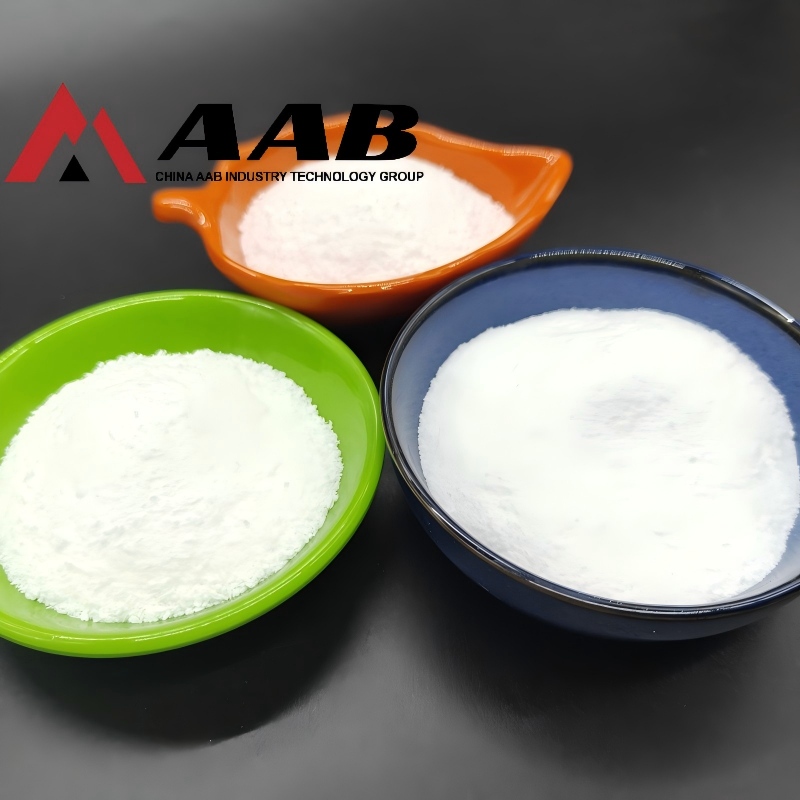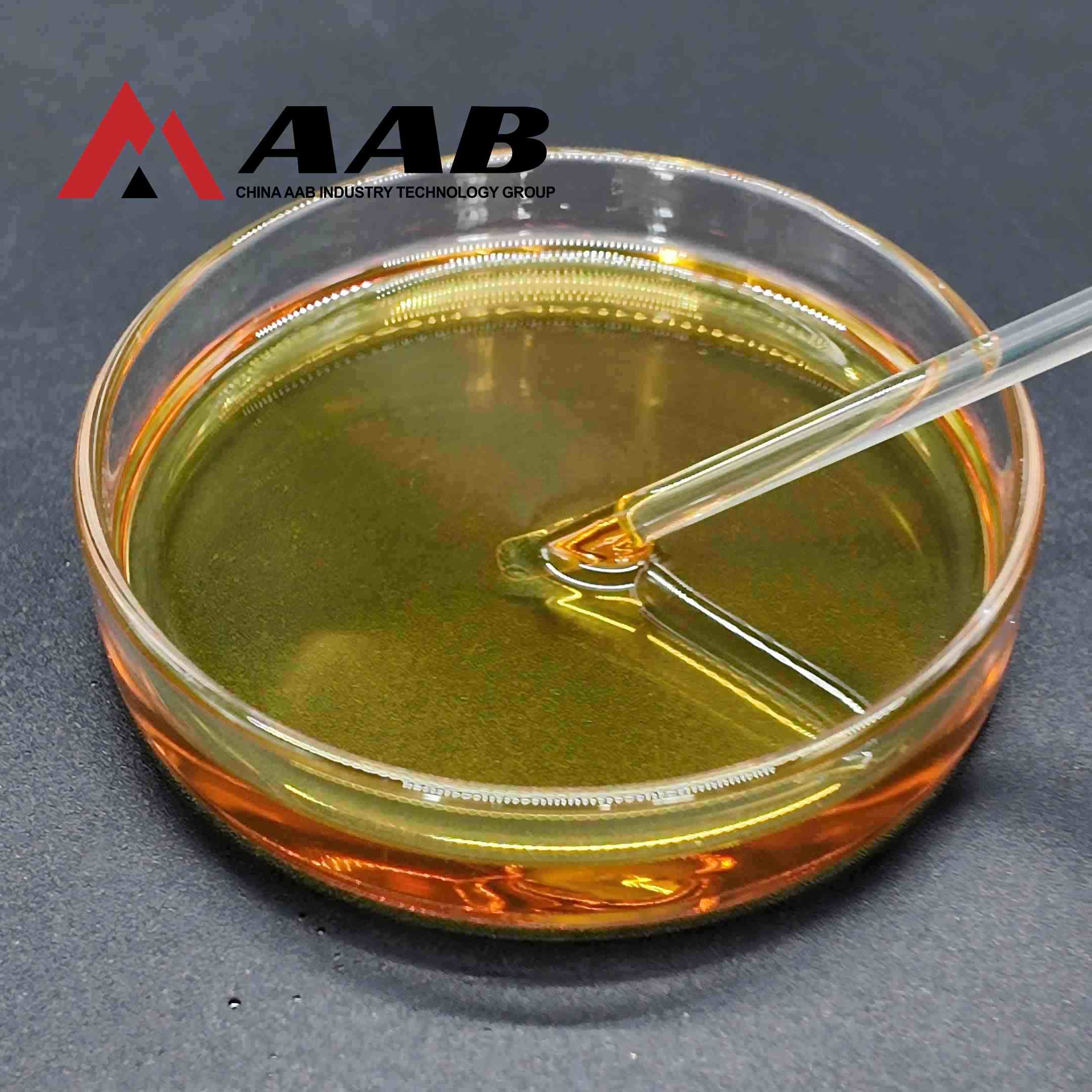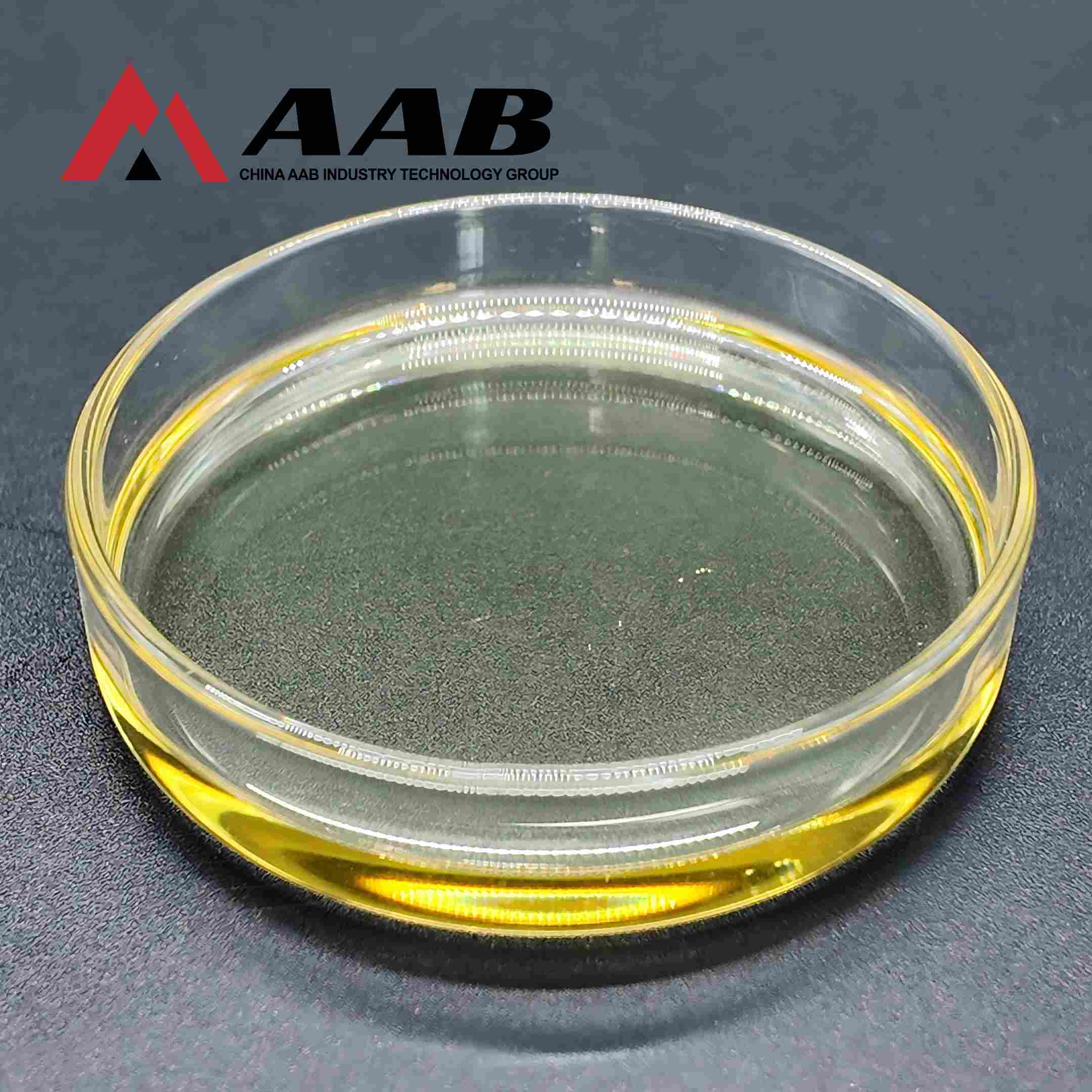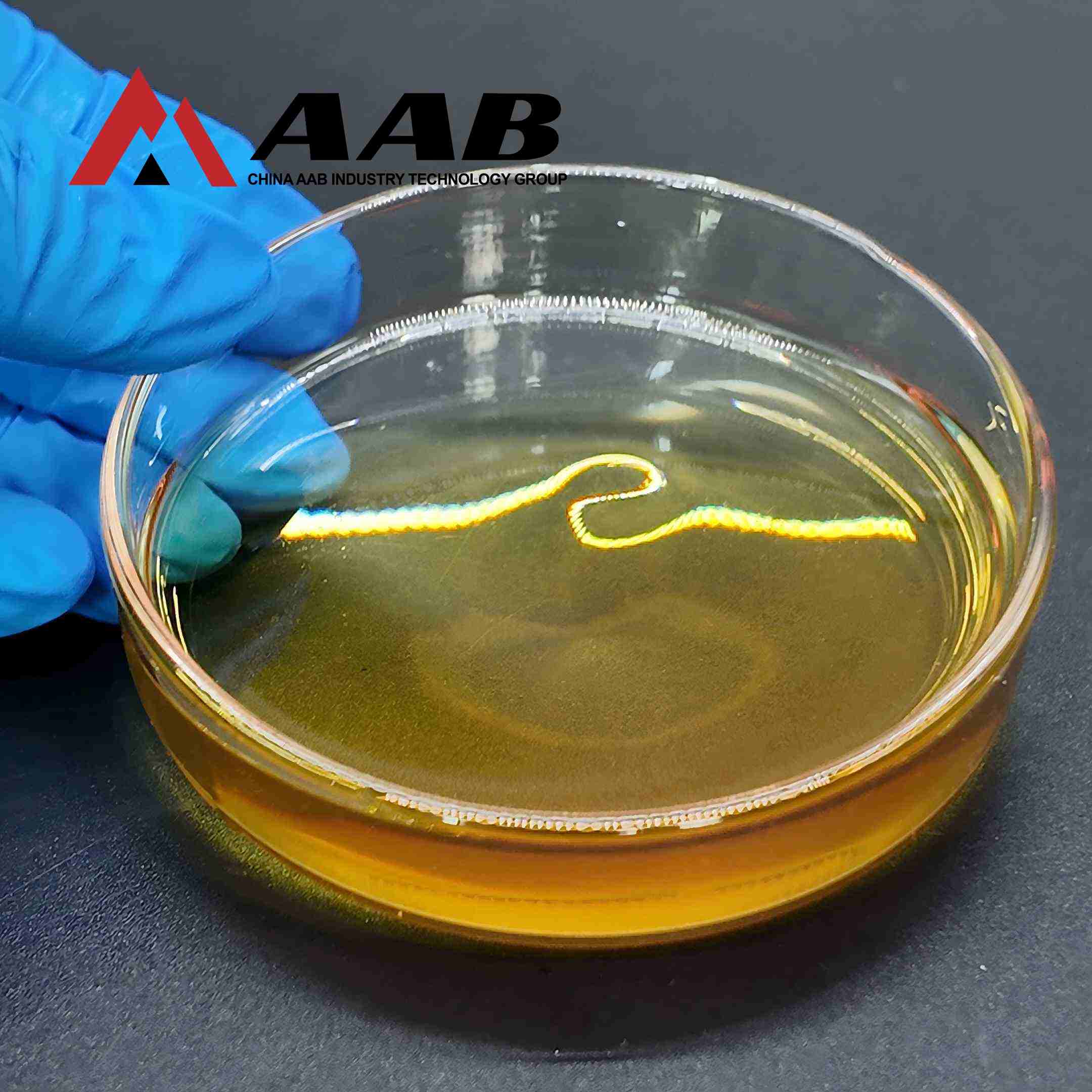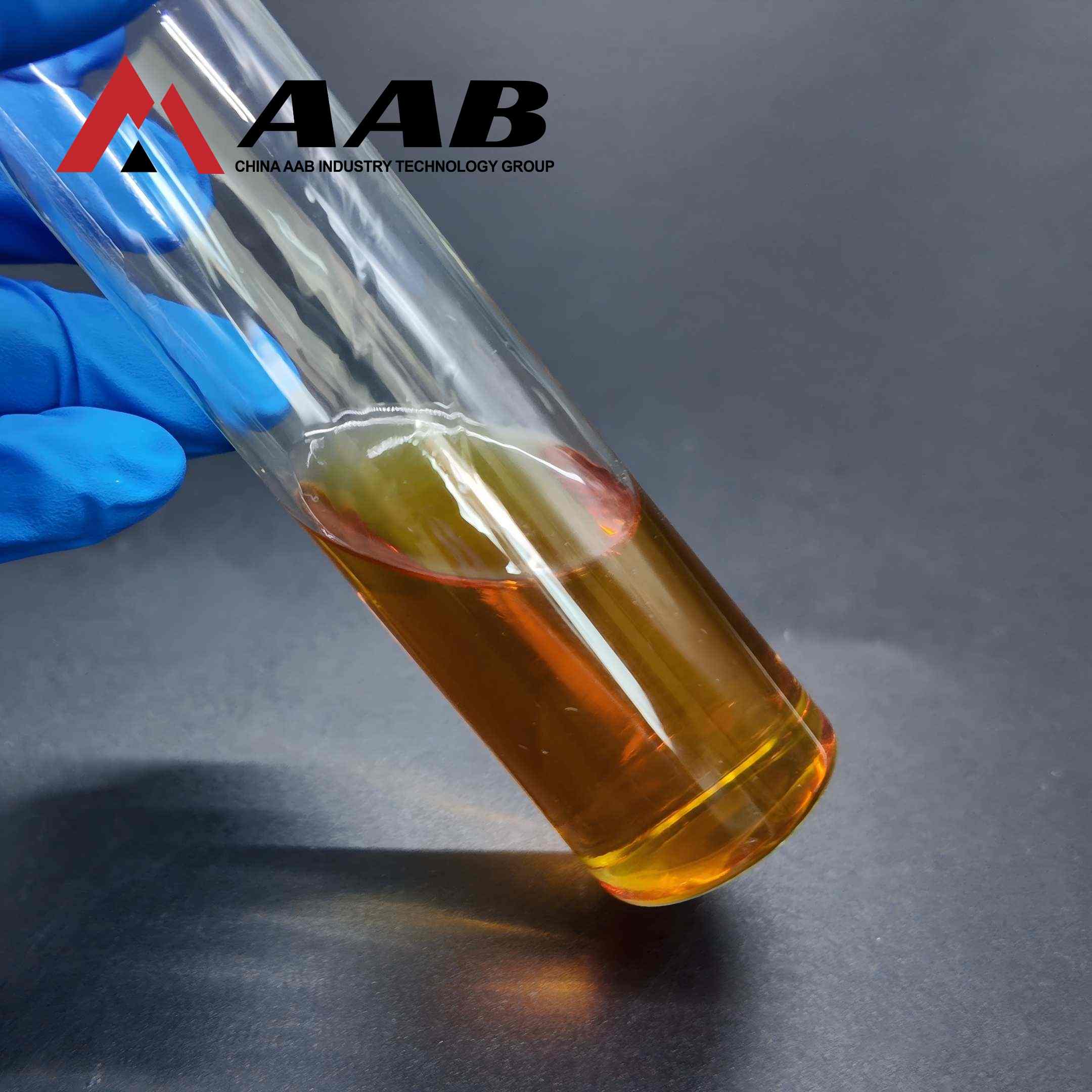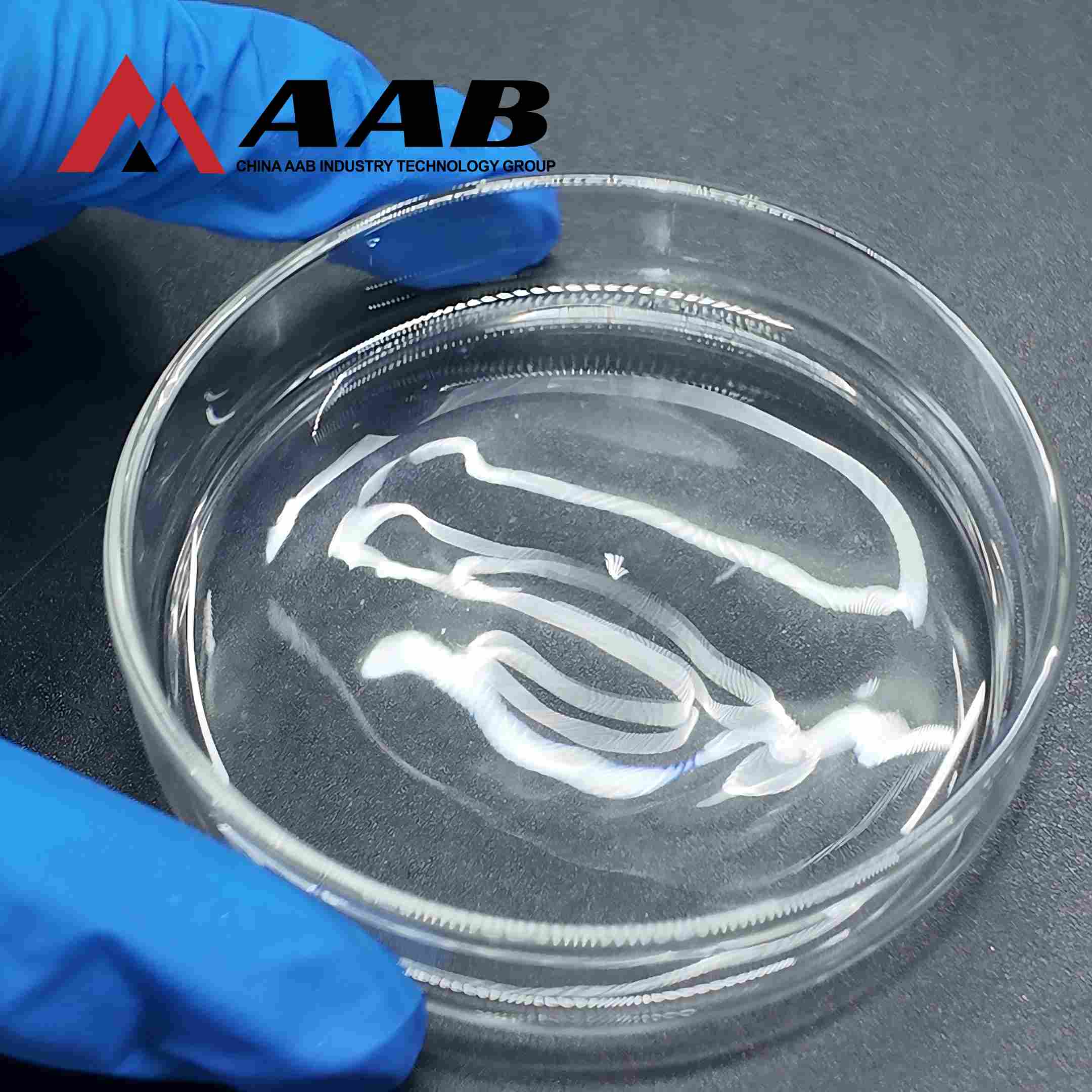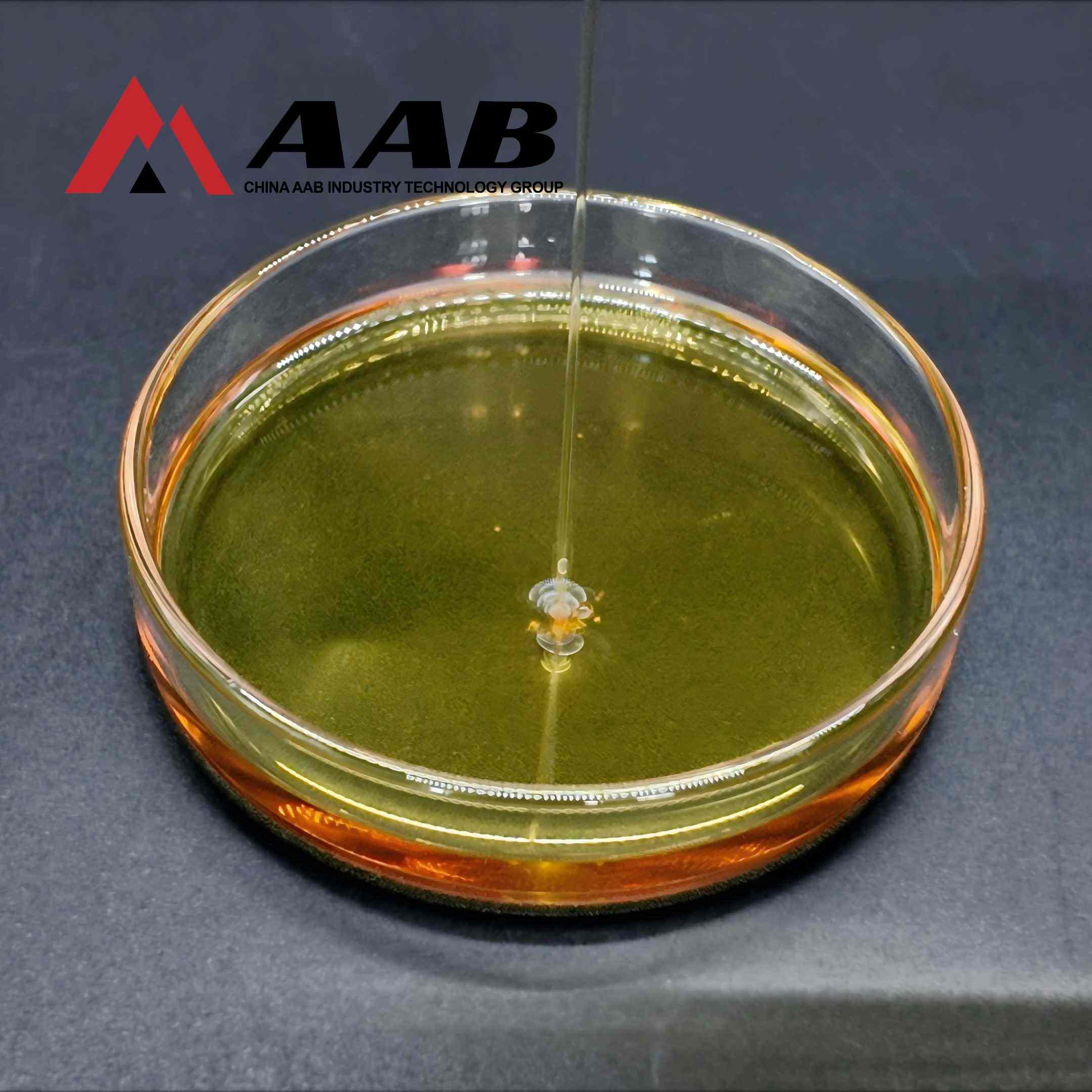
banner

Cellulose Acetate Butyrate (CAB) for Clear coating

High-Performance Cellulose Acetate Butyrate (CAB) Series — a bio-based additive range for premium clearcoats. It improves flow and leveling, eliminates orange peel, accelerates solvent release, and provides crystal-clear, non-yellowing films with excellent UV stability. Compatible with acrylic, polyester, PU, and melamine systems, it suits automotive refinish, wood, industrial, and UV-curable coatings. Multiple grades, technical data, samples, and OEM/ODM support available.

  • Chemical Name :

    CAB
  • Application :

    Automotive refinish clearcoat, High-solids 2K PU clearcoat, Wood clear topcoat (PU), General industrial clearcoat, Basecoat (flake orientation)
  • Product model :

    CAB-551-0.2, CAB-551-0.01, CAB-381-2, CAB-381-0.5, CAB-321-0.1
  • brand :

    Kabasph

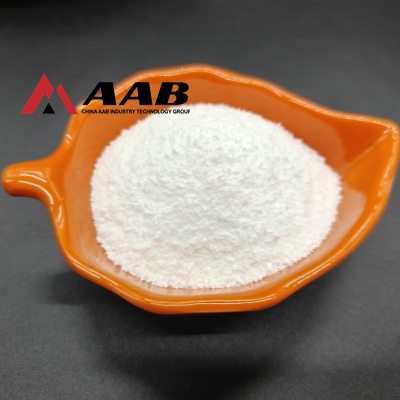
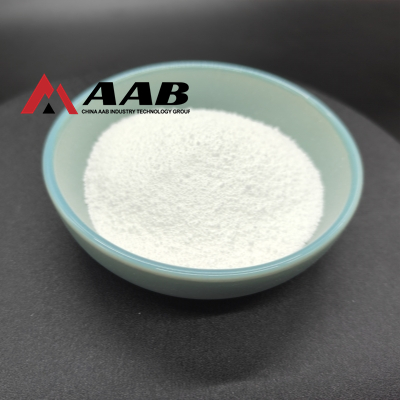
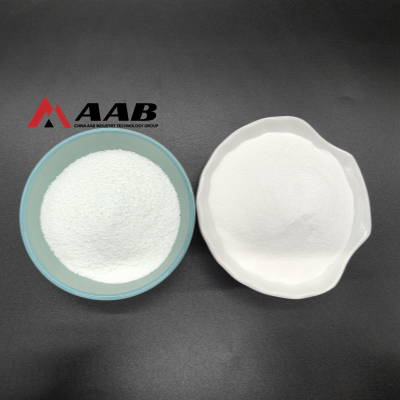
Cellulose acetate butyrate (CAB) is a cellulose ester derived from one of nature's most abundant renewable resources. In the coatings industry, CAB is valued less as a standalone film-forming resin and more as a highly versatile functional additive and co-resin that significantly improves clearcoat performance. When incorporated into transparent topcoats based on acrylic, polyester, polyurethane, or melamine cross-linking chemistries, CAB helps solve some of the most persistent challenges in clearcoat formulation—from surface defects to application efficiency.

Why CAB Matters in Clearcoats

Eliminating Orange Peel and Surface Defects

  • Orange peel is one of the most common and visible defects in clearcoat finishes. It creates an uneven, textured surface that reduces reflectivity and undermines the visual quality of the coated article. Published technical literature shows that incorporating CAB into a thermosetting melamine-acrylic clearcoat can eliminate orange peel and significantly improve surface smoothness.
  • In a controlled study, a clearcoat containing 10 wt% CAB-551-0.2 over a commercial red basecoat was compared with a CAB-free control. Atomic force microscopy (AFM) measurements showed a dramatic reduction in surface roughness: the RMS roughness value dropped from 257.4 nm in the control panel to 34.6 nm with CAB modification. This improvement in surface smoothness translates directly into higher gloss and sharper reflected images.
  • CAB acts as an effective flow and leveling aid. It lowers the surface tension of the coating, helps it spread evenly across the substrate, and allows the wet film to self-level before curing. This benefit is especially valuable in industrial clearcoats, where appearance is a primary quality criterion.

Improving Solvent Release and Application Properties

  • In clearcoat systems, solvent release directly affects sag resistance, drying time, and film build. CAB accelerates solvent evaporation from the applied film, allowing formulators to build thicker films without sagging. This is especially important in high-solids and low-VOC systems, where balancing application viscosity and film build is critical.
  • The molecular weight of the CAB grade strongly influences solvent evaporation in automotive refinish systems, so formulators can tailor drying behavior by selecting the right grade. Lower-molecular-weight grades such as CAB-551-0.01 and CAB-551-0.2 deliver the greatest improvements in flow and solvent release. Medium-molecular-weight grades, by contrast, balance flow enhancement with film hardness.

Non-Yellowing Clarity and UV Stability

  • Unlike nitrocellulose (NC), which tends to yellow over time, CAB forms water-white, crystal-clear films that remain colorless even after prolonged UV exposure. This makes CAB especially valuable in clearcoats for light-colored substrates, white wood finishes, and other applications where color fidelity matters.
  • CAB-based clearcoats also provide excellent UV stability, protecting both the coating and the substrate beneath it from photodegradation. This is especially important in automotive refinish and exterior wood coatings, where long-term appearance retention is a key requirement.

Compatibility and Formulation Flexibility
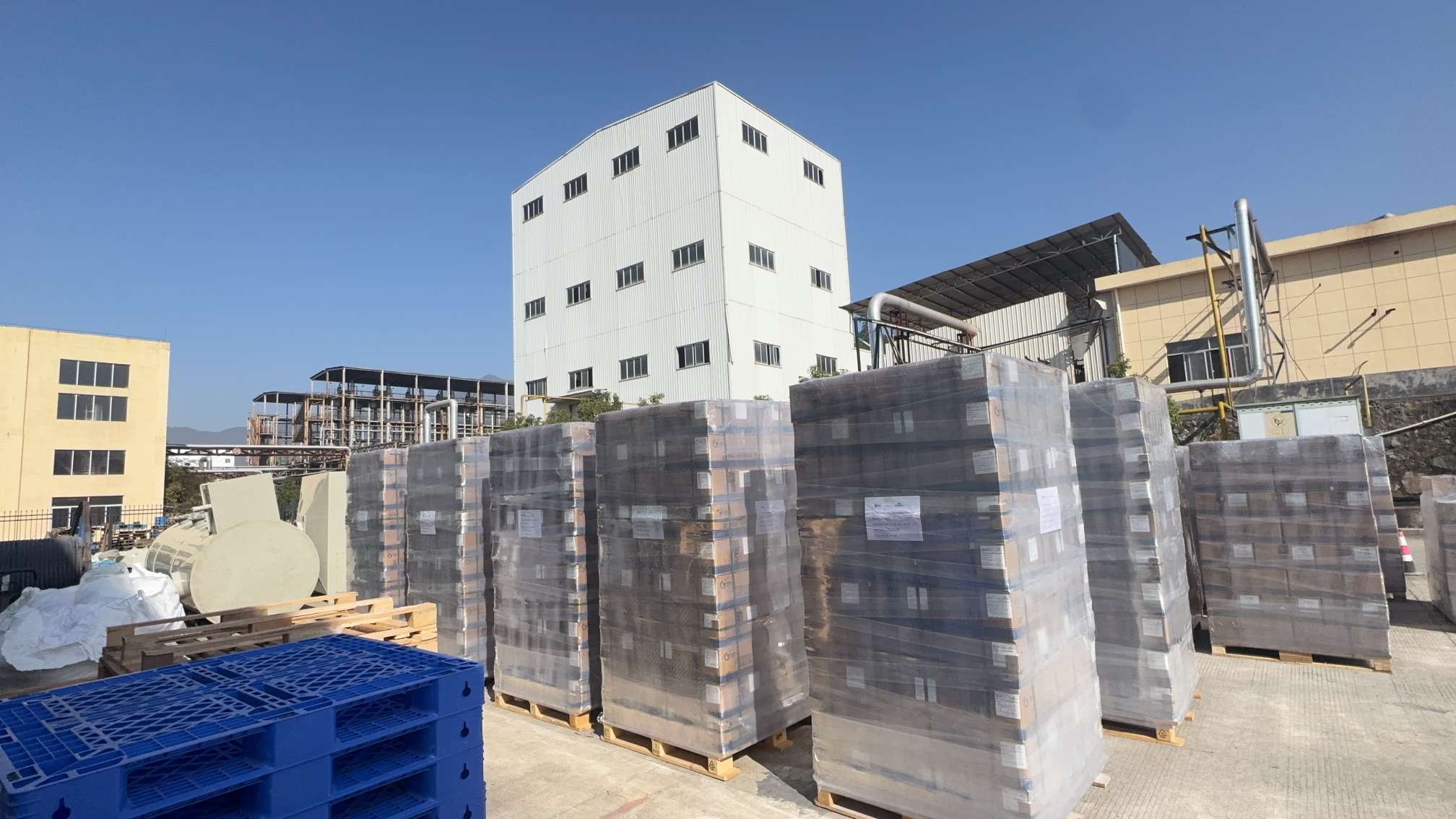
  • CAB is compatible with a wide range of resins, plasticizers, and crosslinking systems used in clearcoat formulations. It blends readily with acrylic polyols, polyester resins, melamine crosslinkers, and isocyanate curing agents. It also dissolves in a broad range of organic solvents with minimal viscosity increase, giving formulators considerable freedom in solvent selection and system design.

Cellulose Acetate Butyrate CAB Manufacturer

This compatibility with diverse curing chemistries allows CAB to be used across multiple clearcoat platforms:

l 2K polyurethane clearcoats for automotive refinish and industrial applications

l Melamine-acrylic thermosetting clearcoats for automotive OEM and coil coating

l Acrylic lacquer systems for wood and plastic substrates

l UV-curable clearcoats, where CAB helps control rheology


Product Selection Guide

The CAB portfolio includes grades differentiated by butyryl content, molecular weight, and viscosity, so formulators can fine-tune performance for specific clearcoat requirements.

  Application

Recommended CAB Grade

Typical Loading

Key Benefit

  Automotive refinish clearcoat

CAB-551-0.2

~10 wt%

Orange peel elimination, flow

  High-solids 2K PU clearcoat

CAB-551-0.01

5–15 phr*

Low viscosity, solvent release

  Wood clear topcoat (PU)

CAB-381-2

2.5–10 wt%

Hardness, sandability

  General industrial clearcoat

CAB-381-0.5

5–20 wt%

Balanced flow and hardness

  Basecoat (flake orientation)

CAB-321-0.1

5–15 wt%

Solvent resistance, orientation

*phr = parts per hundred resin

  • Low-viscosity grades such as CAB-551-0.01 and CAB-551-0.2 are ideal for high-solids systems that require low application viscosity, as well as for applications that demand maximum flow and leveling. They also offer the fastest solvent release, making them well suited to spray-applied clearcoats.
  • Medium-viscosity, medium-butyryl grades such as CAB-381-0.5 and CAB-381-2 balance flow enhancement with film hardness. They are well suited to wood clearcoats and automotive topcoats that require both good appearance and mechanical durability. CAB-381-2 is particularly effective at providing surface hardness and is compatible with nitrocellulose and acrylic resins in wood lacquer systems.
  • CAB-321-0.1 has a low butyryl content (32.5%) and low molecular weight, making it specifically designed for automotive basecoats where resistance to re-dissolution by clearcoat solvents is essential. When dissolved in suitable solvents, it forms a clear, colorless solution.


Practical Formulation Considerations

l Loading levels. When used as a flow and leveling additive, CAB is typically added at 2–15 wt% based on total formulation weight. At higher loadings—up to 30 wt% of resin solids—it can act as a co-film-former, improving hardness and block resistance. The optimal loading depends on the grade selected, the base resin system, and the desired performance balance.

l Solvent selection. CAB requires oxygenated solvents—ketones, esters, and ether-alcohols—for proper dissolution. Aromatic hydrocarbons such as toluene and xylene are not effective solvents on their own, but they can be used as diluents alongside active solvents. Typical combinations include methyl amyl ketone (MAK) with n-butyl propionate or n-butanol, as shown in industry technical formulations.

l Processing. CAB is supplied as a free-flowing powder that dissolves readily in a solvent blend under moderate agitation. For best results, add the powder slowly to the solvent system while gradually increasing mixing speed. This ensures complete dissolution and prevents lumps. Typical dissolution takes 15–20 minutes at higher mixing speeds (1500–2000 RPM).

Because CAB is bio-based and derived from renewable cellulose, it also supports the coatings industry's shift toward more sustainable formulations—an advantage that aligns with both regulatory requirements and end-user expectations. Whether used as a flow modifier, rheology control agent, or co-film-former, CAB remains an essential tool in the clearcoat formulator's toolkit.

For technical data sheets, formulation guidance, or samples from our CAB series, please contact our technical team.

Leave A Message
If you are interested in our products and want to know more details,please leave a message here,we will reply you as soon as we can.
submit
categories

Related Products

Cellulose Acetate Butyrate (CAB) for Clear coating
High-Performance Cellulose Acetate Butyrate (CAB) Series — a bio-based additive range for premium clearcoats. It improves flow and leveling, eliminates orange peel, accelerates solvent release, and provides crystal-clear, non-yellowing films with excellent UV stability. Compatible with acrylic, polyester, PU, and melamine systems, it suits automotive refinish, wood, industrial, and UV-curable coatings. Multiple grades, technical data, samples, and OEM/ODM support available.
Cellulose acetate butyrate CAB-381-0.5
We are a professional Cellulose Acetate Butyrate CAB supplier from China, Our CAB -551-0.2, CAB-551-0.01, CAB-381-2, CAB-381-0.5 and CAB-381-0.1 find extensive applications in automotive (touch-up) paints, motorcycle paints, metallic finishes, plastic coatings, wood coatings, paper varnishes, fabric coatings, and printing inks as a coating additive.    Our production base was founded in september 2014 with a registered capital of50 milion Chinese Yuan, occupying an area of54,500 square meters, certificates of lS09001,ISO14001,lS045001, EU REACH registration certificate.
Cellulose Acetate Butyrate 551-0.01
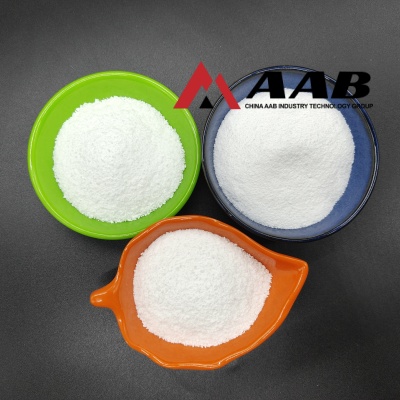
Cellulose Acetate Butyrate (CAB-551-0.01) is a cellulose ester with high butyryl content and low viscosity, which significantly affects it solubility and compatibility. CAB-551- 0.01 is soluble in styrene and methyl methacrylate monomers and will tolerate more aliphatic and aromatic hydrocarbon diluent than higher viscosity materials. The solubility of CAB-551- 0.01 in alcohol/aromatic hydrocarbon mixtures offers an economic advantage and permits the choice of a wide range of solvents and solvent combinations. It also offers improved compatibility with various coating resins.  CAB-551-0.01 is a dry, white free flowing powder convenient to handle.
China Cellulose Acetate Butyrate CAB-381-20
CAB-381-20 is a versatile high-performance polymer. Its advantage lies not in the perfection of a certain performance, but in the perfect balance of its comprehensive performance. First of all, CAB-381-20 has excellent weather-ability and yellowing resistance. At the same time, its unique chemical structure is convenient for rapid release of solvent, good quick drying and leveling, hard and tough, and it can form its own film, and it can also modify other resin systems excellently, with excellent metal effect arrangement control ability. It is this balanced and unique performance combination that has always been one of the indispensable key raw materials for high-performance industrial coatings, especially automotive effect coatings, for decades.   Our production base was founded in September 2014 with a registered capital of 50 millions Chinese Yuan, occupying an area of54,500 square meters, certificates of lS09001, ISO14001, lS045001, EU REACH registration certificate. Our Cellulose Acetate Butyrate CAB-381 and CAB-551 annual capacity is 10000 tons and Cellulose Acetate CA 6000 tons.
China Cellulose Acetate Butyrate CAB-551-0.2
Cellulose Acetate Butyrate (CAB-551-0.2) is a cellulose ester with high butyryl content and relatively low molecular weight. It is compatible with numerous cross-linking resins and has a lower solution viscosity. In coatings & paints application, CAB-551-0.2 gives clear films, reduces surface tack and mottling, minimizes cratering, improves flow and thermal reflow, and provides inter coat adhesion and good UV stability. It is useful for durable cross-linked formulations. Its good compatibility with a wide range of curing resin systems and its solubility in a wide variety of solvents and solvent combinations make it useful as an additive in numerous coating compositions. Based on those performance, our CAB-551-0.2 is widely applied to Automotive Original Paints (OEM), Automotive Plastic and metal Components‘ coating,  Nail polish,  Trucks Buses and Commercial Vehicles' Coatings, Print ink and so on. Our production base was founded in September 2014 with a registered capital of 50 millions Chinese Yuan, occupying an area of54,500 square meters, certificates of lS09001,ISO14001,lS045001, EU REACH registration certificate. Our Cellulose Acetate Butyrate CAB-381 and CAB-551 annual capacity is 10000 tons and Cellulose Acetate CA 6000 tons.
China Cellulose Acetate Butyrate CAB-531-1
Cellulose Acetate Butyrate (CAB-531-1 ) has a moderate butyryl / acetyl ratio, and medium viscosity. CAB-531-1 is compatible with numerous cross-linking resins and has a lower solution viscosity.  CAB-531-1 achieves an exceptional balance between drying speed, leveling effect, metal pigment orientation control, and compatibility through its unique molecular structure, making it a key additive for enhancing coating performance and production efficiency. Our production base was founded in September 2014 with a registered capital of 50 millions Chinese Yuan, occupying an area of54,500 square meters, certificates of lS09001,ISO14001,lS045001, EU REACH registration certificate. Our Cellulose Acetate Butyrate CAB-381 and CAB-551 annual capacity is 10000 tons and Cellulose Acetate CA 6000 tons.
Cheap Cellulose Acetate Butyrate CAB-381-2
CAB-381-2 is a cellulose ester with high butyryl content, high viscosity and big molecular weight. Our CAB-381-2 offers a combination of excellent solubility and compatibility, moisture resistance, excellent surface hardness, and good film strength.   For those excllent performances, our CAB-381-2 is widely use in various paints, inks and adhesives as automotive paint, wood coating, mororcycle paint,plastic coating, textile coating, ink, nailpolish, leather paint and so on.
Cellulose Acetate Butyrate 381-0.1 for textile paint
Cellulose Acetate Butyrate (CAB 381-0.1) is a cellulose ester with medium butyryl content and low viscosity. It was designed for use where low-application viscosities at relatively high solids levels is needed. It is soluble in a wide range of solvents and compatible with many other resins. It will also tolerate the use of solvent blends currently exempt from certain air pollution regulations. It is supplied as a dry, free-flowing powder.
Cellulose Acetate Butyrate 381-20 for Automotive OEM paint
CAB-381-20 is a cellulose ester with high butyryl content and high viscosity. Other than a higher viscosity and molecular weight, this cellulose ester shares the same general characteristics as CAB-381-0.1, CAB-381-0.5, CAB-381-2 ,CAB-381-20offers a combination of solubility and compatibility, moisture resistance, excellent surface hardness, and good film strength. It is supplied as a dry, free-flowing powder.
Cellulose Acetate Butyrate 551-0.2 for automotive coatings
Cellulose Acetate Butyrate (CAB-551-0.2) is a cellulose ester with high butyryl content and relatively low molecular weight. It is compatible with numerous cross-linking resins and has a lower solution viscosity. In coatings, CAB-551-0.2 gives clear films, reduces surface tack and mottling, minimizes cratering, improves flow and thermal reflow, and provides inter coatings & paints adhesion and good UV stability. It is useful for durable cross-linked formulations. Its good compatibility with a wide range of curing resin systems and its solubility in a wide variety of solvents and solvent combinations make it useful as an additive in numerous coating compositions.
High viscosity Cellulose acetate butyrate CAB-381-2
CAB-381-2 features for high butyryl content and high viscosity. it is widely used for automotive OEM, Auto plastics, Auto refinish, Automotive parts & accessories, Automotive protective coatings, automotive lacquers, automotive interior Paints and Coatings,  automotive exterior Paints and Coatings, and so on.  
Nail Polish Grade Cellulose Acetate Butyrate
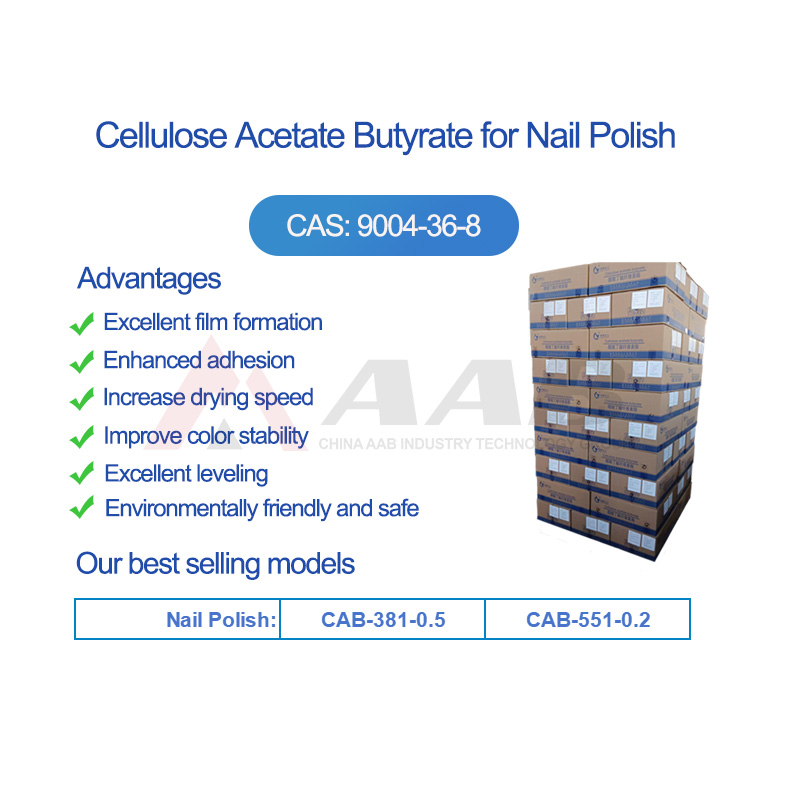
Cellulose acetate butyrate (CAB) is a key film-forming agent in high-end nail polish formulations and a high-performance material developed specifically for the nail industry. Our CAB products significantly improve the fluidity, quick-drying properties, and durability of nail polish, helping brands create professional-grade nail products.
Cheap Cellulose Acetate Butyrate CAB-381-0.5 Supply
Cheap Cellulose Acetate Butyrate CAB-381-0.5 SupplyCellulose Acetate Butyrate (CAB 381-0.5) is a cellulose ester with medium butyryl content, low viscosity, clear and colorless solution if disolved in solvent. Also Our CAB-381-0.5 is soluble in a wide range of solvents and compatible such as NC/acrylic resins.   CAB-381-0.5 is widely use in Automotive Coatings, Truck/Bus/Commercial Vehicles paint, Plastics metal coatings & paints, Printing Inks, Nail polish, personal care, wood coating and so on.
Waterborne Waterborne CAB Emulsion for High-Performance Water-Based Coatings
Waterborne CAB-W425S for High-Performance Water-Based Coatings
Kabasph® CAB-W425S is a specialized, water-dispersible cellulose ester, which acts primarily as a rheology modifier and aluminum flake control agent in metallic paints, it is highly applied to water-borne automotive coatings, wood stains, and plastic coatings for excellent superior flow, leveling, and anti-sag properties.
Cellulose acetate (CA)
CA for Cigarette filter and medical filtration
Cellulose acetate (CA) is a semi-synthetic polymer material produced through the acetylation reaction of natural cellulose, combining biodegradability with chemical stability. Its unique porous structure, non-toxic properties, and tunable physical characteristics make it an essential material for cigarette filters and a high-value excipient in the pharmaceutical industry. It can also be used to produce enteric coatings for pharmaceuticals, cellulose acetate filter membranes, and other applications. Additionally, it is utilized in the production of cellulose acetate plastics and cellulose acetate filter membranes.
Cellulose Acetate Butyrate for Powder coating
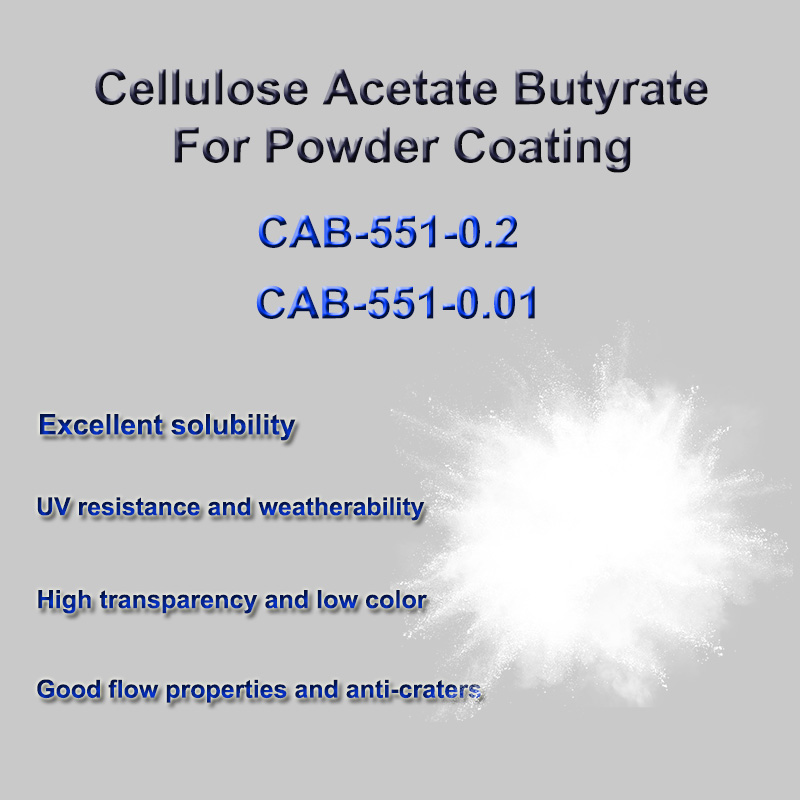
Cellulose Acetate Butyrate(CAB) CAB-551-0.2 and CAB-551-0.01 from China AAB Group are specially suitable for powder coatings.Cellulose acetate butyrate (CAB) is a high-performance cellulose derivative that, thanks to its excellent leveling properties, weather resistance, solubility, and low viscosity, has become a key additive in powder coatings, inks, plastic modification, and other fields. As a leading supplier of chemical raw materials, China AAB Group provides high-quality CAB to help the coatings industry improve product performance.
Cellulose Acetate Butyrate for Automotive Industry
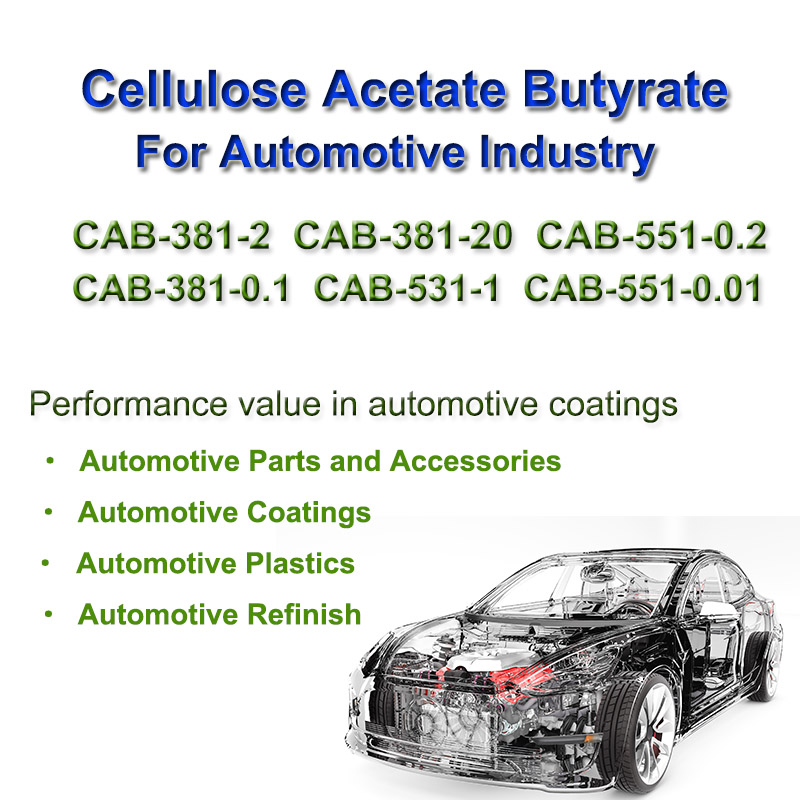
Cellulose Acetate Butyrate (CAB) serves as an effective adhesive for protective and decorative coatings on various substrates, including metal, wood, textiles, paper, plastics, and leather. Due to its versatile performance, it is a commonly employed additive in the coatings industry.CAB exhibits multiple beneficial properties, such as resistance to yellowing, high flexibility, strong cold resistance, excellent color retention, superior flow characteristics, hydrolysis resistance, and outstanding transparency.
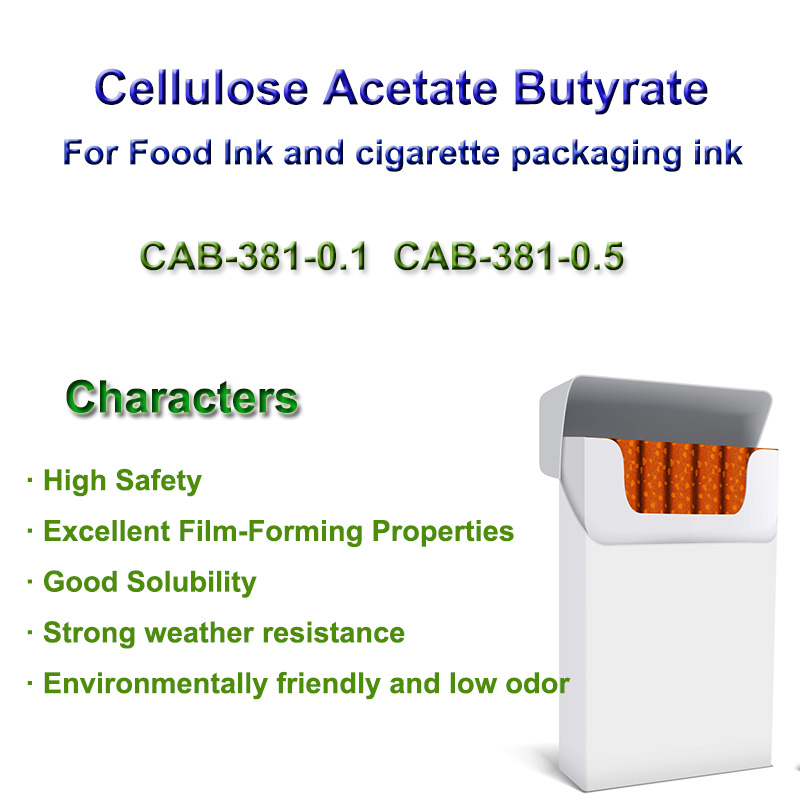
Food ink and cigarette packaging ink grade Cellulose Acetate Butyrate
Cellulose Acetate Butyrate (CAB) is a high-performance cellulose derivative widely used in food-grade inks, cigarette packaging inks, and other high-end printing applications. CAB offers excellent solubility, film-forming properties, and weather resistance, providing superior printing results and safety. It is ideal for the packaging industry, where strict environmental and health requirements are essential.
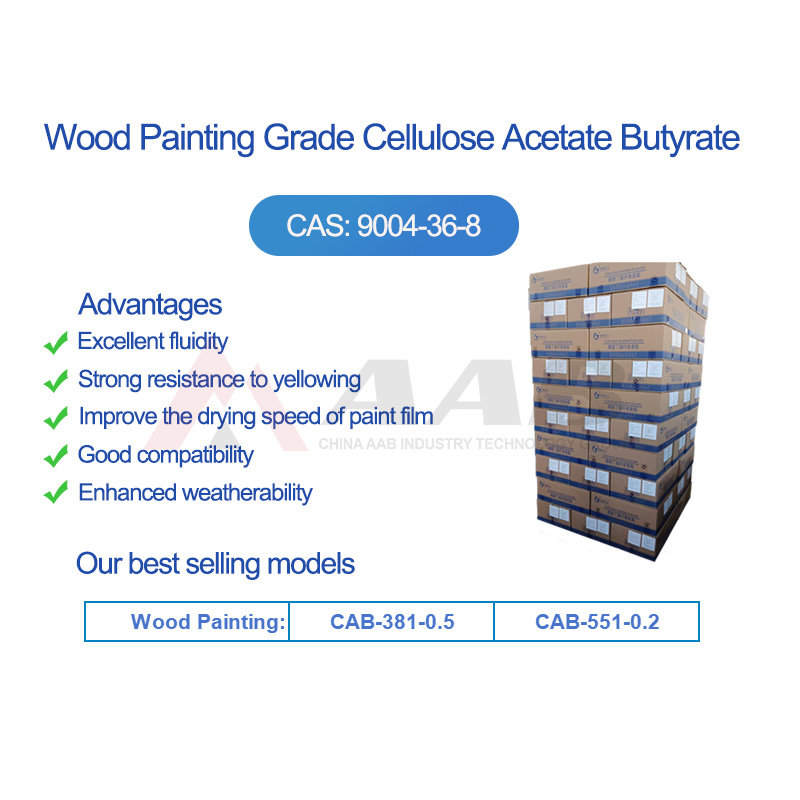
Wood Coatings Grade Cellulose Acetate Butyrate
Cellulose acetate butyrate (CAB) is a high-performance cellulose derivative widely used in wood coatings, furniture paints, industrial coatings, and other fields. CAB significantly improves the leveling, anti-yellowing, and weather resistance of coatings, making it suitable for high-end wood coatings and providing a long-lasting, beautiful surface finish.
Cellulose Acetate Butyrate CAB-531-1
CAB-531-1 is a high-performance cellulose ester with higher butyryl content than the CAB-381 series, offering superior flexibility and reduced plasticizer requirements. This product shares similar hydroxyl content and solubility characteristics with CAB-381, dissolving in various solvents to form clear colorless solutions. When combined with thermoplastic acrylic resins, it produces tough films with excellent mar and weather resistance. Widely applicable in automotive OEM/plastic coatings, wood finishes, metal coatings, nail polish, and commercial vehicle coatings, it provides durable, high-quality surface solutions.   Our production base was founded in September 2014 with a registered capital of 50 millions Chinese Yuan, occupying an area of 54,500 square meters, certificates of lS09001, ISO14001, lS045001, EU REACH registration certificate. Our Cellulose Acetate Butyrate CAB-381 and CAB-551 annual capacity is 10000 tons and Cellulose Acetate CA 6000 tons.

Corporate Culture

Persisting on the operation concept of "Pursue honesty and quality at the same time, win hearts and profits together", the China AAB group’s people insist on the enterprise spirit of “environmental-friendly and continuous innovation, and dedicates service to all followers and customers around the world.” we have become long-term stable suppliers for many paint giants in the Europe, North American, the Middle East, Southeast Asia, Japan, South Korea and other countries and regions.
Read more
homepage

Need Help? Chat with us

Leave A Message
If you are interested in our products and want to know more details,please leave a message here,we will reply you as soon as we can.
Submit
Contact us #
+86 13951823978

home

products

whatsApp

Contact Us

Need Help? Chat with us

Start a Conversation

Hi! Click one of our members below to chat on