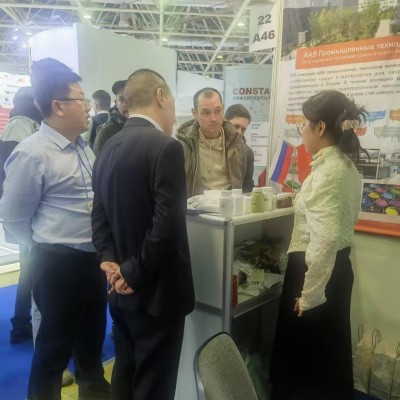
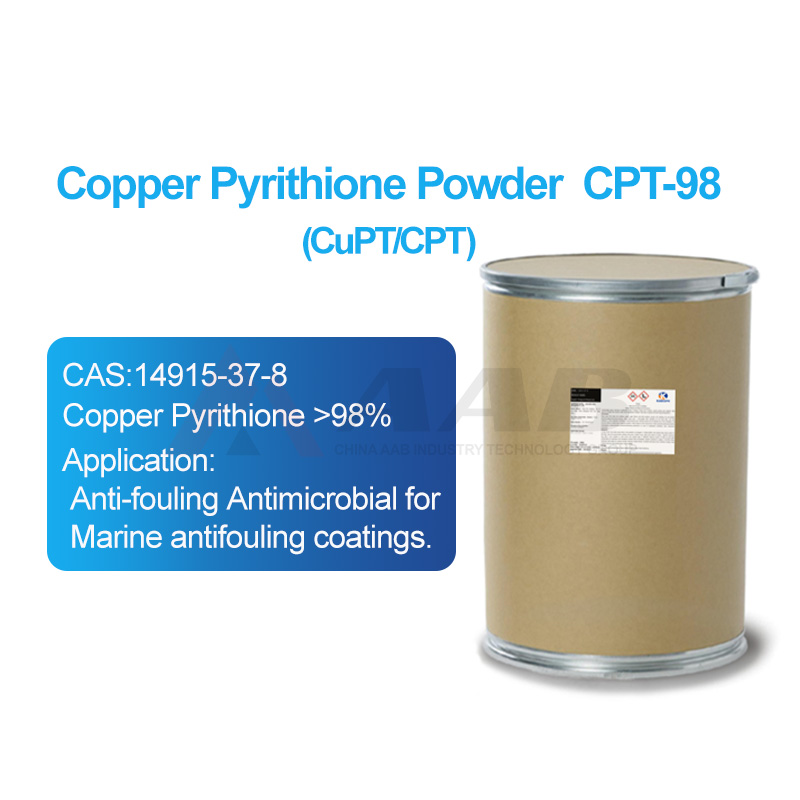
• What Is the Latest Price of Raw Material for Powder Coatings?
    What Is the Latest Price of Raw Material for Powder Coatings? Mar 23, 2026
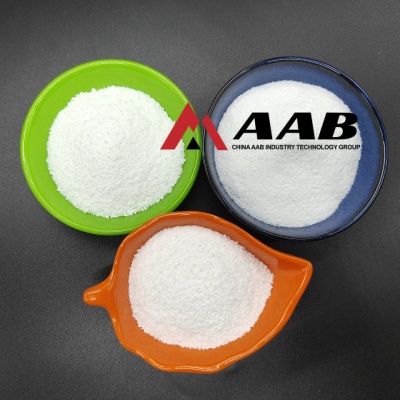
    At the start of this year, bulk chemical materials have seen a broad-based surge in prices.   What’s driving this round of increases? The root cause is the international situation. Geopolitical tensions in the Middle East have directly pushed up both crude oil and shipping costs.   Against this backdrop, price hikes have spread across a wide range of chemical products. Polyester resin, acrylic emulsions and monomers, epoxy resin, leveling agents, dispersants, and others have seen increases ranging from 3% to 12%. The most striking case is epoxy resin, which has surged by more than 30% in just one month.     Among the more specialized materials, the TGIC curing agent has jumped from 31,000 yuan per ton to 36,000 yuan per ton—a sharp rise of 5,000 yuan per ton, or 16%. Orders are already booked through mid-April, and manufacturers are restricting new sales, accepting only repeat orders from existing customers.   As for the HAA curing agent, new orders have been completely suspended. Manufacturers have stated that due to “a sharp surge in the price of raw material adipic acid, combined with production capacity constraints, no new orders will be accepted in the short term.” The current price stands at 15–17.5 yuan per kilogram.   Titanium dioxide (rutile type) has also seen notable increases. Before the Chinese New Year, the mainstream ex-factory price was between 11,800 and 12,500 yuan per ton. It has now risen to 12,800–13,600 yuan per ton, while the chloride-process grade is priced at 13,800–14,500 yuan per ton—an increase of more than 1,000 yuan per ton compared to the end of last year.   For further updates, please subscribe to our newsletter—we will continue to track developments.
  • Beyond the Nitrocellulose Crisis: Why CAB is the Safe & Stable Choice for Inks
    Beyond the Nitrocellulose Crisis: Why CAB is the Safe & Stable Choice for Inks Mar 20, 2026
    In July 2025, the global printing ink industry was once again confronted with rising raw material costs. On July 3, 2025, Sun Chemical announced a price increase across its entire portfolio of nitrocellulose-containing products in Europe, the Middle East, and Africa, citing “significant raw material cost increases.”January 28, 2026 – Sun Chemical Packaging and Graphics will implement a price increase across its portfolio of nitrocellulose containing products in Latin America, driven by sustained and significant increases in nitrocellulose costs. The adjustments take effect immediately, or as stipulated in existing customer agreements, with the level of increase varying by product type and nitrocellulose(NC) content. (Source: Sun Chemical Official Website)   Nitrocellulose, also know as NC, is a key functional resin in traditional solvent-based inks. It delivers excellent printability, leveling, fast-drying performance, and effective fixation of metallic or pearlescent pigments. However, nitrocellulose is classified as a flammable and explosive hazardous material (UN2556, Class 4.1), requiring extremely stringent conditions for transportation and storage. Even a slight oversight can lead to safety incidents.   If price increases can still be absorbed through cost pass-through, the inherent nature of nitrocellulose presents a safety hazard that can never be circumvented. On August 12, 2015, the massive explosion at the Tianjin Port claimed 165 lives and injured 798 people. One of the direct causes of the accident was the accelerated decomposition of nitrocellulose stored in containers under high temperatures, leading to heat accumulation, spontaneous combustion, and ultimately the explosion.   Nitrocellulose slowly decomposes and releases heat at room temperature. Its decomposition accelerates above 40°C, and spontaneous combustion may occur at approximately 180°C. During transportation, it must be kept away from high temperatures, direct sunlight, and open flames. Loading and unloading require strict avoidance of collision and friction, and it must not be mixed with other flammable or explosive materials. These stringent requirements have always been a "Sword of Damocles" hanging over industrial production and logistics practices.   Facing the dual pressures of rising nitrocellulose prices and supply constraints, the ink industry has begun actively seeking alternatives. CAB (Cellulose Acetate Butyrate) has emerged as one of the most attractive alternatives. CAB is a cellulose derivative modified with special functional groups, capable of maintaining high ink performance while significantly enhancing safety and environmental friendliness.   Why Choose CAB(Cellulose Acetate Butyrate) for Inks? CAB (Cellulose Acetate Butyrate) acts as a functional additive in the ink industry. Its mechanism of action is similar to that of nitrocellulose, yet it avoids the latter's fatal flaws. Control of Solvent Release and Drying Speed CAB can precisely regulate the drying process of ink on printing substrates, enabling instant drying required for high-speed printing. This prevents issues such as set-off, smudging, or plate blocking, while maintaining the gloss and adhesion of the ink layer. Improved Flow and Printability CAB reduces ink viscosity and optimizes flow, allowing the ink to better fill printing plates. It also promotes rapid leveling, forming smooth ink films and enhancing dot sharpness and print accuracy. Fixing of Metallic and Pearlescent Pigments In metallic or pearlescent inks, CAB quickly locks flake pigments in place, ensuring high brightness and uniform metallic effects, while preventing uneven sparkle or cloudiness. Enhanced Pigment Dispersion and Stability CAB improves pigment wetting and dispersion, preventing settling or flocculation, and enhancing color consistency and gloss in printed materials. Improved Film Surface Properties By increasing hardness and scratch resistance, CAB protects printed materials during subsequent processing, transportation, or stacking, while also improving gloss and anti-blocking performance. Adhesion and Chemical Resistance CAB provides excellent adhesion to non-absorbent substrates such as PE, PP, PET, PVC, and metallic foils. It also enhances the ink film’s resistance to oils, alcohol, and weak acids or bases, making it suitable for high-standard applications such as food and cosmetic packaging. High Formulation Compatibility CAB is compatible with nitrocellulose, polyamide, acrylic resins, and various solvents, allowing it to be used as a versatile modifier in a wide range of solvent-based ink formulations.     Top CAB Solutions as Alternatives to Nitrocellulose Our CAB-400, CAB-500, CAB-600, CAB-800, and CAB-900 series products are all finely processed and supplied in powder form, posing no hazardous risks. The films produced from these materials exhibit both high toughness and excellent chemical and oil resistance. They are widely applicable in various ink systems, including Flexographic Printing Inks, Screen Printing Inks, and Gravure Printing Inks. These products can effectively replace the functionality of nitrocellulose in printing inks, while eliminating the safety risks associated with its transportation and storage.  In the long term, the nitrocellulose shortage is no short-term fluctuation. As geopolitical tensions persist, military demand will not subside, and the civilian supply of nitrocellulose will remain under sustained pressure. Meanwhile, global attention to industrial safety continues to intensify. The lesson of Tianjin Port serves as a stark reminder: beyond performance and price, safety must be a core consideration in supply chain decisions.   The replacement of nitrocellulose with CAB is not a stopgap measure, but an inevitable direction driven by technological evolution and safety upgrading. For ink manufacturers and printing companies, now is the optimal time for proactive transformation—not only to address the current raw material crisis, but also to build a safer, more stable, and more sustainable future.  

  • Why Can a 0.5mm Glass Flake Coating Outperform a 2.0mm Traditional FRP Lining?
    Why Can a 0.5mm Glass Flake Coating Outperform a 2.0mm Traditional FRP Lining? Mar 09, 2026
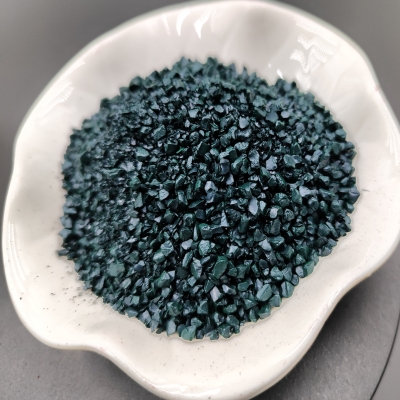
    In extremely harsh environments such as chemical storage tanks, sea-crossing bridges, and flue gas desulfurization towers, ordinary coatings often powder and peel within a few years. Yet, there is a material that can remain steadfast on the job for decades. Its core secret lies within glass fragments thinner than a human hair—glass flakes.   The core value of glass flakes stems from their unique microstructure and physical barrier mechanism. This flake-like functional material, made from molten glass at temperatures exceeding 1200°C, has a thickness of only 2-5 microns but a diameter ranging from tens to hundreds of microns, resulting in an extremely high aspect ratio.   When hundreds of millions of glass flakes are uniformly dispersed in a resin matrix, they are not arranged randomly. Instead, they form a highly ordered, parallel, and overlapping structure within the coating, much like layers of overlapping roof tiles. The "maze effect" created by this structure forces the penetration path of corrosive media to be extended by geometric multiples—water molecules, chloride ions, and acid ions must struggle to travel along a tortuous path, with their effective diffusion distance reaching tens or even hundreds of times the physical thickness of the coating.   Industry research data shows that coatings containing glass flakes have permeability resistance far superior to traditional FRP linings. A 0.5mm thick flake coating can significantly surpass the anti-penetration capability of a 2.0mm thick FRP lining, achieving a dual leap in both performance and efficiency.   Core Advantages of Glass Flakes Beyond its exceptional resistance to permeation, glass flakes can also impart a series of outstanding properties to anti-corrosion coatings: Extremely Low Curing Shrinkage: The incorporation of a large amount of inorganic glass flakes effectively reduces the volume shrinkage of the resin during curing, minimizing residual stress within the coating and making it less prone to cracking and delamination. Excellent Thermal Stability: Glass flakes have a low coefficient of thermal expansion, which brings the linear expansion coefficient of the composite coating close to that of steel (carbon steel). This means that under conditions of drastic temperature changes (such as thermal shock), the coating can expand and contract in sync with the substrate without peeling due to stress. Its heat resistance can be increased by 20-40°C compared to similar pure resin coatings. Outstanding Mechanical Properties: Glass flakes themselves are a hard material. Their addition significantly enhances the surface hardness, abrasion resistance, and scratch resistance of the coating. It provides excellent protection even in areas subject to severe erosion and wear. Good Processability: Glass flake coatings can be applied using various methods such as brushing, rolling, and high-pressure airless spraying. They are also easy to repair, making them very suitable for large-scale on-site engineering operations.   Wide Range of Applications Thanks to their excellent performance, glass flakes are widely used in numerous demanding operating environments. Application Field Specific Scenarios Marine Engineering Ship anti-corrosion, offshore platforms, port facilities Petrochemical Storage tank linings, pipeline anti-corrosion, chemical equipment Energy & Environmental Protection Flue gas desulfurization units, nuclear facilities, power plants Infrastructure Bridge anti-corrosion, wastewater treatment, metallurgical equipment Industrial Coatings Heavy-duty anti-corrosion coatings, epoxy flake coatings, specialty coatings Composite Materials Plastic modification, rubber reinforcement, pigment production   Glass flake coating technology was first developed by Owens-Corning Fiberglass Corporation in the United States in the mid-1950s, originally used for anti-corrosion on ship hulls. Subsequently, this technology was introduced to Europe and Japan, where it flourished in the fields of marine development and energy storage.   China began to introduce this technology in the 1980s. Through digestion and absorption, multiple industry standards (such as HG/T 2641-1994) have now been established. The quality and surface treatment capabilities of domestically produced glass flakes have reached internationally advanced levels.   As modern industry demands increasingly longer-term safe operation of equipment and faces the emergence of various extreme working conditions, glass flake materials continue to evolve. From the initial epoxy resins to today's vinyl ester resins with better temperature resistance, from simple physical mixing to surface modification of flakes using silane coupling agents, technological advancements are continuously making this thin layer of "glass armor" more powerful and reliable. It is amidst this wave of technological evolution that Kmeris, a brand of China AAB Technology Company, has deeply cultivated the glass flake field for over two decades, witnessing and leading every technological iteration—from epoxy to vinyl ester resins, and from physical mixing to interface engineering. Leveraging a profound understanding of material science and continuous innovation, Kmeris continually pushes the performance boundaries of this "glass armor" to new heights.   Why Choose Kmeris Glass Flakes? More than Twenty-plus Years of Technical Heritage: Specializing in glass flake R&D since 2000, with mastery of core production processes. Advanced Ultra-fine Powder Processing Technology: Equipped with comprehensive testing and laboratory facilities, and a strict quality management system. Professional R&D Team: Continuous innovation and ongoing optimization of product performance. Flexible Customization Capability: Thickness, particle size, and surface treatment solutions can be adjusted according to customer requirements. Global Supply Capacity: Annual production capacity of 2,000 tons, serving customers worldwide. Contact us for more details about our glass flake: Manager: Bruce Email:info@aabindustrygroup.com Phone (WhatsAPP): +86 13951823978  
  • The Next Generation of Nitrocellulose: Non-Hazardous with Enhanced Performance
    The Next Generation of Nitrocellulose: Non-Hazardous with Enhanced Performance Oct 08, 2025
    In the vast cosmos of coating technology, countless new products have come and gone like ephemeral flowers. Yet one star has traversed a century while retaining its brilliance—nitrocellulose (nitrate cellulose). When discussing innovation, people often overlook classics that have stood the test of time. As one of the cornerstones of modern industrial coatings, nitrocellulose has not only endured but thrived. Its unparalleled rapid drying, exceptional decorative properties, and high cost-effectiveness continue to make it the “efficiency engine” in contemporary manufacturing systems. Why does nitrocellulose remain the formulation engineer's go-to choice—from high-end musical instrument lacquers to trendy nail polishes, from classic toys to precision plastic components? The answer lies in its century-proven, irreplaceable core advantages: 1. Unparalleled Drying Speed Nitrocellulose boasts the highest solvent release and drying speed among all film-forming resins. It achieves surface dryness within minutes or even seconds, drastically shortening production cycles, reducing dust adhesion, and boosting production line efficiency. In manufacturing where “time is money,” this is the ultimate trump card. 2. Stunning Decorative Effects Nitrocellulose coatings deliver exceptional gloss, richness, and clarity, fully showcasing the substrate's texture and color. Its excellent flow properties create an extremely flat, smooth mirror-like finish that meets the highest aesthetic demands. 3. Exceptional Hardness and Scratch Resistance Nitrocellulose forms a tough, scratch-resistant coating that provides a robust protective layer, ensuring the product's appearance remains pristine over time. 4. Superior Application Ease and Recoatability It is easy to spray and offers excellent workability. Additionally, strong interlayer solubility and adhesion facilitate touch-ups and recoating, significantly lowering application barriers and operational complexity. 5. Unmatched Cost-Effectiveness Nitrocellulose systems often deliver the most competitive total cost while matching equivalent performance. This means you don't have to pay a premium for superior performance—it's the perfect solution for achieving high performance at low cost. 6. Current Primary Applications of Nitrocellulose: Wood Coatings: The ultimate choice for high-end furniture, musical instruments (e.g., guitars, pianos), and crafts. It dries rapidly to form a highly transparent, high-gloss protective film that perfectly showcases wood's natural grain. 7. Automotive Refinish In fast-paced body shops, nitrocellulose-based quick-drying primers and topcoats significantly boost workstation throughput, ensuring efficiency. 8. Leather coatings Used on leather shoes, handbags, etc., providing a glossy, wear-resistant, and flexible coating. 9. Metal coatings Widely applied to toys, stationery, hardware fittings, etc., delivering vibrant colors and rapid protection. 10. Inks and cosmetics From flexible packaging inks to classic nail polish, nitrocellulose offers fast drying, high gloss, and excellent film-forming properties. Due to its outstanding physical and chemical properties, nitrocellulose finds extensive applications in modern industry. However, its flammable and explosive nature subjects it to government regulations, imposing production, storage, and transportation constraints that limit its use. Leveraging our expertise in cellulose product development, we have developed next generation of Nitrocellulose CAB-T881—a novel alternative to nitrocellulose. Contact us immediately to obtain samples and technical documentation.
  • What is the Hidden Pain of Nitrocellulose to Coatings & Print ink?
    What is the Hidden Pain of Nitrocellulose to Coatings & Print ink? Feb 14, 2026
    Nitrocellulose, a classic film-forming material for paints and inks, has served the industry for over a century thanks to its fast drying and glossy finish. However, in today's world where environmental protection and performance are equally important, its inherent defects are evolving into unavoidable industry challenges. From an application perspective, nitrocellulose has inherent shortcomings. Its low solids content results in extremely thin films per coat, requiring multiple applications to achieve the desired thickness, thus impacting both efficiency and cost. The coating itself is brittle, with poor adhesion and flexibility, making it prone to cracking and peeling over time, failing to meet demanding working conditions. In outdoor environments, its poor weather resistance and tendency to whiten when exposed to moisture further limit its applications.   A deeper crisis stems from safety and environmental concerns. Nitrocellulose is highly flammable, and excessively high nitrogen content can even pose an explosion risk, requiring significant safety investments in production and storage. Even more problematic is that the volatilization of large amounts of organic solvents during construction not only pollutes the environment and harms health, but also puts packaging inks containing nitrocellulose in a "non-recyclable" predicament—during plastic recycling, it causes odors, discoloration, and decreased strength, running counter to the global trend of a circular economy.   When performance shortcomings meet heavy environmental pressures, the limitations of nitrocellulose are no longer just a technical issue, but have become a footnote to industrial upgrading. Finding alternatives that balance performance and sustainability is changing from an industry option to an essential question. Modified Nitrocellulose, also called Cellulose Acetate Butyrate, which is the perfect replacement of traditional Nitrocellulose, CAB-400 is of models of its series. For those disadvantages of traditional Nitrocellulose, Cellulose Acetate Butyrate is a promising solutions for different paints & coatings, Print ink, and nain polish factories!
  • Which Cellulose Acetate Butyrate is Suitable for Plastic?
    Which Cellulose Acetate Butyrate is Suitable for Plastic? Dec 25, 2025
    In today's plastics industry, which is pursuing high performance, multi-functionality, and environmental sustainability, specialty additives are playing an indispensable role. Cellulose acetate butyrate (CAB), a specialty resin with a long history but continuously evolving performance, is a "key player" in many high-end applications. Among them, CAB-381-2, with its unique physicochemical properties, has become one of the core materials for improving the surface performance, processing performance, and final quality of plastic products. As a professional supplier that has long provided high-performance solutions to globally renowned companies, China AAB Group is committed to bringing the innovative applications of CAB-381-2 to its global partners in the plastics industry, jointly developing more competitive products.     What is Cellulose Acetate Butyrate? Cellulose acetate butyrate (CAB) is a type of thermoplastic resin obtained by modifying natural cellulose through esterification with acetic acid and butyric acid. The number "381-2" in the model name typically represents key parameters such as the content of acetyl and butyryl groups, and hydroxyl content, which determine its specific solubility, compatibility, rheological properties, and film-forming characteristics. CAB-381-2 usually exhibits excellent transparency, high gloss, good weather resistance and UV resistance, and good solubility in many solvents. As a non-reactive film-forming resin or performance modifier, it can significantly improve the surface properties of base materials.   Applications of CAB-381-2 in the plastics industryThanks to its unique combination of properties, CAB-381-2 finds diverse applications in the plastics industry, primarily as a high-performance additive or modifier: Key additive for improved surface properties: In the surface treatment of plastic products, especially PVC, ABS, and polyolefins, the addition of CAB-381-2 can significantly improve the surface gloss, smoothness, and feel of the final product, while reducing surface defects. Main component of scratch-resistant and anti-blocking coatings: CAB forms a hard, wear-resistant, transparent film, often used in the manufacture of scratch-resistant coatings for plastic films and sheets, or to prevent plastic products from sticking together during storage and transportation. Orientation agent for metallic and effect pigments: In plastic products containing metallic or effect pigments such as aluminum powder and pearlescent pigments (e.g., automotive interior parts, high-end electronic product casings), CAB-381-2 effectively promotes the directional alignment of pigments, achieving a uniform, bright, and visually deep metallic luster effect. Processing aid and compatibilizer: CAB-381-2 can improve the compatibility of certain plastic blending systems, optimize melt flowability, thereby improving processing efficiency and reducing internal stress in the finished product.   Advantages of Choosing CAB-381-2: Integrating CAB-381-2 into your plastic formulations or processes offers immediate and crucial advantages for the final product: Superior Final Appearance: Provides excellent high-gloss and high-transparency surfaces, enhancing product quality and visual appeal. Enhanced Durability: Improves surface scratch resistance, wear resistance, and chemical resistance, extending product lifespan. Excellent Processing Adaptability: Compatible with a variety of common resins and solvents, easy to process and disperse, without affecting the performance of the main material. Reliable Quality Assurance: As a mature specialty chemical, it offers stable performance and consistent batch quality, contributing to stable product quality. Sustainable Solution: Derived from natural cellulose, it has a certain bio-based background compared to purely synthetic resins, aligning with environmental trends.   Choosing the right specialty chemicals partner is the first step to successful technological innovation. As a group comprised of four companies with extensive experience in production and supply chain management, China AAB Group deeply understands the needs of global customers. Our business spans numerous industries, including plastics, coatings, and adhesives, offering over 100 high-performance products, including functional resins. We adhere to the business philosophy of "integrity and quality paramount, mutual benefit for all," and are committed to creating value for global customers through continuous innovation and attentive service. The group owns four production bases and has long provided stable supply and flexible solutions to customers in over 20 countries and regions, including Europe, North America, the Middle East, and Southeast Asia.   If you would like to learn more about how CAB-381-2 can address your specific application challenges, or to obtain free samples for testing, please feel free to contact us through our official website. We look forward to starting a successful long-term partnership with you and jointly shaping a future of higher efficiency and superior quality in the plastics industry. Feel free to contact us by info@aabindustrygroup.com or WhatsApp +86 13951823978 for Chinese high performance cost CAB reins products.
  • Copper Pyrithione CuPT 98%
    Copper Pyrithione CuPT 98% Dec 25, 2025
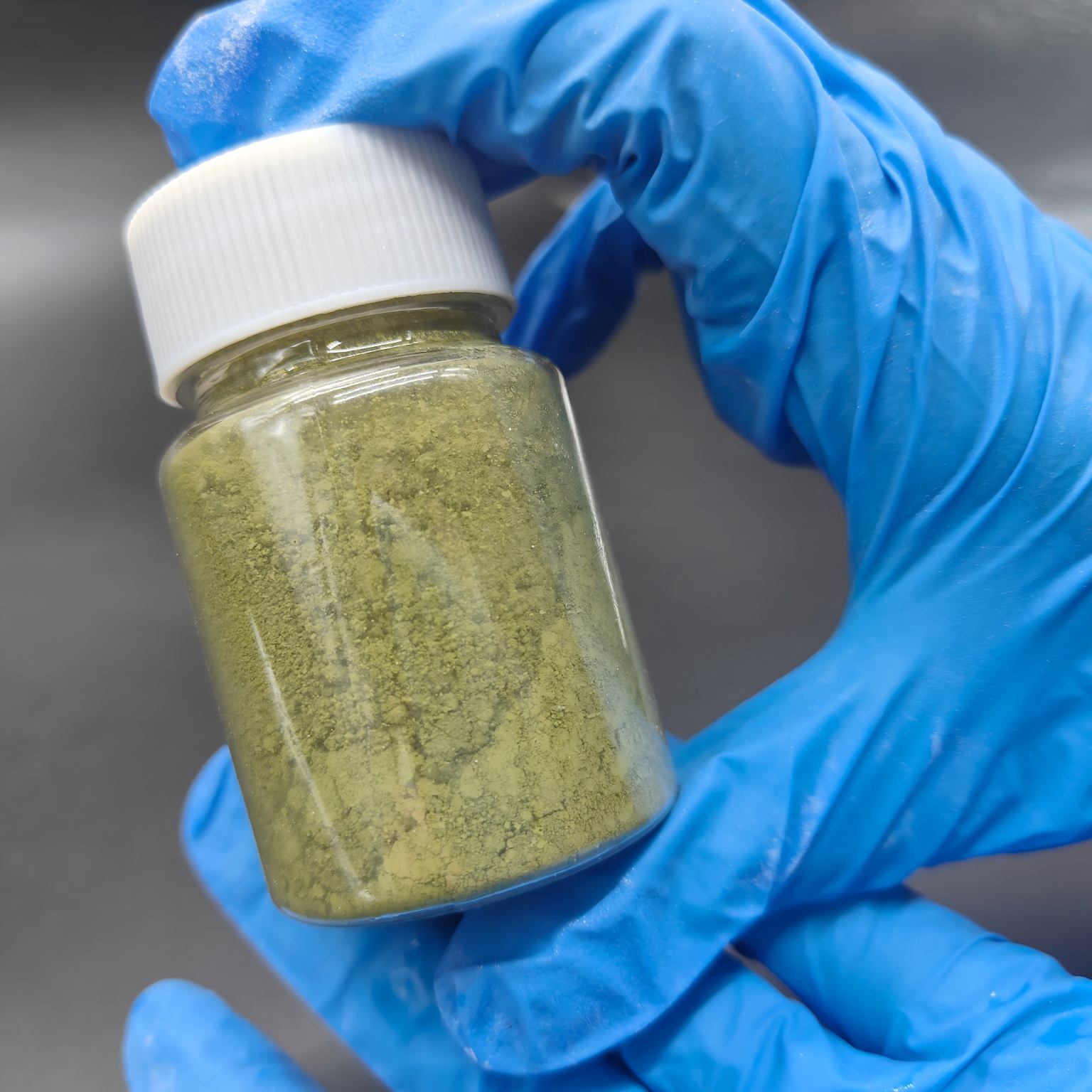
    In the fields of industrial and marine protection, the pursuit of high-efficiency, safe, and environmentally friendly fungicides and mildew inhibitors has always been an industry goal. Copper Pyrithione (CuPT), a fine green powder, is becoming a vital choice for global coatings, marine, construction, and pesticide industries due to its outstanding stability, broad-spectrum antibacterial properties, and low-toxicity, eco-friendly characteristics. Some of the industry leaders already benefiting from Copper Pyrithione’s exceptional performance include well-known companies such as Jotun, Hempel, National Paint, and DYO Paint. These major players in the coatings and paint industries rely on Copper Pyrithione as a key ingredient in their formulations, trusting its reliability and effectiveness in delivering high-quality, long-lasting protective solutions.   What is Copper Pyrithione (CuPT 98%)? Copper Pyrithione is a fine green powder that is insoluble in water, ensuring its longevity and effectiveness in various applications. It is a broad-spectrum fungicide and antimicrobial agent that is highly effective against fungi, bacteria, algae, and mildew. One of its standout features is its high stability, making it a long-lasting solution for preventing microbial growth on surfaces exposed to harsh environments. Its low toxicity to humans and animals, combined with its environmentally friendly nature, makes Copper Pyrithione a preferred choice across multiple industries. With global awareness growing around sustainability, this product is playing an increasingly important role in reducing the reliance on more harmful chemicals, without compromising on performance.   Key Advantages of Copper Pyrithione High Stability: Maintains chemical properties under various environmental conditions, ensuring long-lasting protection. Broad-Spectrum Efficacy: Exhibits significant inhibitory effects on both fungi and bacteria, making it suitable for a wide range of applications. Low Toxicity and Environmental Friendliness: Compared to traditional fungicides, it has a lower environmental impact, aligning with modern green chemical standards. Water-Insoluble: Easily disperses uniformly in oil-based systems (e.g., coatings, paints) for sustained effectiveness.   Wide Range of Copper Pyrithione Applications 1. Marine Antifouling Paints As a non-toxic marine biocide, Copper Pyrithione effectively prevents marine organisms from adhering to ship hulls, extending vessel service life and improving navigation efficiency. 2. Architectural and Industrial Coatings When added to architectural coatings, it provides long-term protection against mold growth on walls, roofs, and other damp surfaces, maintaining building aesthetics and structural integrity. 3. Metal Processing and Corrosion Protection Incorporating Copper Pyrithione into metal treatment fluids effectively inhibits bacterial and fungal erosion, protecting metal surfaces and extending the lifespan of workpieces. 4. Pesticides and Wood Preservation As a low-toxicity fungicidal component, it can be used in environmentally friendly pesticide formulations and wood preservative treatments, providing safe and reliable protection against mold and pests.     Copper Pyrithione (CuPT 98%) represents the forefront of modern fungicidal and anti-mildew technology—pursuing high efficiency while upholding responsibility toward the environment and health. Whether for marine antifouling, architectural protection, or industrial processing, it delivers reliable and green solutions. Choose Copper Pyrithione for long-lasting, safe, and sustainable protection. Feel free to contact us for more details via info@aabindustrygroup.com or WhatsApp +86 13951823978.
  • CAB Pigment Chips is Replacing Grinding Pigment Paste
    CAB Pigment Chips is Replacing Grinding Pigment Paste Dec 25, 2025
    In the inks and industrial coatings sectors, color performance and stability have always been key factors in determining product quality. Traditional pigment dispersion methods often rely on color pastes, but color pastes present many challenges during production and usage, such as high investment costs, short shelf life, and sedimentation. Now, the advent of CAB Pigment Chips has provided a revolutionary solution for the industry. These chips not only simplify the production process but also deliver outstanding performance and environmental benefits, making them the preferred choice for automotive OEM paints, touch-up paints, 3C products, mobile coatings, and high-end inks.   What Are CAB Pigment Chips? CAB Pigment Chips are granular color dispersion made by pre-dispersing carefully selected pigments in medium-viscosity CAB resins (such as CAB381-0.5/551-0.2). They do not require milling and can achieve full pigment wetting and uniform dispersion, ensuring vibrant color and high transparency. All pigments used are rigorously selected to meet the demanding requirements of industries that prioritize weather resistance, stability, and environmental sustainability. Furthermore, CAB Pigment Chips are free from any additives, making formula formulation more flexible and easy.     Outstanding Advantages of CAB Pigment Chips Superior Dispersion, Strong Color PerformanceCompared to traditional grinding dispersion methods, CAB Pigment Chips achieve more uniform and finer pigment dispersion. The pigment particles are fully wetted, which enhances the tinting strength, vividness of the hue, and imparts excellent gloss and transparency to the film. Whether it's the dazzling shine of automotive paint or the premium feel of 3C products, CAB Pigment Chips can easily meet these high demands. Simplified Process, Reduced CostsTraditional color paste production requires expensive milling equipment and dedicated production lines, whereas CAB Pigment Chips only need a high speed mixer machine and a container to quickly dissolve and use. This "instant dissolve" characteristic significantly reduces equipment investment and production costs while improving production efficiency and flexibility. Whether for small-batch or large-scale production, CAB Pigment Chips provide exceptional adaptability and convenience. Outstanding Stability, Worry-Free StorageColor pastes typically have a shelf life of only 2-3 months, during which they are prone to aggregation, sedimentation, or re-coarsening, negatively impacting product quality. CAB Pigment Chips, on the other hand, remain stable during storage and are less likely to deteriorate. They can be stored for long periods without worry, truly enabling "instant dissolve" and completely solving the storage issues in the industry. Stable Systems, Wide ApplicationThe coatings or inks made with CAB Pigment Chips exhibit excellent system stability, with pigments resistant to sedimentation, ensuring consistent and reliable product performance during use. These chips are suitable not only for traditional solvent-based systems but also effectively solve the flocculation issues in waterborne industrial paints, expanding their application range. Whether for waterborne or solvent-based systems, CAB Pigment Chips deliver superior performance for a variety of industrial needs. Environmental Friendliness and SustainabilityBy using carefully selected pigments and a formulation free of additives, CAB Pigment Chips provide high performance while fully meeting environmental regulations. They help companies achieve sustainable development goals by supporting eco-friendly production practices, making them an ideal choice for green manufacturing.   The Future Potential of CAB Pigment Chips CAB Pigment Chips are not only a breakthrough in pigment dispersion technology but also a valuable tool for optimizing production processes and enhancing product quality. They address many of the issues associated with traditional color pastes, such as poor storage stability, high investment costs, and insufficient dispersion. By using CAB Pigment Chips, manufacturers can improve production efficiency, reduce costs, and ensure the stability of final product quality, meeting consumer demands for high-quality coatings and inks.     The introduction of CAB Pigment Chips marks a technological revolution in the coatings and inks industries. From improving pigment dispersion and color performance to optimizing production processes and meeting environmental requirements, they offer manufacturers a simpler, more eco-friendly, and highly efficient solution. Choosing CAB Pigment Chips will make your products more competitive in the market and bring greater convenience and value to your production. Start using CAB Pigment Chips today to streamline your production, elevate product quality, and help your brand stand out in the market! Feel free to contact us for more details via info@aabindustrygroup.com or WhatsApp +86 13951823978.
  • Our CAB-381-0.5 CAB-381-2 CAB-381-20 are in best-selling in Asian-Pacific!
    Our CAB-381-0.5 CAB-381-2 CAB-381-20 are in best-selling in Asian-Pacific! Sep 18, 2025
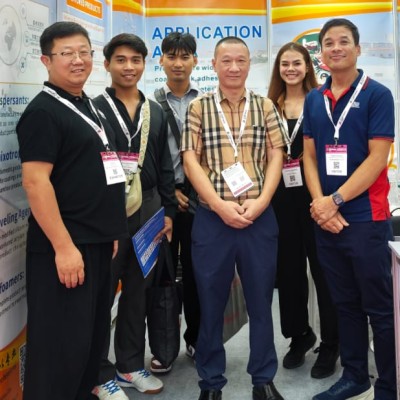
    " Hi Bruce, can you share some cases who are using your CAB-381-0.1, CAB-381-0.5, CAB-381-2, CAB-381-20, CAB-551-0.01, CAB-551-0.2, such as PPG, Alxata, Basf, KCC, Sherwin williams, Nippon, DIC, Siegwerk, Flint group and so on?" That's what visitors asked lots In the 2025 Asian-Pacific coatings show in Thailand. As we know that Eastman dominate the CAB resin market for very long time, there are no other such manufacturers until our CAB resin factory begun to produce those most popular models in the market for industrial paint and Print Ink. The market suffered for limited supply, long delivery time, and expensive purchase cost. So customers in Asian-Pacific are eager to find fast response and reliable new supply channels.  In the coating show, we introduced our best selling models such as CAB-381-2,  CAB-381-20, CAB-551-0.2 to our automotive paint customers in Thailand, which have been highly recognized by local customers and agent. Also our CAB-381-0.1, CAB-381-0.5, CAB-551-0.2 are used by two of the local top 5 manufacturers.   During the discussion with our potential Customers, they showed a concern about our capacity and quality stability. We shared our annual capacity, automatic production control system, quality management system and so on. Currently our  Cellulose Acetate Butyrate CAB-381 and CAB-551 annual capacity is 10000 tons and Cellulose Acetate CA 6000 tons. Our CAB products exported to in Europe, southAmerica, EastAsia, SouthEast Asia, the Middle East,Russia,Taiwan, etc.   After our introduction, local customers and famous chemical distributors had more confidence and asked for samples for testing. Some big paint factories begun to give trail orders and so on. If you are in great demand of CAB-381 and CAB-551 series, or you face high purchase cost, or unstable supplier Chain, feel free to contact us by info@aabindustrygroup.com for Chinese high performance cost CAB reins products.  
  • Competive Antimicrobials solution for Marine  antifouling paints & coatings
    Competive Antimicrobials solution for Marine antifouling paints & coatings Jun 05, 2025
    On June 4, the LPG liquefied petroleum gas carrier Navigator Umbrio, owned by Navigator Gas, officially became the 5,000th vessel to be coated with Hempaguard anti-fouling paint. This marks Hempel's outstanding achievements in the field of marine coatings and also highlights the company's significant contributions to promoting sustainable development in the shipping industry.   As we know, in the sea water environment, the surface of the ship is easily attached by organisms such as algae, shells, and barnacles, which not only increases the weight and resistance of the ship, but also causes corrosion and damage to the hull, while increasing fuel consumption and CO₂ emissions.  Anti-fouling coatings are an important type of can prevent the attachment of Marine organisms, reduce the resistance of water flow and prolong the service life of ship. AAB Industry Technology group and its investors accumulate lots Supply experience to corporate with those influencial anti-fouling coatings companies as RC coating, Litum(who purchased Hempel, Jotun, PPG's factories in 2023), DYO and so on in the past 5 years. Our high-performance zinc acrylate ZPT and Copper Pyrithione CPT,  Self-polishing resin and antifouling biocide tralopyril offere an effective  and long-lasting protection against biofouling. For more details or free sample to supprt your project or products development, feel free to contact us.
  • Why did many paint factories give up grinding pigment paste and chose CAB pigment chips to produce pigment paste?
    Why did many paint factories give up grinding pigment paste and chose CAB pigment chips to produce pigment paste? Jul 19, 2025
    In recent years, large coating companies in Asia (China, Japan, South Korea, India, etc.) have been accelerating their transformation, gradually abandoning in-house grinding pigment paste with machines line, and instead directly purchasing Pigment Dispersions such as CAB pigment chips, water based solid pigment dispersion. This trend is driven by multiple factors, including cost, efficiency, environmental protection, and technology.   In the past, paint manufacturers typically sourced their own materials and purchased sand mills lines for grinding themselves. However, this approach often resulted in suboptimal formulations. Additionally, due to outdated machinery, issues such as machine blockages and color changes during disassembly can lead to material wastage. For example, a 30-ton capacity sand mill can cause an average of 5-10 kilograms of wastage, and during color changes, rinsing can result in wastage rates as high as 5%-10% when grinding 200-300 kilograms. Many manufacturers previously did not consider material wastage, labor costs, or inventory costs, focusing solely on raw material costs. The more inventory is held in the warehouse, the greater the consumption of workshop logistics, as well as the higher the costs associated with space, labor, and inventory. Additionally, while paint factory engineers are highly skilled in paint formulations, they have not conducted in-depth research into the chemical structure, colorfastness, heat resistance, color bleeding, and environmental performance of organic pigments. Relying solely on paint factories to resolve issues related to color paste stability and compatibility presents significant challenges.   As a result, several Asian paint manufacturers have gradually abandoned in-house color paste production and shifted to purchasing finished color paste. According to Nippon Paint's 2023 annual report, since closing its color paste production lines in 2022, production costs have decreased by 18%, and delivery cycles have been shortened by 40%. Asia Coatings also stated that since purchasing ready-made color pastes, the development cycle for new products has been reduced from three months to one month, significantly improving production efficiency.   Compared to self-grinding color paste, purchasing finished color paste or pigment dispersion to solve pigment paste directly has the following advantages: Comparison dimensions Self-developed color paste Finished colorant Advantage Analysis Production cost High (equipment + energy consumption + labor) Low (large-scale procurement) Save 20%+ on costs Production cycle 8-12 hours/batch Ready to use 80% increase in efficiency Color stability Δe>1.0 (prone to deviation) Δe<0.5 (industrial standard) Ensuring product quality stability Environmental compliance Need to build own wastewater/voc treatment facility Suppliers are compliant Reduce regulatory risk   Can we continue to supply high-quality products and services? Can we solve fundamental problems faced by customers, such as stability and compatibility? How can we help customers solve problems such as environmental protection, inventory backlogs, and excessive standards? China AAB Group thought about this early on and put it into practice. As a professional chemical raw material supplier, China AAB Group provides high-performance finished colorant such as CAB pigment chips, Water based solid pigmet pre dispersion and water based nano grade pigment paste to help paint and coatings companies reduce costs and increase efficiency.Our products have been exported to many European countries and have been recognized by Turkish customers on numerous occasions. ✅ High color saturation — covers Pantone and RAL standard color systems, ΔE<0.5 ✅ Ready-to-use formula — no grinding required, add directly to save time ✅ Environmentally friendly and compliant — complies with REACH and GB 24409-2020, no heavy metal excess ✅ Customized service — supports water-based/oil-based/UV systems, matches different resins   Our products are widely used in: Architectural paint color paste—high weather resistance, suitable for interior and exterior walls Industrial paint color paste—UV resistance, chemical corrosion resistance Automotive refinish paint color paste—precise matching of OEM colors   We can supply multiple pigment dispersion models and customize packaging specifications according to customer requirements. China AAB Group's absolute professionalism in color paste production and supply ensures a precise response to customer needs: "Customers have many requirements, but as long as there is sufficient volume, we can establish a standard for them. We can also tailor solutions to meet specific customer requirements. Whether it's formula development, pilot-scale and large-scale production experience, process optimization, equipment maintenance and repair, or material quality assurance, we are continuously enhancing our expertise and control capabilities. If you are interested in our products and require additional product information, please feel free to contact us to request free sample testing.
  • Professional Copper Pyrithione - Successfully Exported to Europe Multiple Times
    Professional Copper Pyrithione - Successfully Exported to Europe Multiple Times Jul 01, 2025
    Recently, China AAB Group's Copper Pyrithione Powder is once again ready to be shipped to Europe. Previously, China AAB Group's copper pyrithione products have been successfully shipped to Europe many times and have been recognized by customers. Copper pyrithione (CuPT) is a broad-spectrum and highly effective bactericidal preservative. With its excellent antifungal and antibacterial properties, it has become a core additive in the industrial and consumer product fields. As an industry-leading chemical exporter, we are committed to providing global customers with high-quality copper pyrithione that meets international standards. It is widely used in ship antifouling paints, industrial coatings, personal care products and textile anticorrosion fields, helping companies improve product durability and safety.    China AAB Group offers two specifications of copper pyrithione: Copper Pyrithione Dispersion and Copper Pyrithione Powder.The export to Europe this time is Copper Pyrithione Powder, we also called it Copper Umiguard Powder, which is a dust-free olive green copper pyrithione dispersed in a viscous paste with fine particles.It is composed of Copper Pyrithione Powder, rosin, and 1,2-dichlorobenzene.   Specifications Property Powder Color Olive green Odour odorless Copper Pyrithione, Min (%) >98 Particle Size  D50 (um) 4.8-8.0 Particle Size  D90 (um) 5.0-10 Molecular Weight g/mol 315.85 Flash point Not applicable Boiling range 273 - 280 °C Density (g/cm3) 1.82 Water solubility(20℃)g/l 0.001   General attributes: It exhibits significant growth inhibitory activity against both broad-spectrum Gram negative and Gram positive bacteria. Inhibit the growth of fungi, including yeast and mold. Insoluble in water, approximately 1ppm at pH 7.0. The solubility in solvents is very low, usually below 10ppm. Inhibit algae growth.    Core application areas: Shipping and marine industry: key component of antifouling coatings, effectively preventing algae and fungi from attaching to the hull Industrial coatings and plastics: extending the weathering life of outdoor facilities and building materials Personal care products: high-end anti-dandruff shampoo, preservatives (need to comply with regulatory requirements) Textile processing: antibacterial fibers, outdoor functional fabric additives.   Why choose us Excellent quality assurance Passed ISO 9001 quality management system certification, product purity ≥ 98%, heavy metal impurity content is strictly controlled within IMO (International Maritime Organization) and EPA standards, ensuring compliance access to the global market. Long-term antiseptic performance Extremely low addition (0.5%-2%) can achieve strong antibacterial effect, water resistance and chemical stability far exceed traditional preservatives, significantly reducing customers' comprehensive use costs. Environmental protection and safety Comply with EU BPR (Biocide Regulation) and China's new chemical substance environmental management registration requirements, provide a full set of MSDS, REACH registration documents and environmental certification support. Lexible trade terms  Provide flexible trade terms (FOB/CIF), and ensure delivery timeliness.   Transportation and storage: Packed in 80kg stainless steel drum with 20kg high-density polyethylene bag inside. Enclosed Spaces are stored separately and the warehouse is kept as dry as possible.   Get technical documents and samples immediately! E-mail: info@aabindustrygroup.com Tel: +86 13951823978(WhatsApp,Telegram)  
1 2 3

A total of3pages

Corporate Culture

Persisting on the operation concept of "Pursue honesty and quality at the same time, win hearts and profits together", the China AAB group’s people insist on the enterprise spirit of “environmental-friendly and continuous innovation, and dedicates service to all followers and customers around the world.” we have become long-term stable suppliers for many paint giants in the Europe, North American, the Middle East, Southeast Asia, Japan, South Korea and other countries and regions.
Read more
homepage

Need Help? Chat with us

Leave A Message
If you are interested in our products and want to know more details,please leave a message here,we will reply you as soon as we can.
Submit
Contact us #
+86 13951823978

home

products

whatsApp

Contact Us

Need Help? Chat with us

Start a Conversation

Hi! Click one of our members below to chat on