Beyond the Nitrocellulose Crisis: Why CAB is the Safe & Stable Choice for Inks
Mar 20, 2026
In July 2025, the global printing ink industry was once again confronted with rising raw material costs. On July 3, 2025, Sun Chemical announced a price increase across its entire portfolio of nitrocellulose-containing products in Europe, the Middle East, and Africa, citing “significant raw material cost increases.”January 28, 2026 – Sun Chemical Packaging and Graphics will implement a price increase across its portfolio of nitrocellulose containing products in Latin America, driven by sustained and significant increases in nitrocellulose costs. The adjustments take effect immediately, or as stipulated in existing customer agreements, with the level of increase varying by product type and nitrocellulose(NC) content. (Source: Sun Chemical Official Website)
Nitrocellulose, also know as NC, is a key functional resin in traditional solvent-based inks. It delivers excellent printability, leveling, fast-drying performance, and effective fixation of metallic or pearlescent pigments. However, nitrocellulose is classified as a flammable and explosive hazardous material (UN2556, Class 4.1), requiring extremely stringent conditions for transportation and storage. Even a slight oversight can lead to safety incidents.
If price increases can still be absorbed through cost pass-through, the inherent nature of nitrocellulose presents a safety hazard that can never be circumvented.
On August 12, 2015, the massive explosion at the Tianjin Port claimed 165 lives and injured 798 people. One of the direct causes of the accident was the accelerated decomposition of nitrocellulose stored in containers under high temperatures, leading to heat accumulation, spontaneous combustion, and ultimately the explosion.
Nitrocellulose slowly decomposes and releases heat at room temperature. Its decomposition accelerates above 40°C, and spontaneous combustion may occur at approximately 180°C. During transportation, it must be kept away from high temperatures, direct sunlight, and open flames. Loading and unloading require strict avoidance of collision and friction, and it must not be mixed with other flammable or explosive materials. These stringent requirements have always been a "Sword of Damocles" hanging over industrial production and logistics practices.
Facing the dual pressures of rising nitrocellulose prices and supply constraints, the ink industry has begun actively seeking alternatives. CAB (Cellulose Acetate Butyrate) has emerged as one of the most attractive alternatives. CAB is a cellulose derivative modified with special functional groups, capable of maintaining high ink performance while significantly enhancing safety and environmental friendliness.
Why Choose CAB(Cellulose Acetate Butyrate) for Inks?
CAB (Cellulose Acetate Butyrate) acts as a functional additive in the ink industry. Its mechanism of action is similar to that of nitrocellulose, yet it avoids the latter's fatal flaws.
Control of Solvent Release and Drying Speed
CAB can precisely regulate the drying process of ink on printing substrates, enabling instant drying required for high-speed printing. This prevents issues such as set-off, smudging, or plate blocking, while maintaining the gloss and adhesion of the ink layer.
Improved Flow and Printability
CAB reduces ink viscosity and optimizes flow, allowing the ink to better fill printing plates. It also promotes rapid leveling, forming smooth ink films and enhancing dot sharpness and print accuracy.
Fixing of Metallic and Pearlescent Pigments
In metallic or pearlescent inks, CAB quickly locks flake pigments in place, ensuring high brightness and uniform metallic effects, while preventing uneven sparkle or cloudiness.
Enhanced Pigment Dispersion and Stability
CAB improves pigment wetting and dispersion, preventing settling or flocculation, and enhancing color consistency and gloss in printed materials.
Improved Film Surface Properties
By increasing hardness and scratch resistance, CAB protects printed materials during subsequent processing, transportation, or stacking, while also improving gloss and anti-blocking performance.
Adhesion and Chemical Resistance
CAB provides excellent adhesion to non-absorbent substrates such as PE, PP, PET, PVC, and metallic foils. It also enhances the ink film’s resistance to oils, alcohol, and weak acids or bases, making it suitable for high-standard applications such as food and cosmetic packaging.
High Formulation Compatibility
CAB is compatible with nitrocellulose, polyamide, acrylic resins, and various solvents, allowing it to be used as a versatile modifier in a wide range of solvent-based ink formulations.
Top CAB Solutions as Alternatives to Nitrocellulose
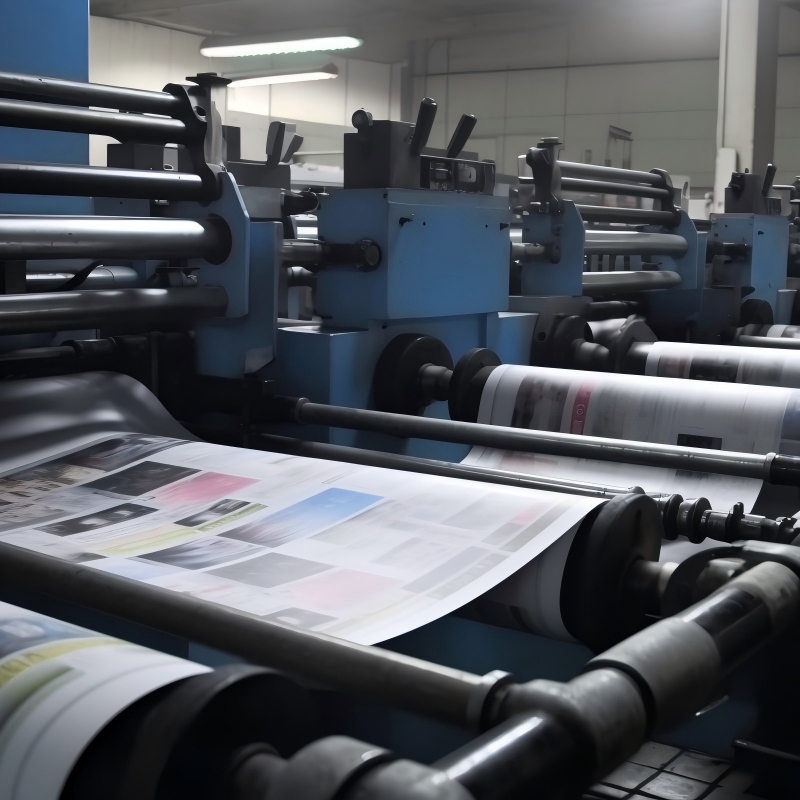
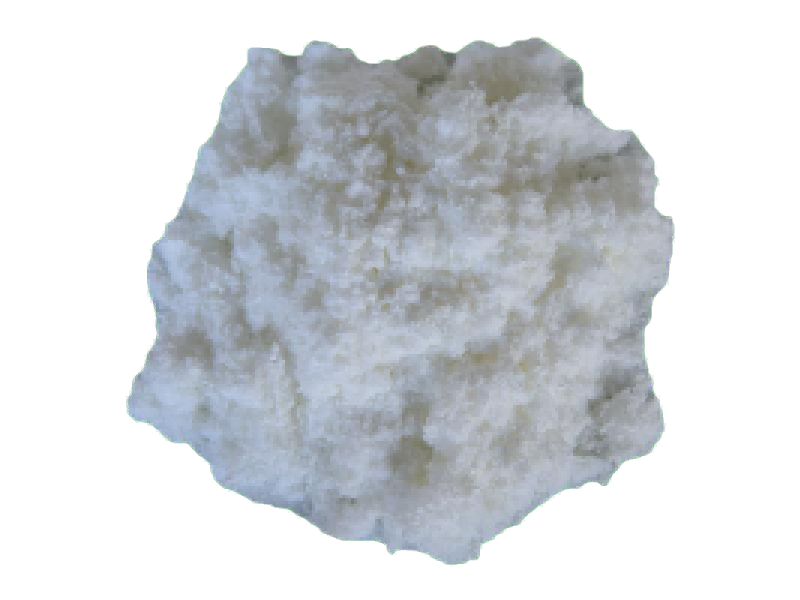
Our CAB-400, CAB-500, CAB-600, CAB-800, and CAB-900 series products are all finely processed and supplied in powder form, posing no hazardous risks. The films produced from these materials exhibit both high toughness and excellent chemical and oil resistance. They are widely applicable in various ink systems, including Flexographic Printing Inks, Screen Printing Inks, and Gravure Printing Inks. These products can effectively replace the functionality of nitrocellulose in printing inks, while eliminating the safety risks associated with its transportation and storage.
In the long term, the nitrocellulose shortage is no short-term fluctuation. As geopolitical tensions persist, military demand will not subside, and the civilian supply of nitrocellulose will remain under sustained pressure. Meanwhile, global attention to industrial safety continues to intensify. The lesson of Tianjin Port serves as a stark reminder: beyond performance and price, safety must be a core consideration in supply chain decisions.
The replacement of nitrocellulose with CAB is not a stopgap measure, but an inevitable direction driven by technological evolution and safety upgrading. For ink manufacturers and printing companies, now is the optimal time for proactive transformation—not only to address the current raw material crisis, but also to build a safer, more stable, and more sustainable future.