• Comparison of Three Anti-Sagging Technologies: Sag Control Agent SCA resins, Fumed Silica and CAB
    Comparison of Three Anti-Sagging Technologies: Sag Control Agent SCA resins, Fumed Silica and CAB Sep 11, 2026
    Sag control on vertical surfaces is a long-standing challenge in industrial coatings. Formulators generally turn to one of three approaches: anti-sag (flow control) resins, fumed silica, or cellulose acetate butyrate (CAB). All three can prevent a wet film from running, but their mechanisms, effects on film properties, application windows, and formulation efficiency differ considerably.   1. Chemical Nature and Role in the Coating Material Chemical category Functional role Anti-sag resins Modified polyester or acrylic resins containing built-in rheology-control groups (e.g., urea, polyamide, or hydrogen-bonding segments) Reactive binders that become part of the film network during cure Fumed silica Inorganic amorphous SiO₂, often surface-treated to be hydrophilic or hydrophobic Non-reactive particulate additive that builds a physical thixotropic network CAB Cellulose ester thermoplastic Auxiliary film-forming resin that raises viscosity through solvent release and chain entanglement The key difference lies in where the sag-control function resides. Anti-sag resins are chemically integrated into the polymer matrix. Fumed silica remains a dispersed solid. CAB stays physically blended as a secondary resin.   2. Anti-Sag Mechanisms Anti-sag resins rely on reversible associations between active groups, typically hydrogen bonds. Under spray shear, these associations break and viscosity drops, allowing good atomization. Once the film is at rest, they re-form quickly, generating enough yield stress to resist sag. The network behaves as a dynamic, shear-reversible gel. Fumed silica works through particle–particle interaction. Primary nanoparticles aggregate into chain-like structures, and surface silanol groups hydrogen-bond into a three-dimensional network. Shear disrupts this network; when shear stops, it rebuilds. The mechanism is purely physical and thixotropic. CAB contains no dedicated sag-control group. It builds viscosity mainly by releasing solvent rapidly during early drying, which shortens the time window in which sag can occur. Chain entanglement adds some low-shear thickening.   3. Impact on Final Film Properties Property Anti-sag resins Fumed silica CAB Gloss & DOI Maintained or improved; no light-scattering particles Can reduce gloss and DOI at effective loadings Generally neutral; may slightly aid leveling Transparency Excellent, especially in clearcoats Often causes turbidity Good, though high loadings may affect clarity   Hardness / scratch Participates in crosslinking and can improve hardness Inert; may reduce abrasion resistance Raises initial hardness but does not crosslink Chemical resistance Enhanced through chemical bonding Little improvement; may create solvent pathways Limited; thermoplastic and can redissolve Weathering Good, depending on resin chemistry Excellent, being inorganic Excellent non-yellowing, but long-term degradation is possible Flexibility Tailorable through resin design Inert; may embrittle at high loading Moderate   4. Efficiency and Typical Loading Anti-sag resins are often highly active. A grade with 5–6% active content can deliver effective sag control at only 1–3% on resin solids—frequently 30–50% less than the fumed silica level needed for comparable performance. Fumed silica is typically used at 0.1–2% of the total formulation, but heavy builds may require more, with consequences for rheology and appearance. CAB is usually added at 5–20% on resin solids for other functions; its contribution to sag resistance is indirect and moderate.   5. Application Suitability Application Anti-sag resin Fumed silica CAB Automotive clearcoats (high DOI) Preferred Rarely used because of haze risk Not suitable for high-build clearcoats Metallic basecoats Good; also helps flake orientation Possible, but can disturb metallic effect Preferred for flake alignment High-solids industrial primers Very effective Commonly used Limited Plastic coatings Suitable in low-cure variants May cause surface defects Used for adhesion and hardness Waterborne systems Special grades available Hydrophobic grades recommended Limited compatibility     6. Formulation and Processing Considerations Anti-sag resins are liquids and are usually easy to incorporate. Fumed silica demands high-shear mixing for proper dispersion. CAB is supplied as flakes or pellets and must be pre-dissolved. Storage behavior also differs. Anti-sag resins tend to hold their performance. Fumed silica networks can coarsen over time, causing loss of thixotropy. CAB solutions may show viscosity drift. Compatibility is another practical factor. Anti-sag resins are designed for acrylic, polyester, and polyurethane systems. Fumed silica must be matched to solvent polarity through the correct surface treatment. CAB is compatible with many systems, but overuse can impair intercoat adhesion.   7. Selecting the Right Approach   Primary requirement Recommended technology Highest gloss, clarity, and DOI in clearcoats Anti-sag resin Minimal loading in rugged industrial primers Fumed silica, often combined with anti-sag resin for synergy Metallic effect control plus moderate sag resistance CAB, or CAB plus anti-sag resin for best results Balanced performance without compromising film integrity Anti-sag resin, which supports rather than degrades film properties Fast solvent release and early hardness CAB, paired with another anti-sag agent for high film builds   Conclusion Anti-sag resins, fumed silica, and CAB all address sag, but through very different chemical and physical routes. Anti-sag resins combine rheology control with film performance, making them well suited to premium automotive and industrial topcoats. Fumed silica remains valuable in heavy-duty systems where appearance is less critical. CAB excels in metallic basecoats and applications that benefit from rapid solvent release. Understanding these differences helps formulators choose the right tool—or the right combination—for each coating challenge. No single technology is universally superior, but anti-sag resins stand out where performance and aesthetics must both be maximized.
  • Wetting and Dispersing Agents in Coatings: Types, Dosage & Usage Guide
    Wetting and Dispersing Agents in Coatings: Types, Dosage & Usage Guide Sep 14, 2026
    Our high performance cost Wetting and dispersing agents are specially developed for white pigments Titanium dioxide, iron oxide pigments, high-pigment carbon black, organic pigments and fillers to be uniformly distributed in the liquid medium, preventing flocculation, settling, and surface defects. In coatings, pigment dispersion directly affects color strength, gloss, hiding power, and storage stability. Wetting and dispersing agents help pigments and fillers distribute evenly in the liquid medium, preventing flocculation, settling, and surface defects. This guide outlines the main types, dosage, and usage.   How They Work: Wetting vs. Dispersing Wetting displaces air and moisture from pigment surfaces, allowing the medium to spread over the particles. Dispersion breaks agglomerates into primary particles and keeps them stable. Stabilization relies on electrostatic repulsion and steric hindrance. Modern polymeric dispersants often combine both mechanisms. Main Types of Wetting and Dispersing Agents Anionic dispersants carry negative charges and work well for positively charged pigments. Carboxylates, sulfonates, and phosphate esters are common; polyacrylate salts are widely used in water-based systems. Cationic dispersants carry positive charges and suit negatively charged pigments, such as quaternary ammonium salts for carbon black. Non-ionic dispersants have no charge, resist pH changes, and provide steric stabilization. Polyoxyethylene ethers and PEG esters are typical; Triton X-100 is a common wetting agent. Amphoteric dispersants contain both charges—betaine derivatives, for example—and offer broad compatibility. Polymeric/high-molecular-weight dispersants are the most advanced. Multiple anchoring groups bind strongly to pigment surfaces, while long chains provide steric stability. Examples include acrylic copolymers, polyurethane, polyester/polyamide, and hyperbranched polyesters. They reduce viscosity and allow higher pigment loading. Kabasph® KBS-6040 and KBS-6062B are examples.     Pigment Type Recommended Dosage (active on pigment weight) Notes     Inorganic pigments (TiO₂, iron oxides) 0.5% – 5% Lower surface area     Organic pigments 10% – 45% Higher surface area     Carbon black (LCF) 15% – 20% High surface area, difficult     Carbon black (HCC) 50% – 80% Very high surface area, maximum dispersant   Dosage Guidelines Optimal dosage is critical. Too little causes poor dispersion and flocculation; too much can cause foam, adhesion loss, and film defects. The ideal is a dense monomolecular adsorption layer. For solvent-based concentrates with unknown surface area, start at 2%–20% on pigment weight and adjust by testing.   Practical Usage Recommendations Add dispersants during dispersion or milling, before or with pigments and fillers, to maximize adsorption. Determine optimal dosage by plotting dosage against viscosity. Viscosity usually reaches a minimum at the best dosage, while gloss and color strength peak. Resins compete for pigment surface adsorption. Balance resin concentration: too high hinders anchoring; too low destabilizes the system.   System-specific guidelines: Solvent-based automotive/industrial coatings: Polymeric dispersants such as Kabasph-6161A (0.5–2.5% of formula) stabilize carbon black and organic pigments in PU and baking systems. Water-based architectural coatings: Acrylic copolymer dispersants (0.3–1.0%) stabilize TiO₂ and extenders. Universal pigment concentrates: Multi-compatible dispersants (15–45% for organic pigments) enable resin-free pastes for solvent, water, and UV systems.   Key Selection Factors Pigment type: Inorganic pigments (TiO₂, fillers) → anionic or phosphate ester; organic pigments and carbon black → polymeric dispersants with multiple anchoring groups. Resin system: Ensure compatibility to avoid turbidity, separation, or poor adhesion. Solvent type: Hydrophilic solvents need different HLB values than hydrophobic systems. Application: High-gloss automotive finishes need low haze and high DOI; anti-corrosion primers prioritize rheology and film integrity. Regulatory compliance: APEO-free and low-VOC options are increasingly preferred.   AAB Group: Your Partner for High-Performance Dispersing Solutions With nearly two decades of expertise, China AAB Group (www.aabindustrygroup.com) offers wetting and dispersing agents under the Kabasph® brand. ISO 9001, 14001, and OHSAS 18001 certified, its 40,000 m² production base delivers 6,000 tons annually for automotive, industrial, marine, anti-corrosion, wood, and architectural coatings. Our product range includes: Kabasph-6161A: Solvent-free polymeric dispersant for automotive and industrial coatings, ideal for carbon black and organic pigments. Kabasph® KBS-6860: High-efficiency viscosity-reducing dispersant for TiO₂ and fillers (analogous to BYK-111). Kabasph® KBS-6110: Anionic dispersant for inorganic pigments in solvent-based and solvent-free systems, widely used in coil and automotive OEM coatings. Kabasph® KBY-6881: Universal dispersant compatible with water-borne, solvent-borne, and UV-curable systems. Kabasph® KBS-6173: Specialty polymer dispersant for carbon black and transparent red pigments, with strong adhesion in baking and heavy-duty anti-corrosion systems. AAB Group is committed to “pursuing honesty and quality, winning hearts and profits together.” We serve multinational paint manufacturers across Europe, North America, the Middle East, Southeast Asia, Japan, and South Korea with reliable, innovative, and sustainable additive solutions. For technical support, samples, or customized formulation assistance, contact info@aabindustrygroup.com or visit www.aabindustrygroup.com.
  • How to produce transparent blue tone White pigment paste with Kmeris micro titanium Dioxide?
    How to produce transparent blue tone White pigment paste with Kmeris micro titanium Dioxide? Sep 07, 2026
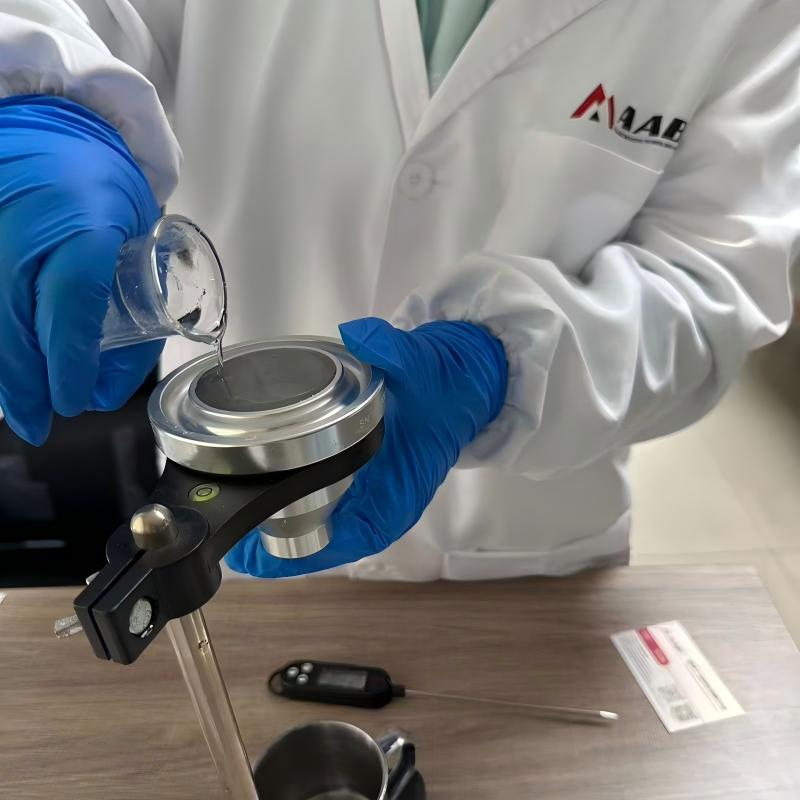
    High performance transparent blue tone White pigment paste is hard to grind for special particle structure. Today we would like to share a standard preparation method to produce transparent blue tone White pigment paste with Kmeris micro nano titanium dioxide micro Titanium Dioxide RM-530L, which Is alternative to UV-TITAN L 530. Based on the key principle that nano-materials require thorough wetting and grinding to break down agglomerates and achieve optimal dispersion. The below formulation and process outlined below are suitable for most automotive refinish coatings and general industrial solvent-borne applications. The following formulation is recommended for general solvent-borne systems, particularly suitable for automotive refinish paints:     Component Function Weight Percentage Solvent (Butyl Acetate) Solvent / Diluent 13.5% Kmeris Nano-Titanium Dioxide Pigment 30.0% Dispersant KBS-F500/50 Wetting & Dispersing Agent 5.0% Acrylic Resin Binder / Film-Former 51.5% Total   100.0%   Remark:   BYK-180 can be used as a substitute for KBS-F500/50. When substituting, the dosage of BYK-180 should be adjusted based on its performance characteristics. Corresponding adjustments should be made to the solvent content to maintain the total formulation balance. Below are the Equipment and Materials for your reference.       Item Specification / Requirement Bead mill / Sand mill Horizontal or vertical sand mill Grinding media Zirconia beads, diameter 1.0 – 1.5 mm Bead filling ratio 70% – 80% of mill chamber volume Mixing vessel Suitable container for pre-mixing High-speed disperser For pre-dispersion prior to milling After preparing the raw material and equipment, next is the Preparation Procedure. Step 1: Pre-Mixing Weigh all formulation components according to the percentages listed above. Charge the solvent (butyl acetate) into a clean mixing vessel. Add the dispersant (KBS-F500/50 or BYK-180) and acrylic resin to the solvent, and mix thoroughly until homogeneous. Gradually add the Kmeris nano-titanium dioxide powder to the liquid mixture while stirring continuously. Continue stirring at moderate speed until all pigment particles are wetted and a uniform paste is formed. If available, use a high-speed disperser at 1,500–2,500 rpm for 10–15 minutes to achieve initial dispersion and break down large agglomerates. Step 2: Bead Milling (Grinding) Transfer the pre-mixed paste into the sand mill hopper or feed tank. Ensure the mill chamber is filled with zirconia beads (1.0–1.5 mm diameter) at a 70%–80% filling ratio. Start the mill and circulate the paste through the grinding chamber. Operate the mill in recirculation mode — continuously circulating the paste until the required fineness is achieved. Step 3: Fineness Inspection Periodically take samples from the circulating paste. Measure the particle fineness using a Heitman gauge / grindometer (fineness of grind gauge). Continue milling until the desired fineness specification is reached (typically ≤ 5–10 μm for nano-TiO₂ pigment pastes, or as per the specific end-use requirement). Step 4: Discharge and Filtration Once the target fineness is achieved, discharge the finished pigment paste from the mill. If necessary, filter the paste through a screen or filter bag to remove any oversize particles or worn beads. Process Parameters Summary     Parameter Recommended Value Pre-mixing speed 1,500 – 2,500 rpm Pre-mixing time 10 – 15 minutes Bead size 1.0 – 1.5 mm (zirconia) Bead fill ratio 70% – 80% Milling mode Recirculation (loop milling) Milling temperature Monitor and control below 45–50°C to avoid resin degradation Target fineness As specified (typically ≤ 5–10 μm) Quality Control Checks After preparation, the following quality parameters should be verified:     Parameter Test Method Acceptance Criteria Fineness of grind Grindometer (Heitman gauge) As per specification Viscosity Ford cup or rotational viscometer Within target range Solid content Oven drying method Matches formulation Color strength Spectrophotometer vs. standard Acceptable tolerance Storage stability 7-day / 30-day aging test No settling or viscosity drift Notes and Recommendations Wetting is critical: Nano-titanium dioxide has a high surface area and strong tendency to agglomerate. Ensure the dispersant is fully dissolved in the solvent system before adding the pigment. Temperature control: During milling, friction may cause temperature rise. Excessive heat can degrade the resin or alter the dispersion quality. Use a cooling water jacket if available and keep the mill temperature below 45–50°C. Bead filling ratio: Maintaining 70%–80% bead fill is essential for efficient grinding. Lower fill ratios reduce grinding efficiency, while higher ratios may cause excessive heat generation or mill blockage. Dispersant adjustment: When using BYK-180 as a replacement for KBS-F500/50, the optimal dosage may vary. It is recommended to conduct a small-scale trial to determine the optimum dispersant level before full-scale production. Solvent adjustment: Any change in dispersant type or dosage should be compensated by adjusting the solvent content to maintain the total formulation at 100%. Storage: Store the finished pigment paste in sealed containers, away from direct sunlight and heat sources, to prevent solvent evaporation and skin formation.
  • What is the Critical Parameters for CAB Pigment Chips in Automotive Coatings?
    What is the Critical Parameters for CAB Pigment Chips in Automotive Coatings? Aug 22, 2026
    For automotive coatings, where durability, aesthetics, and application efficiency are paramount, the selection of CAB (Cellulose Acetate Butyrate) pigment chips hinges on several non-negotiable performance parameters. When evaluating these pre-dispersed pigments, leading manufacturers and paint formulators focus on:   1. Pigment Quality & Performance Color Strength & Clarity: The chip must deliver maximum color development with minimal pigment loading, ensuring vibrant, deep, and pure shades—critical for topcoats and solid colors. Weather Fastness & Lightfastness: For exterior automotive parts, pigments must exhibit exceptional resistance to UV radiation and atmospheric conditions to prevent fading, chalking, or color shift over the vehicle's lifespan. Heat Stability: The pigment must withstand the high temperatures encountered during paint curing and drying processes without degrading or altering color.   2. Dispersion Quality & Resin Compatibility Fineness of Grind (Dispersion Level): The degree of pigment dispersion directly impacts gloss, haze, and transparency. Poor dispersion leads to surface defects, reduced gloss, and color inconsistency. CAB Resin Compatibility: The chosen CAB resin grade (e.g., CAB-381-0.5, CAB-551-0.2) dictates the chip's solubility, viscosity, and compatibility with other coating resins (like acrylics, polyesters) used in the final paint formulation.   3. Application & Handling Properties Ease of Incorporation: The chip should dissolve readily in standard solvents, requiring low shear and minimal milling time, which streamlines the paint production process and saves energy. Batch-to-Batch Consistency: Tight control over pigment concentration, dispersion quality, and physical form (size, dust-free nature) is essential for reproducible color matches in production.   4. Regulatory & Sustainability Compliance VOC Content: Low-solvent or solvent-free solid chips help formulators reduce the overall VOC (Volatile Organic Compound) footprint of their paints. Certifications: Adherence to international standards like ISO 9001 (Quality), ISO 14001 (Environment), and OHSAS 18001 (Safety) assures a reliable and responsible supply chain. In the demanding world of automotive OEM, refinish, and interior/exterior decorative paints, perfection is not an option—it's a requirement. Every layer, every hue, and every finish must perform flawlessly against the rigors of time, weather, and use. That is why leading paint manufacturers across Europe, North America, the Middle East, and Asia trust Klarint Material Technology, a premier manufacturer of pre-dispersed pigment solutions under the China AAB group, to deliver that edge.   Our Transparent Nano CAB Pigment Chips are engineered to meet—and exceed—the most stringent parameters of the automotive industry. We don't just supply pigments; we provide a foundation of excellence for your coatings. Welcome to contact us for more discussion to working together to advance the High performance coloring Solutions industry.
  • From Assembly Line to Repair Shop: Can Kabasph® Aldehyde Resin Adapt to Every Automotive Coating Challenge?
    From Assembly Line to Repair Shop: Can Kabasph® Aldehyde Resin Adapt to Every Automotive Coating Challenge? Jul 31, 2026
    In the automotive coatings industry, every link—from the mirror-like gloss of a new car on the production line, to the fast turnaround of repair paints, and the precise delivery of personalized colors—places stringent demands on additive performance. As a high-performance synthetic aldehyde resin, Kabasph® Aldehyde Resin SH-98S, with its high gloss, high hardness, and excellent yellowing resistance, is delivering a solution that combines performance and cost-effectiveness across four core application scenarios in automotive coatings. Key Technical Specifications and Positioning Kabasph® Aldehyde Resin SH-98S is a white to light yellow transparent solid granular resin with the following key technical specifications: Parameter Typical Value Test Method Softening Point 90–105°C ISO 4625-1:2004 Gardner Color (50% solution) < 1 ISO 4630-1:2004 Acid Value ≤ 3 mgKOH/g ISO 2114:2004 Hydroxyl Value 50–80 mgKOH/g DIN 53240-2:1998 Density 1.10 ± 0.05 g/cm³ ISO 1183-1:2004(E)B Notably, Kabasph® Aldehyde Resin SH-98S maintains consistency with BASF's Laropal® A 81 in most specifications while offering a broader hydroxyl value range (50–80 vs. approximately 40), providing greater formulation flexibility. In universal colorant applications, material costs can be reduced by over 30% compared to similar imported products—a significant advantage for paint manufacturers pursuing cost-effectiveness.   Scenario 1: Automotive OEM Coatings – The Hardness and Weathering Cornerstone in Baking Systems OEM coatings represent the most important protective layer in a vehicle's lifecycle, enduring high-temperature baking on the production line and long-term exposure to UV radiation and climatic erosion. Kabasph® Aldehyde Resin SH-98S contributes to OEM coatings in three core aspects: Hardness and Scratch Resistance: Participates in the baking crosslinking network to enhance film surface hardness, effectively reducing scratch defects during assembly line handling. Gloss Enhancement: Its high refractive index imparts a deep mirror-like effect to the paint surface, meeting OEMs' stringent appearance standards for new vehicles. Weathering Improvement: Excellent light and thermal stability significantly retard UV-induced yellowing and chalking, ensuring long-lasting color durability even after years of outdoor exposure. For OEM formulators, SH-98S offers stable performance gains within the recommended addition range without requiring major alterations to existing processes.   Scenario 2: Automotive Refinish Paints – A Fast-Drying Solution for Time-Sensitive Quality Repair Recommended Addition Level: 2%–6% Refinish paints directly face the pressing reality of "time is money" in repair workshops. SH-98S precisely addresses three major pain points in this scenario: Reduced Drying Time: Accelerates solvent release and physical drying, particularly effective in low-temperature or high-humidity spot repairs, helping shops improve turnaround efficiency. Gloss and Hardness Matching: Ensures good visual and physical integration between the repaired area and the original OEM paint in terms of gloss and hardness, avoiding a "patched" appearance. Weathering Consistency: Since repair areas often have uneven film thickness and can become weak points for aging, the Aldehyde Resin SH-98S's weathering contribution effectively narrows the lifespan gap between the repaired zone and the surrounding paint. The product is applicable in various refinish systems including nitrocellulose, polyurethane, and amino baking enamels. Its broad compatibility allows performance upgrades without significant reformulation efforts.   Scenario 3: Motorcycle / Bicycle Paints – High Fullness Requirements for Small Surfaces Recommended Addition Level: 2%–6% Although motorcycles and bicycles have smaller coated areas than automobiles, users are equally sensitive to color vibrancy, film fullness, and outdoor weathering performance. Our Aldehyde Resin SH-98S plays a direct role here: Enhanced Fullness: Improves film leveling, giving curved components like frames and fuel tanks a rich, rounded visual effect that significantly elevates product grade. Weathering Assurance: As two-wheelers are often parked outdoors, SH-98S effectively inhibits chalking and gloss loss, maintaining color freshness over years of use.   Scenario 4: Universal Colorants (Grinding Resins) – A Cost-Reducing, Efficiency-Boosting Dispersion Engine Recommended Addition Level (liquid formulation): 30%–60% This is arguably SH-98S's most transformative application. As a grinding resin, it delivers a dual breakthrough: Dispersion Efficiency and Storage Stability: With excellent pigment wetting properties and low solution viscosity, SH-98S effectively reduces milling time, prevents pigment flocculation and re-agglomeration, and ensures consistent color strength and viscosity even after long-term storage. Significant Cost Reduction: While delivering performance comparable to imported alternatives, material costs can be lowered by over 30%—a tangible margin improvement for colorant producers.   Conclusion: Performance and Economic Value Across the Entire Value Chain From OEM coatings on new car production lines, to fast-drying refinish paints at repair terminals, to the delicate finishes on two-wheelers, and even the upfront preparation of colorants—Kabasph® Aldehyde Resin SH-98S provides differentiated solutions for the entire automotive coatings value chain from a single core chemistry platform. Its technical equivalence to Laropal® A 81, combined with significant cost advantages, makes it an ideal choice for automotive coating manufacturers pursuing both quality excellence and cost optimization.
  • Which CAB Resin Is Best for Your Automotive Coating Formulation?
    Which CAB Resin Is Best for Your Automotive Coating Formulation? Jul 24, 2026
    In automotive coating systems, a high-performance film must do more than just look stunning—it must also withstand the harshest environmental challenges, resist chemical attack, ensure flawless application, and deliver uncompromising durability over the long haul. As automotive finishing technologies advance—particularly in premium refinish, interior trim, plastic components, and high-end topcoats—CAB (Cellulose Acetate Butyrate) has earned its place as a value-driving functional resin that formulators increasingly rely on.   What does CAB resin do in automotive paint? CAB functions as a versatile performance enhancer—fine-tuning leveling, boosting gloss, accelerating drying, preventing sagging, and unlocking superior pigment dispersion. The result? Coatings that not only look exceptional but also perform reliably, coat after coat.   Selecting the right CAB grade for your automotive application, however, is anything but one-size-fits-all. It demands a deep understanding of your specific end-use requirements and formulation dynamics—and that's where informed expertise makes all the difference.   The first step in CAB selection isn't poring over technical data sheets—it's pinpointing the pain points in your formulation. In automotive coatings, CAB delivers core value across several key dimensions:   Ⅰ. What's your formulation's biggest headache—and can CAB cure it? Fast drying: CAB significantly shortens the tack-free time of coating films. Data shows that incorporating CAB into acrylic polyol clearcoats can reduce dust-free drying time by approximately 25%. This is especially critical in refinish applications—where body shops lack the high-temperature baking ovens used in OEM lines—because faster drying directly translates to higher throughput and quicker job turnaround.   Metallic pigment orientation: CAB promotes the parallel alignment of aluminum flakes and pearlescent pigments within the film, enhancing the flop effect (color travel) and giving metallic finishes a richer, more premium visual appearance.   Resist lifting: In basecoat systems, CAB acts as a barrier against solvent penetration from the overlying clearcoat, preventing the base layer from being "lifted" or swollen—a common cause of mottled or uneven color appearance.   Improved leveling and defect reduction: Functioning as a leveling aid, CAB minimizes surface imperfections such as cratering and orange peel, while boosting distinctness of image (DOI) for a mirror-like finish.   Weather resistance and anti-yellowing: CAB is inherently UV-stable, ensuring that clearcoats remain water-white and color-true over time—a non-negotiable requirement for automotive exterior finishes.   Ⅱ. How to know the key parameters of CAB?   The CAB grade designation—such as CAB-381-0.5—is itself the very first piece of information you need for selection, as it reveals the resin's three core parameters: 1. Butyryl Content – Dictates hardness and compatibility A higher butyryl content (e.g., the 551 series) delivers greater flexibility and broader compatibility with most coating resins, making it an ideal partner in versatile formulations. A lower butyryl content (e.g., the 171 series), on the other hand, yields higher film hardness and enhanced chemical resistance—perfect for applications where durability takes priority.   2. Hydroxyl Content – Determines reactivity High-hydroxyl grades can crosslink with curing agents to form a denser, more robust polymer network, offering superior film integrity. Low-hydroxyl grades remain more stable and are better suited for non-crosslinking systems, where simplicity and consistency are key.   3. Viscosity – Impacts application solids and leveling Low-viscosity grades (e.g., CAB-551-0.01) enable high-solids, low-VOC formulations without compromising flow, supporting modern environmental compliance. High-viscosity grades (e.g., CAB-381-20) provide superior rheological control and sag resistance, ensuring consistent film build even on vertical surfaces.   Ⅲ. Which CAB grade is right for your automotive application? One table tells it all. The table below outlines the most commonly used grades and their selection criteria for typical automotive coating scenarios:   Application Scenario Recommended Grade Key Advantages & Critical Data Typical Use Primer / Metallic Paint CAB-381-0.5 Versatile First Choice. Butyryl content 38%, balanced viscosity, offering good hardness, compatibility, and pigment orientation. Improves parallel alignment of aluminum and pearlescent pigments, enhancing metallic effect and flop index. CAB-321-0.1 Specialized for Re-solvent Resistance. Butyryl content 32.5%, low molecular weight, excellent re-solvent resistance. Protects the basecoat layer from solvent penetration by the clearcoat, preventing color mottling. CAB-381-2 Higher Hardness Control. Higher viscosity, provides superior film hardness and pigment orientation control. Used in basecoats or intermediate coats requiring higher hardness. Refinish / General Modification CAB-551-0.01 Ultra-Low Viscosity Leveling Agent. Lowest Tg, excellent compatibility. Significantly improves leveling, reduces cratering, and shortens tack-free time. Often used as a modifying additive. CAB-551-0.2 High-Compatibility Modifier. High butyryl content (~52%), good flexibility. Used in high-solids or UV-curable systems to improve flexibility and leveling. High-Durability Topcoat/Clearcoat CAB-553-0.4 High-Hydroxyl Crosslinkable Type. Alcohol-soluble, high hydroxyl content for crosslinking reactions. Provides high crosslink density, significantly enhancing chemical resistance and weatherability. Rheology Control / Sag Prevention CAB-381-20 High-Viscosity Rheology Modifier. High viscosity, primarily used as a rheological control agent. Adjusts paint viscosity to prevent sagging during vertical or thick-film application, improving workability. Automotive Plastic Component Coatings CAB-531-1 High Flexibility. High butyryl content (~50%), adapts to plastic deformation without excessive plasticizers. Used for coatings on bumpers, interior parts, and other plastic substrates, providing good flexibility and adhesion.     Ⅳ. Critical Practical Formulation Tips   Blending is Standard PracticeIn actual formulations, to simultaneously meet leveling, sag control, and hardness requirements, grades with different viscosities are often blended. For example, use CAB-381-0.5 for primary performance, with a small addition of CAB-381-20 to adjust viscosity and prevent sagging.   Solvent Selection and Dissolution Safety CAB is generally readily soluble in esters (e.g., butyl acetate) and ketones. To avoid precipitation, it is recommended to first dissolve the CAB thoroughly in strong solvents before adding hydrocarbon diluents. A classic dissolution formula is: 50% Butyl Acetate / 35% Xylene / 15% Isobutanol.   Moisture Prevention is CrucialCAB powder is hygroscopic. For moisture-sensitive polyurethane systems, dry the CAB or azeotropically dehydrate it with solvents before use to prevent bubbling in the film. Summary The core logic for selecting CAB is: Identify your formulation's primary objective (metallic orientation, fast drying, re-solvent resistance, or rheology control?), then understand the three key parameters of the grade (butyryl content, hydroxyl content, viscosity), and finally make the choice based on your specific application scenario. There is no "universal grade," but by following this systematic comparison and utilizing blending techniques, you can develop automotive coating solutions with excellent performance and processability. Welcome to contact us for CAB grade selection recommendations and testing methods.  
  • How to Choose the Right Cellulose Acetate Butyrate (CAB) for Wood Coatings? From Drying Speed to Hardness, Everything You Need to Know
    How to Choose the Right Cellulose Acetate Butyrate (CAB) for Wood Coatings? From Drying Speed to Hardness, Everything You Need to Know Jul 03, 2026
    In furniture finishing and wood coating formulations, cellulose acetate butyrate (CAB) has long been recognized as a high-performance additive. It promotes faster solvent release, reduces drying time, improves flow and leveling, and enhances gloss, scratch resistance, and overall film appearance. However, achieving these benefits depends on selecting the right CAB grade for your formulation.   Among the various CAB grades, which grade is the best fit for wood coatings? Instead of focusing on automotive applications, this guide takes a practical look at the performance requirements of wood finishes and explains how to choose the most suitable CAB grade for your specific needs.     I. Three Core Priorities for CAB in Wood Coatings In wood coating formulations, CAB is typically added to address three key challenges: Slow drying—especially in high-humidity environments or thick-film applications, where tack-free and hard-dry times directly impact production efficiency Poor leveling—brush marks, orange peel, and cratering compromise furniture appearance and tactile quality Inadequate film flexibility or hardness—films that are too brittle tend to crack, while those too soft lack scratch resistance Different CAB grades vary significantly in these three aspects due to differences in viscosity, butyryl content, and hydroxyl content.   II. Practical Roles of Common CAB Grades in Wood Coatings 1. CAB-381-0.5 — The Versatile All-Rounder This is the most common entry-level choice in wood coating formulations. It strikes an excellent balance between compatibility and viscosity, improving leveling while effectively promoting solvent release and shortening drying time. Best for: General-purpose wood coatings, including clear coats, pigmented finishes, and sealers Key value: Reliable performance with no major weaknesses Not ideal for: Systems demanding extreme hardness or ultra-fast drying   2. CAB-381-2 — Top Choice for High-Hardness Topcoats Compared to 381-0.5, CAB-381-2 has higher viscosity and delivers noticeably better surface hardness and scratch resistance after film formation. Best for: Topcoats for dining tables, coffee tables, flooring, and other applications requiring wear and scratch resistance Key value: Enhances film hardness while maintaining good pigment orientation control Note: Higher viscosity requires appropriate solvent adjustments in formulation   3. CAB-381-20 — The Rheology Modifier Expert This is not a primary film-forming resin but a rheology modifier. Its high viscosity effectively prevents sagging during thick-film or vertical-surface applications. Best for: High-build topcoats and vertical surface wood finishing Key value: Provides thickening and anti-settling properties with minimal impact on other film performance attributes   4. CAB-381-0.1 — Low-Viscosity Fast-Dry Assistant With extremely low viscosity, even small additions significantly reduce system viscosity, improve leveling, and accelerate surface drying. Best for: High-speed production lines requiring rapid layer stacking, or viscosity adjustment in high-solids systems Key value: Boosts application efficiency without sacrificing solids content   5. CAB-551-0.2 — High-Compatibility "Modifier Master" With high butyryl content, this grade offers exceptional compatibility with major wood coating binders including alkyd, polyurethane, and acrylic resins. As a modifier, it improves leveling, shortens drying time, and significantly reduces film shrinkage stress, lowering the risk of stress-induced cracking. Best for: Compatibility adjustment in complex resin systems, premium matte topcoats Key value: Enhances system stability while imparting better film flexibility   6. CAB-551-0.01 — Extreme Fast-Drying Solution Ultra-low viscosity and excellent compatibility make this grade highly effective at accelerating solvent release and shortening tack-free time. Best for: Quick-repair coatings, low-temperature curing systems, high-efficiency mass-production finishing lines Key value: Noticeable drying speed improvement with maintained leveling performance      III. Quick Selection Table for Wood Coatings Priority Need Recommended Grade Core Value General-purpose, balanced performance CAB-381-0.5 Versatile and reliable, lowest risk High hardness, scratch resistance CAB-381-2 Significant topcoat hardness improvement Thick-film anti-sagging CAB-381-20 Rheology control for vertical applications Fast drying, production line efficiency CAB-381-0.1 / 551-0.01 Shortens cycle times Complex resin system compatibility CAB-551-0.2 Excellent compatibility, reduces cracking risk     IV. Common Pitfalls: 3 Mistakes to Avoid When Selecting CAB for Wood Coatings Mistake #1: Higher viscosity is always better. High-viscosity grades like CAB-381-20 work well as rheology modifiers, but using them as the primary resin actually increases application viscosity and impairs leveling. Mistake #2: The 551 series can fully replace the 381 series. While 551 offers superior compatibility, it falls short of the 381 series in hardness enhancement and pigment orientation. Treat them as complements, not substitutes. Mistake #3: More CAB means faster drying. Excessive addition can make the film brittle and compromise intercoat adhesion. We recommend starting at 3%–8% of total formulation weight and conducting gradient tests.     The Best CAB Is the One That Fits Your Formulation As a professional Cellulose Acetate Butyrate (CAB) supplier in China, we have been serving the global coatings industry since 2014. Our manufacturing facility covers 54,500 m², is certified to ISO 9001, ISO 14001, ISO 45001, and holds EU REACH registration. With an annual production capacity of 10,000 tons of CAB and 6,000 tons of Cellulose Acetate (CA), we ensure a stable and reliable supply to customers worldwide.     Selecting the right CAB grade is one of the most effective ways to optimize wood coating performance. Whether you are developing a new wood coating formulation or optimizing an existing system, we are committed to providing reliable products, professional technical support, and customized formulation recommendations to help you achieve the ideal balance of performance, processing efficiency, and cost.
  • How the Merrill–Crowe Process Redefines Gold Recovery Efficiency?
    How the Merrill–Crowe Process Redefines Gold Recovery Efficiency? Jul 09, 2026
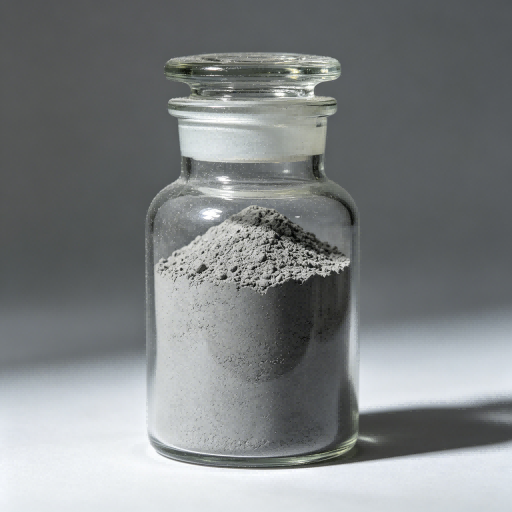
    In the field of gold mining and metallurgy, how to efficiently and cost-effectively "capture" gold and silver from cyanide solutions is the core factor that determines the overall profitability of a project. Among the various gold recovery methods, the Merrill–Crowe process stands out for its exceptionally high precipitation efficiency and mature industrial application, remaining the preferred choice for large-scale gold and silver mines worldwide.   This article takes you through the chemical principles of the Merrill–Crowe process and explains why high-purity zinc dust is the undisputed "heart" of this flowsheet.    What Is the Merrill–Crowe Process? In simple terms, the Merrill–Crowe process is a hydrometallurgical method that uses zinc dust cementation to precipitate precious metals (gold and silver) from alkaline cyanide solutions. Invented in the late 19th century by Charles Washington Merrill and Thomas B. Crowe, this process has stood the test of time for over a century, thanks to its stable operation and high recovery rates.   The basic flowsheet consists of the following key steps: 1. Clarification of Pregnant Solution: The gold-bearing solution (pregnant solution) from the leaching circuit is passed through filtration equipment to remove suspended solids, ensuring a clear solution.   2. Vacuum Deoxygenation: This is a critical step! Dissolved oxygen consumes zinc dust and reduces precipitation efficiency. Therefore, the solution must be deoxygenated in a vacuum deaerating tower.   3. Zinc Dust Addition and Cementation: High-purity zinc dust is precisely metered into the deoxygenated pregnant solution to initiate the displacement reaction.   4. Pressure Filtration and Recovery: The mixture containing gold and silver precipitates enters a plate-and-frame filter press, producing a high-grade gold sludge, which is then sent for refining.   The Core Chemistry: How Does Zinc Dust "Capture" Gold? The chemical foundation of the Merrill–Crowe process is an electrochemical displacement reaction. Because zinc is more reactive (more negative electrode potential) than gold and silver, zinc dust loses electrons to become zinc ions (Zn²⁺), while gold ions (Au⁺) or silver ions (Ag⁺) in the solution gain electrons and are reduced to metallic form, precipitating onto the zinc particles.   Main reaction equation (using gold as an example):Zn + 2NaAu(CN)₂ → Na₂Zn(CN)₄ + 2Au↓   However, actual production is not always this ideal. If zinc dust is of insufficient purity or has uneven particle size, side reactions (such as zinc reacting with water to produce hydrogen gas) can occur. This leads to a sharp increase in zinc consumption and may form colloidal substances that are difficult to filter.   The Key to Process Success: High-Performance Zinc Dust In the Merrill–Crowe flowsheet, the quality of zinc dust directly determines precious metal recovery rates, filtration efficiency, and overall operating costs. Not all zinc dust is suitable for this application. Zinc dust specifically engineered for this demanding process must possess the following characteristics:   1. High Purity (≥99% Total Zinc) Impurities—especially lead, iron, and cadmium—can create micro-galvanic cells on the zinc particle surface, increasing unnecessary zinc consumption. More importantly, low impurity content ensures a clean cementation reaction, preventing contaminants from interfering with subsequent gold sludge refining.   2. Consistent Particle Size Distribution (e.g., 325 Mesh Grade) Particles that are too large have low specific surface area, resulting in slow reaction rates and incomplete gold precipitation. Particles that are too fine, while reactive, tend to clog filter cloths and reduce filter press efficiency. A stable particle size distribution (e.g., 95% passing through a 45-micron sieve) is the key to balancing reaction kinetics and solid-liquid separation performance.   3. High Specific Surface Area and Reactivity Zinc dust produced via specialized atomization or distillation-condensation processes features a thin surface oxide layer and a porous microstructure. This morphology imparts high surface activity, significantly accelerating the kinetics of gold precipitation and ensuring complete precious metal recovery within a very short residence time.   4. Excellent Flowability In large-scale industrial automated dosing systems, the flowability of zinc dust determines the stability and accuracy of feed rates. Poor-flowing powders tend to bridge or clog feeding equipment, causing fluctuations in zinc addition and compromising recovery stability.   Technical Data Interpretation Taking the industry-leading AAB Group ZP 325G high-purity zinc dust as an example, its technical specifications tailored for the Merrill–Crowe process demonstrate the benchmark for quality zinc dust: Metallic Zinc ≥96.0%: High active content ensures strong displacement driving force. Residue on 45µm Sieve ≤0.05%: Strict compliance with the 325-mesh standard ensures neither gold loss nor filter cloth blockage. Lead, Iron, and Cadmium Content All ≤0.01%: Ultra-low impurity levels are the guarantee for producing high-purity gold sludge and simplifying the refining process.   If you are operating a Merrill–Crowe gold recovery circuit, now is the time to evaluate the quality and performance of your zinc dust. A small upgrade in reagent selection can deliver substantial gains in precious metal recovery, process stability, and operational profitability—making high-performance zinc dust one of the most cost-effective investments in your entire refining process.
  • Who Supplies High-Quality Nano Titanium Dioxide for Automotive & Metallic Paints?
    Who Supplies High-Quality Nano Titanium Dioxide for Automotive & Metallic Paints? May 06, 2026
    In 2021, several long-term clients in the automotive coatings industry approached us with a challenge: they wanted a high-end metallic nano titanium dioxide for their automotive paints, aiming to match the performance of leading global brands such as TAYCA (Japan) and Venator (USA).   Rising to the challenge, China AAB Industry Technology Group leveraged China’s complete and advanced industrial chain, supported by globally leading automotive metallic paint factories. Partnering with a top university in Nanjing, the company spent 5 years on research, development, and market testing, resulting in the launch of four high cost-performance nano titanium dioxide products: MT-5008HD, MT-7008HB, RM-2008H and RM-530L.     Key Features of Our Micro Titanium Dioxide 1. Distinctive Flip-Flop Effect Angle-dependent color variation: Delivers a flip-flop effect value of 10–35, producing noticeable color shifts at different viewing angles. Enhanced visual appeal: Imparts depth, texture, and a metallic luster to coatings, elevating product aesthetics and quality.   2. Superior Weather and Chemical Resistance & Durability Anti-chalking and extended lifespan: Resists chalking even after prolonged outdoor exposure, protects substrates, and extends coating service life beyond 10 years. Harsh environment resistance: Withstands UV radiation, moisture, temperature fluctuations, and other challenging conditions. Chemical and thermal stability: Rutile crystal structure ensures excellent resistance to acids, alkalis, chemical attack, and high-temperature processing.   3. Strong UV Shielding Capability High UV absorbance: Achieves UV absorption values from 1.0 to 4.0, effectively protecting against harmful radiation. Coating protection: Prevents yellowing, chalking, and cracking of resin binders caused by UV degradation.   4. Self-Cleaning Superhydrophilic surfaces: TiO₂ films prevent water droplet formation, allowing rainwater or cleaning to remove contaminants, keeping surfaces clean and clear.   5. Excellent Dispersibility Seamless integration: Narrow particle size distribution combined with Zr+Al inorganic surface treatment enables easy incorporation into various resin systems.     Why China AAB Industry Technology Group? Strength What It Means for You   Complete local industrial chain Stable supply, shorter lead times, and greater supply chain security   Automotive paint industry DNA Our technology is shaped by real-world requirements from leading metallic paint systems   University-backed R&D Five years of focused development with Nanjing-based academic partners   Four proven products Ready for automotive OEM, refinish, industrial coatings, and beyond     Conclusion As a professional manufacturer specializing in nano titanium dioxide, China AAB Industry Technology Group is redefining the global standard for high-performance, cost-effective micro- and nano-scale titanium dioxide. With distinctive optical effects, durability, UV protection, self-cleaning, and excellent dispersibility, AAB’s products have already passed rigorous customer validation and are now fully integrated into their production lines, proving their reliability and performance in real-world applications. This makes AAB the trusted and proven partner for the automotive coatings industry worldwide.
  • Why choose Nano Titanium Dioxide for Metallic Paints & Coatings?
    Why choose Nano Titanium Dioxide for Metallic Paints & Coatings? Apr 16, 2026
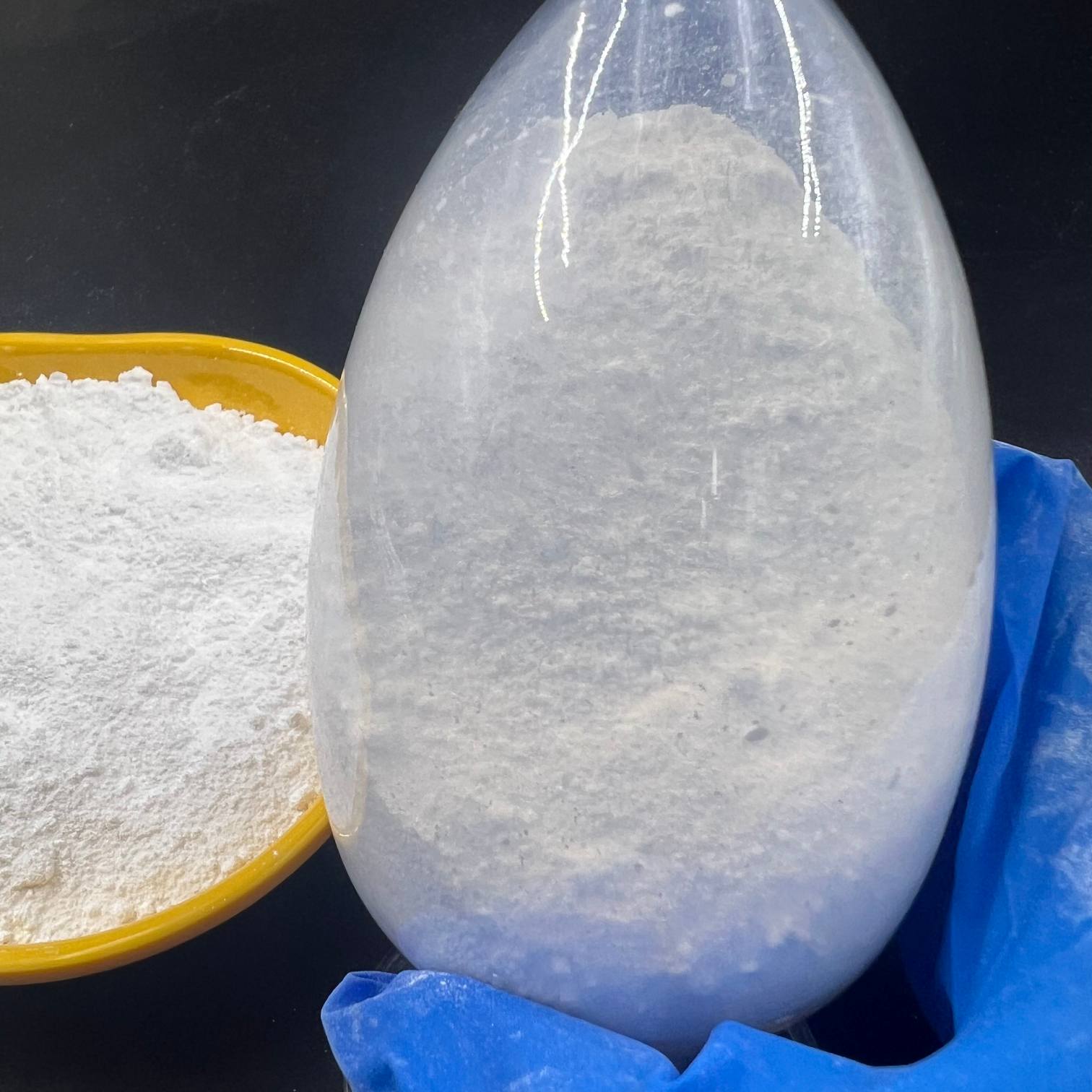
    Nano titanium dioxide (Nano TiO₂) is a form of titanium dioxide with particle sizes ranging from 1 to 100 nanometers. Its ultrafine particles give it unique optical, chemical, and functional properties, enabling applications in areas where conventional TiO₂ cannot meet the requirements. With advances in nanotechnology, surface modification, and composite processing, the applications of nano TiO₂ are continuously expanding—from everyday consumer products to high-end manufacturing and environmental protection. Due to its ultrafine particle size, photocatalytic activity, and high surface area, nano titanium dioxide is transitioning from a traditional pigment to a frontier functional material. Whether in environmental protection, new energy, or high-end manufacturing, nano TiO₂ demonstrates tremendous application potential. As technology matures and costs decrease, nano TiO₂ is expected to play an increasingly important role in industry, daily life, and scientific research.   Key Functions of Nano Titanium Dioxide Nano titanium dioxide (Nano TiO₂), with particle sizes below 100 nanometers, a high specific surface area, and a white loose powder appearance, possesses a wide range of functional applications. Its main functions can be summarized into eight categories: Antibacterial Function: Under ultraviolet light, nano TiO₂ generates reactive radicals that effectively kill bacteria and pathogens. It is widely used in water treatment, air purification, and antibacterial coatings for hospitals, operating rooms, and residential spaces, providing self-cleaning, anti-fouling, and deodorizing effects. UV Protection: Nano TiO₂ can absorb, reflect, and scatter ultraviolet rays while remaining transparent to visible light. It acts as a physical and chemical UV blocker in sunscreens, food packaging, coatings, and plastic fillers, offering stable, non-toxic protection.  Photocatalytic Function: Activated by light, nano TiO₂ decomposes organic pollutants such as formaldehyde and some inorganic substances, purifying air and surfaces, and enabling self-cleaning materials.  Anti-Fog and Self-Cleaning: TiO₂ films exhibit superhydrophilicity, preventing water droplet formation. Rainwater or cleaning can remove contaminants, keeping glass, ceramics, and tiles clean and clear.  New Energy Materials: In lithium-ion batteries and solar cells, nano TiO₂ improves capacity, charge/discharge performance, cycling stability, and photovoltaic conversion efficiency, while reducing costs and extending service life. Textile Sizing Replacement: Nano TiO₂ can replace traditional PVA sizing, enhancing yarn performance, reducing environmental impact, lowering production costs, and simplifying processing. High-End Automotive Coatings: When combined with metallic or pearlescent pigments, nano TiO₂ produces multi-angle color-changing effects, pearl luster, and metallic sheen, enhancing the visual quality of automotive paints. Other Functions: Nano TiO₂ can degrade certain plastics and harmful gases, offering potential in environmental purification and the development of high-performance composite materials.   Thanks to these versatile functions, nano titanium dioxide is transitioning from a traditional pigment to a functional material, with wide applications in protection, environmental sustainability, new energy, textiles, and high-end coatings. Its research and utilization continue to drive technological and industrial advancements. Applications of Kmeris® MT-5008HD Nano Titanium Dioxide in Industrial Coatings Kmeris® MT-5008HD is a high-performance nano titanium dioxide with ultra-fine particle size, large specific surface area, and a white loose powder appearance. It combines photocatalytic activity, UV resistance, and self-cleaning properties, making it ideal for high-end coating applications.   1. Automotive CoatingsIn automotive paints, MT-5008HD can be combined with metallic or pearlescent pigments to achieve multi-angle color-changing effects and pearlescent luster, enhancing the metallic sheen and depth of the car finish. Nano TiO₂ films exhibit strong superhydrophilicity and long-lasting stability under light, making them highly effective for anti-fog applications in automotive use. When applied to car side mirrors or windshields, moisture in the air does not condense into scattered droplets; instead, it forms a uniform water film. This prevents light scattering and maintains clear visibility, significantly enhancing driving safety.   Additionally, the photocatalytic properties of nano TiO₂ can decompose organic contaminants on vehicle surfaces, such as oil, dust, and bacteria. Under sunlight, these pollutants are oxidized into harmless CO₂ and H₂O and can be easily washed away by rain, achieving a self-cleaning effect.   This functionality is not limited to mirrors and windshields; it can also be applied to headlights, windows, and car paint surfaces, reducing cleaning frequency, lowering maintenance costs, and maintaining a bright, clean appearance. The anti-fog and self-cleaning properties of nano TiO₂ make it an ideal material for high-end automotive coatings and functional glass.   2. Metallic CoatingsMT-5008HD can be used in premium metallic paints, where it protects metal surfaces from photochemical oxidation and corrosion by scattering and absorbing UV light. Its ultra-fine particle size ensures smooth and uniform paint films, providing excellent visual effects and coating durability.   3. Architectural Exterior CoatingsIn building exterior paints, MT-5008HD forms UV-resistant, anti-fouling, and self-cleaning coatings. The photocatalytic activity of nano TiO₂ decomposes organic pollutants attached to the surface, which can then be washed away by rain, reducing maintenance costs and maintaining vibrant exterior colors over time.   4. Aircraft Skin PaintsAircraft coatings require exceptional durability and protection. MT-5008HD nano TiO₂ absorbs and scatters UV rays, reducing coating aging, enhancing surface wear resistance, and improving corrosion protection. Its photocatalytic self-cleaning function also helps maintain clean aircraft surfaces, lowering maintenance frequency and extending service life.   We warmly invite you to visit our factory to see our production capabilities firsthand and explore the high-quality applications of our products. For more detailed information about Kmeris® MT-5008HD Nano Titanium Dioxide or to discuss how it can meet your specific needs, please do not hesitate to contact us. We look forward to collaborating with you and helping you unlock the full potential of nano TiO₂ in your applications.

  • Nano Titanium Dioxide vs. Ordinary Titanium Dioxide: Which One Should You Go for?
    Nano Titanium Dioxide vs. Ordinary Titanium Dioxide: Which One Should You Go for? Apr 16, 2026
    Titanium dioxide (TiO₂) is a common white inorganic pigment widely used in coatings, plastics, cosmetics, and food. With the development of nanotechnology, Micro titanium dioxide (TiO₂) has emerged. Although both are chemically TiO₂, they differ significantly in structure, performance, and applications.   1. Particle Size and Structural Differences Conventional Titanium Dioxide: Particle size is usually above 200–300 nanometers, falling in the micron range. The larger particles have a relatively smaller surface area. Nano Titanium Dioxide: Particle size is usually below 100 nanometers, sometimes in the range of 10–50 nanometers. These extremely small particles have a greatly increased surface area, exhibiting pronounced nanoscale effects. This difference in particle size leads to notable variations in optical properties, chemical activity, and dispersibility.   2. Optical Performance Differences Opacity and Whiteness: Conventional TiO₂ provides excellent opacity due to its high refractive index and suitable particle size. Nano TiO₂ has slightly lower opacity because its particles are smaller than the wavelength of visible light, making it suitable for transparent or semi-transparent coatings. Optical Effects: Nano TiO₂ has strong photocatalytic activity under ultraviolet light and can effectively absorb and scatter UV rays, making it ideal for sunscreens and self-cleaning materials.   3. Chemical Activity and Functional Differences Conventional TiO₂: Chemically stable and unlikely to trigger photocatalytic reactions. Nano TiO₂: Due to its large surface area and abundant reactive sites, it readily generates free radicals under light. This makes it useful for self-cleaning coatings, air purification, and degradation of organic pollutants.However, this high activity may pose potential risks to organic materials or biological tissues, which is why surface modification (e.g., coating with silica or alumina) is often applied to reduce such risks. 4. Dispersibility and Processing Performance Conventional TiO₂: Larger particles tend to settle or agglomerate and require mechanical stirring or dispersants to maintain uniformity. Nano TiO₂: Small particle size and high surface energy make it easier to form stable dispersions, but it also tends to agglomerate, requiring surface treatment or dispersants to maintain even distribution.   5. Application Differences Feature Conventional TiO₂ Nano TiO₂ Opacity High Lower, suitable for transparent applications UV Absorption Moderate High, ideal for sunscreens and photocatalysis Photocatalytic Activity Low High, suitable for self-cleaning and environmental purification Cosmetics Mainly opaque coverage Sunscreens, transparent foundations Coatings Interior/exterior paints, plastic fillers Functional coatings, antibacterial coatings, photocatalytic coatings, Self-cleaning coatings   Although nano titanium dioxide and conventional titanium dioxide share the same origin, they have diverged into two distinct technological paths: one as a “pigment” and the other as a “functional material.” Understanding the fundamental differences between the two is the first step toward scientifically selecting materials and precisely developing products. With continuous advances in surface modification and composite technologies, the application prospects of nano titanium dioxide in environmental protection, new energy, and high-end manufacturing are becoming increasingly broad.

  • Carbon Black Dispersing Additive for Coating & ink
    Carbon Black Dispersing Additive for Coating & ink Mar 30, 2026
    High-pigment carbon black and organic pigments are notoriously difficult to disperse—a challenge that is especially common in high-end automotive and industrial coatings. This often leads to increased system viscosity, higher grinding costs, reduced storage stability, and even defects in the dry film such as hue deviation (e.g., reddish carbon black), floating, flooding, and gloss reduction. Our product offers an effective and reliable solution to these issues.   When dealing with high surface area carbon black and structurally complex organic pigments, dispersants often face a dilemma: they must reduce system viscosity while simultaneously maintaining color stability. To meet these demanding requirements, our KBS-6175 dispersing additive  features a unique polyurethane copolymer structure and provides a systematic solution. It is analogous to BYK-163 and EFKA-4063. It goes beyond traditional additive functionality by fundamentally restructuring pigment dispersion behavior through a dual stabilization mechanism combining steric hindrance and electrostatic repulsion.   How Does KBS-6175 to Achieve a Balance Between Viscosity Reduction and Color Stability?  1. Steric Hindrance BarrierLong-chain polymers form a robust three-dimensional protective layer on the pigment surface, acting like a physical scaffold that separates adjacent particles and effectively prevents flocculation and agglomeration caused by Brownian motion.   2. Electrostatic RepulsionUniform surface charges are imparted to pigment particles, creating a secondary “safety lock” through electrostatic repulsion. This ensures system stability even under high solid content or high shear conditions. This “physical + chemical” dual stabilization mechanism effectively resolves the common issue of co-flocculation in multi-component systems, laying a solid foundation for long-term storage stability of coatings. Why Choose Our KBS-6175? 1. Enhances Blackness QualityKBS-6175 is specifically designed for high-pigment carbon black. After dispersion, the black paste exhibits a clean, intense bluish undertone, eliminating the common reddish or yellowish hues found in the industry. This ensures precise color matching and high-end coating appearance.   2. Shortens Grinding Time and Production CycleKBS-6175 effectively reduces slurry viscosity during grinding, improving efficiency and speed. Under the same energy input, it enables higher output. It also supports high pigment loading formulations, shortening production cycles and delivering direct economic benefits.   3. Improves Gloss, Color Saturation, and TransparencyOnly fully dispersed pigments can deliver optimal performance. With KBS-6175, coatings show significant improvements in gloss, color saturation, transparency, and hiding power, resulting in richer and more durable color performance.   4. Broad Application CompatibilityKBS-6175 is highly compatible with two-component polyurethane (2K PU) systems and baking-curing systems. It performs reliably across automotive coatings, industrial anti-corrosion coatings, architectural coatings, and wood coatings, supporting the development of diverse product lines.   Choose our KBS-6175 to effectively solve your coating challenges such as difficult dispersion of high-pigment carbon black, poor stability of organic pigments, and issues like floating and flooding. Feel free to contact us for the TDS and application guidelines.
1 2 3

A total of3pages

Corporate Culture

Persisting on the operation concept of "Pursue honesty and quality at the same time, win hearts and profits together", the China AAB group’s people insist on the enterprise spirit of “environmental-friendly and continuous innovation, and dedicates service to all followers and customers around the world.” we have become long-term stable suppliers for many paint giants in the Europe, North American, the Middle East, Southeast Asia, Japan, South Korea and other countries and regions.
Read more
homepage

Need Help? Chat with us

Leave A Message
If you are interested in our products and want to know more details,please leave a message here,we will reply you as soon as we can.
Submit
Contact us #
+86 13951823978

home

products

whatsApp

Contact Us

Need Help? Chat with us

Start a Conversation

Hi! Click one of our members below to chat on